Heart disease is one of the leading causes of death worldwide. However, many heart conditions can be prevented or managed through healthy lifestyle choices, regular check-ups, and early treatment.
This guide explains everything you need to know about heart health, including how the heart works, common heart conditions, risk factors, warning signs, diagnosis, treatment, and practical ways to keep your heart healthy.
What Is Heart Health?
Heart health refers to how well your heart and blood vessels work. A healthy heart pumps blood efficiently, maintains a steady rhythm, and supplies enough oxygen-rich blood to meet your body's needs.
Good heart health depends on several factors, including:
- Normal blood pressure
- Healthy cholesterol levels
- Good blood sugar control
- Healthy body weight
- Regular physical activity
- A balanced diet
- Not smoking
- Getting enough sleep
- Managing stress
Keeping these factors under control reduces the risk of heart disease and helps the heart function properly throughout life.
How the Heart Works?
The National Heart, Lung, and Blood Institute defines the heart as a muscular organ about the size of your fist. It sits slightly to the left of the centre of your chest.
It has four chambers:
- Right atrium
- Right ventricle
- Left atrium
- Left ventricle
The right side of the heart receives blood low in oxygen from the body and pumps it to the lungs. In the lungs, the blood collects oxygen.
The left side receives oxygen-rich blood from the lungs and pumps it around the body through the arteries.
The heart also contains valves that keep blood flowing in the correct direction. An electrical system controls the heartbeat, allowing the heart to beat in a regular rhythm.
Why Heart Health Matters
A healthy heart allows every organ to work properly.
Poor heart health can reduce blood flow to important organs, increasing the risk of:
- Heart attack
- Stroke
- Kidney disease
- Vision problems
- Poor circulation
- Heart failure
- Reduced quality of life
Maintaining heart health also helps improve:
- Energy levels
- Physical fitness
- Brain function
- Healthy ageing
- Life expectancy
Common Heart Diseases
Coronary Heart Disease
According to the American Heart Association, coronary heart disease occurs when fatty deposits called plaque build up inside the coronary arteries. These arteries supply blood to the heart muscle. Over time, the arteries become narrower, reducing blood flow.
Symptoms may include:
- Chest pain (angina)
- Shortness of breath
- Fatigue
- Heart attack in severe cases
Heart Attack
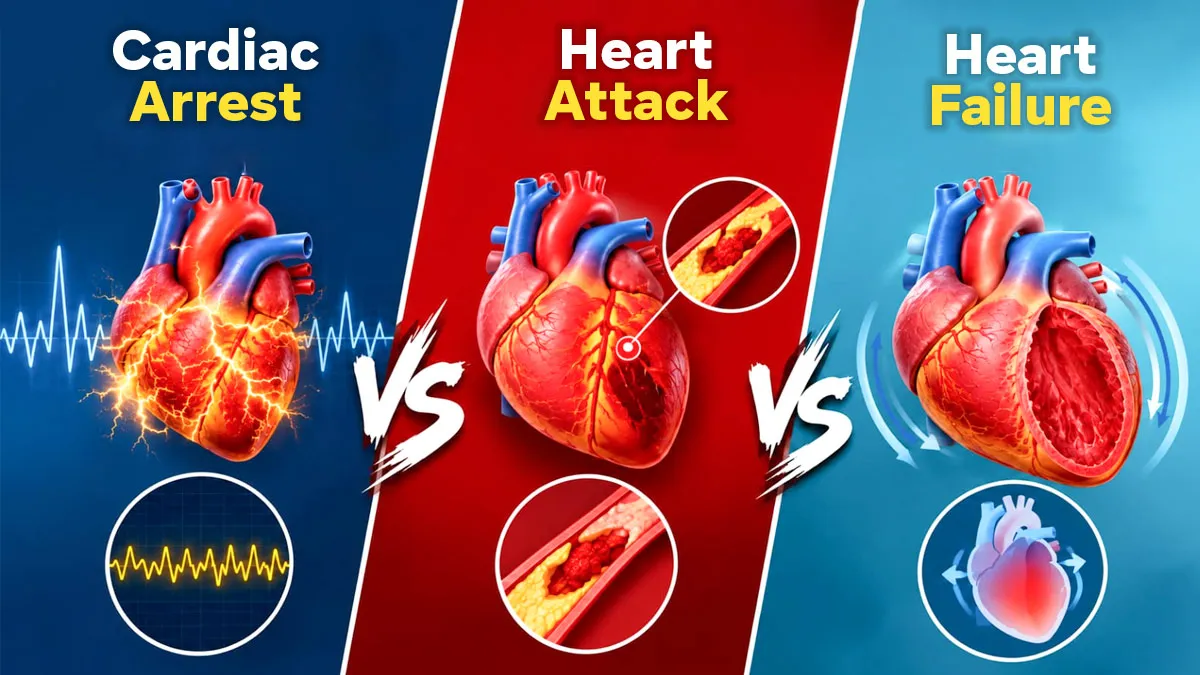
A heart attack happens when blood flow to part of the heart muscle becomes blocked.
Without enough oxygen, part of the heart muscle begins to die.
Common symptoms include:
- Chest pain or pressure
- Pain spreading to the arm, neck, jaw, shoulder, or back
- Shortness of breath
- Cold sweat
- Nausea
- Dizziness
A heart attack is a medical emergency and requires immediate treatment.
Heart Failure
The American Heart Association says that heart failure does not mean the heart has stopped working; it means the heart cannot pump blood as effectively as it should.
Symptoms include:
- Breathlessness
- Swollen ankles and feet
- Extreme tiredness
- Persistent cough
- Rapid heartbeat
Many people live well with heart failure through medicines and healthy lifestyle changes.
Arrhythmias
Arrhythmias are problems with the heart's rhythm. The heart may beat:
- Too fast
- Too slowly
- Irregularly
Some arrhythmias are harmless, while others increase the risk of stroke or sudden cardiac arrest. Symptoms include:
- Palpitations
- Dizziness
- Fainting
- Chest discomfort
- Breathlessness
Heart Valve Disease
Heart valves keep blood moving in the correct direction. If a valve becomes narrowed or leaks, the heart must work harder.
Symptoms include:
- Fatigue
- Breathlessness
- Chest discomfort
- Swollen ankles
- Heart murmurs
Risk Factors for Heart Disease
Some risk factors cannot be changed, while others can be improved. According to the Cureus Journal of Medical Science, here are risk factors for cardiovascular disease:
Non-Modifiable Risk Factors
- Age: The risk of heart disease increases with age.
- Family History: Having close relatives with heart disease increases your own risk.
- Sex: Men generally develop heart disease earlier than women, although the risk rises for women after menopause.
- Ethnicity: Some ethnic groups have a higher risk of heart disease due to a combination of genetic and lifestyle factors.
Modifiable Risk Factors
- High Blood Pressure: High blood pressure forces the heart to work harder and damages blood vessels over time. It is often called the silent killer because many people have no symptoms.
- High Cholesterol: Too much LDL (bad) cholesterol can build up inside arteries. HDL (good) cholesterol helps remove excess cholesterol from the bloodstream.
- Diabetes: High blood sugar damages blood vessels and greatly increases the risk of heart disease.
- Smoking: Smoking damages blood vessels, reduces oxygen in the blood, and increases blood pressure.
- Physical Inactivity: Regular movement helps lower blood pressure, improve circulation, control weight, reduce cholesterol, and improve heart function.
- Overweight and Obesity: Carrying excess body weight places extra strain on the heart.
- Unhealthy Diet: A poor diet can lead to obesity, raised cholesterol, and high blood pressure.
- Foods commonly linked to poor heart health include:
- Excess Alcohol: Drinking too much alcohol can contribute to irregular heart rhythms.
- Chronic Stress: Long-term stress can affect heart health by increasing blood pressure and heart rate.
Warning Signs You Should Never Ignore
Seek urgent medical attention if you experience the following signs of potential heart issues:
- Chest pain lasting several minutes
- Pain spreading to the jaw, neck, shoulder or arm
- Severe shortness of breath
- Sudden fainting
- Rapid or irregular heartbeat with dizziness
- Cold sweats
- Unexplained nausea with chest discomfort
Women, older adults and people with diabetes may experience less typical symptoms, such as unusual tiredness, indigestion, back pain or shortness of breath rather than severe chest pain.
How Heart Disease Is Diagnosed?
According to the World Heart Federation, doctors use your symptoms, medical history, and several tests to assess heart health.
Common tests include:
- Blood Pressure Measurement
- Blood Tests to measure cholesterol and blood sugar
- Heart damage markers
- Kidney function
- Electrocardiogram (ECG)
- Echocardiogram
- An ultrasound scan that shows heart size, heart valves, pumping strength, and blood flow
- Exercise Stress Test to assess how the heart performs during physical activity.
- CT or MRI Scan for detailed images of the heart and surrounding blood vessels.
- Coronary Angiography to identify narrowed or blocked coronary arteries.
Diet for Heart Health
A balanced diet is one of the most effective ways to protect your heart. Eating a variety of nutritious foods helps control blood pressure, cholesterol, blood sugar and body weight.
Foods to Eat More Often
Fruit and Vegetables
Aim for at least five portions a day. They provide vitamins, minerals, fibre and antioxidants that help protect the heart. Choose a variety of colours, such as:
- Leafy greens
- Berries
- Citrus fruits
- Tomatoes
- Carrots
- Peppers
- Broccoli
- Wholegrains
- Healthy Proteins
- Healthy Fats
- Low-Fat Dairy
Foods to Limit
Reduce your intake of:
- Processed meats
- Fried foods
- Fast food
- Sugary drinks
- Cakes and pastries
- Sweets
- Foods high in salt
- Butter and lard
- Foods containing trans fats
These foods may increase cholesterol, blood pressure, and the risk of heart disease.
Stay Hydrated
Water is the best drink for most people. Try to limit sugary drinks and energy drinks, which often contain large amounts of sugar.
Physical Activity and Exercise
Regular exercise strengthens the heart muscle and improves circulation.
Adults should aim for:
- At least 150 minutes of moderate-intensity exercise each week, or
- 75 minutes of vigorous exercise, plus
- Muscle-strengthening activities on at least two days each week.
NOTE: Always speak to your healthcare professional before starting a vigorous exercise programme if you have heart disease or other medical conditions.
Maintaining a Healthy Weight
Excess body fat makes the heart work harder.
Healthy weight management involves:
- Eating balanced meals
- Being physically active
- Watching portion sizes
- Limiting sugary snacks
- Avoiding crash diets
Even modest weight loss can improve blood pressure, cholesterol, and blood sugar levels.
Sleep and Heart Health
Sleep is essential for repairing the body and maintaining a healthy cardiovascular system. According to a study published in the AHA Journals, most adults need 7-9 hours of sleep each night.
To improve sleep:
- Keep a regular bedtime.
- Avoid caffeine late in the day.
- Reduce screen time before bed.
- Keep your bedroom quiet, cool and dark.
- Exercise during the day.
NOTE: People who snore heavily or stop breathing during sleep may have sleep apnoea, which should be assessed by a healthcare professional.
Heart Health at Different Ages
Children
Healthy habits begin early. Parents must encourage kids to:
- Active play
- Nutritious meals
- Limited sugary drinks
- Good sleep habits
Adults
Regular health checks become increasingly important. Focus on:
- Exercise
- Healthy eating
- Managing stress
- Maintaining a healthy weight
- Avoiding smoking
Older Adults
Age increases the risk of heart disease.
Regular monitoring of blood pressure, cholesterol, and diabetes becomes even more important.
Staying active can help maintain heart strength and independence.
Medical Procedures and Treatment for Heart Conditions
Some people may need procedures if medicines alone are not enough. These include:
- Angioplasty: A small balloon opens a narrowed artery, often followed by placement of a stent to keep it open.
- Coronary Artery Bypass Surgery: Healthy blood vessels are used to bypass blocked coronary arteries, improving blood flow to the heart.
- Pacemaker: A pacemaker helps control slow or irregular heart rhythms.
- Heart Valve Repair or Replacement: Damaged valves may be repaired or replaced to improve blood flow.
Preventing Heart Disease
Many cases of heart disease can be prevented by following healthy habits consistently. You must aim to:
- Eat a balanced diet.
- Stay physically active.
- Maintain a healthy weight.
- Do not smoke.
- Limit alcohol.
- Get enough sleep.
- Manage stress.
- Attend regular health checks.
- Take prescribed medicines.
- Know your family history.
Small lifestyle changes maintained over time often have the greatest impact.
What to Do During a Heart Attack
If you think someone is having a heart attack:
- Call your local emergency services immediately.
- Help the person sit comfortably.
- Loosen any tight clothing.
- Keep them calm.
- Do not allow them to drive themselves to hospital.
- If they become unconscious and stop breathing normally, begin CPR if you are trained to do so and follow emergency operator instructions.
NOTE: Quick treatment greatly improves the chance of survival and reduces damage to the heart.
Common Myths About Heart Health
Myth: Heart disease only affects older people.
Fact: It can develop at any age, although the risk increases with age.
Myth: Thin people cannot develop heart disease.
Fact: Anyone can develop heart disease, especially if they have other risk factors.
Myth: Chest pain is always severe during a heart attack.
Fact: Symptoms can be mild, especially in women, older adults and people with diabetes.
Myth: Exercise is dangerous for the heart.
Fact: Regular physical activity is one of the best ways to improve heart health for most people.
Myth: If you feel well, your heart must be healthy.
Fact: High blood pressure and high cholesterol often have no symptoms.
Final Word
Your heart works continuously throughout your life, making its health one of the most important aspects of your overall well-being. While factors such as age and family history cannot be changed, many of the biggest risks for heart disease are within your control.
Eating a balanced diet, staying active, maintaining a healthy weight, avoiding smoking, limiting alcohol, sleeping well, and managing stress all contribute to a stronger heart. Regular health checks can identify problems early, allowing treatment to begin before serious complications develop.
Looking after your heart is not about making perfect choices every day. It is about building healthy habits that you can maintain over the long term. Even small improvements made consistently can lower your risk of heart disease, help you feel better, and support a longer, healthier life.