The liver performs several important functions. It helps process nutrients, stores energy, produces proteins and substances needed by the body, and breaks down medicines and toxins. When excess fat accumulates, these functions can eventually be affected.
Fatty liver is becoming increasingly common, particularly alongside obesity, type 2 diabetes, and other metabolic conditions. However, having fatty liver does not necessarily mean that serious liver damage has already occurred. The condition can range from simple fat accumulation to advanced liver disease.
What Is Fatty Liver?
Fatty liver, also called hepatic steatosis, occurs when too much fat accumulates in liver cells.
According to the American Liver Foundation, there are two broad types of fatty liver disease.
Metabolic dysfunction-associated steatotic liver disease (MASLD) is linked mainly to metabolic risk factors such as excess body weight, insulin resistance, type 2 diabetes, and abnormal cholesterol or triglyceride levels. It was previously commonly called non-alcoholic fatty liver disease or NAFLD.
Alcohol-associated liver disease develops when regular or excessive alcohol consumption contributes to fat accumulation and liver injury.
A person can also have more than one factor contributing to liver damage. For example, metabolic risk factors and alcohol use may both affect the liver.
Why Does Fatty Liver Develop?
The liver processes fat and plays an important role in maintaining the body's energy balance.
Fat can build up when the amount entering or being produced by the liver becomes greater than the amount being used or removed.
One of the strongest risk factors is excess body weight, particularly excess fat around the abdomen.
Insulin resistance is another important factor. Insulin helps regulate blood glucose and energy storage. When the body's cells become less responsive to insulin, the body may produce more insulin and release more fatty acids into the bloodstream. This can contribute to fat accumulation in the liver.
According to a report published in the Journal of Obesity & Metabolic Syndrome, the other factors associated with fatty liver include:
- Type 2 diabetes
- High triglyceride levels
- Abnormal cholesterol levels
- High blood pressure
- Obesity
- Physical inactivity
- A diet high in refined carbohydrates, added sugars, and excess calories
- Certain medicines
- Rapid weight loss or severe malnutrition
- Some hormonal and metabolic conditions
Not everyone with fatty liver has obesity or diabetes. It can also occur in people who appear to have a healthy body weight, although their risk factors may be different.
Can Alcohol Cause Fatty Liver?
Yes. Regular excessive alcohol consumption can cause fat to accumulate in the liver.
Alcohol is processed mainly by the liver. During this process, substances are produced that can interfere with the way the liver handles fats. Continued excessive alcohol intake can cause inflammation and liver cell injury.
Alcohol-related fatty liver may improve when alcohol consumption is stopped, particularly before significant permanent damage develops.
It is important not to assume that someone with fatty liver has an alcohol-related condition. Metabolic fatty liver can occur in people who drink little or no alcohol.
What Are The Symptoms Of Fatty Liver?
One of the biggest challenges with fatty liver is that it often causes no obvious symptoms, particularly during its early stages.
Many people discover they have fatty liver during a routine health check, blood test, or abdominal scan carried out for another reason.
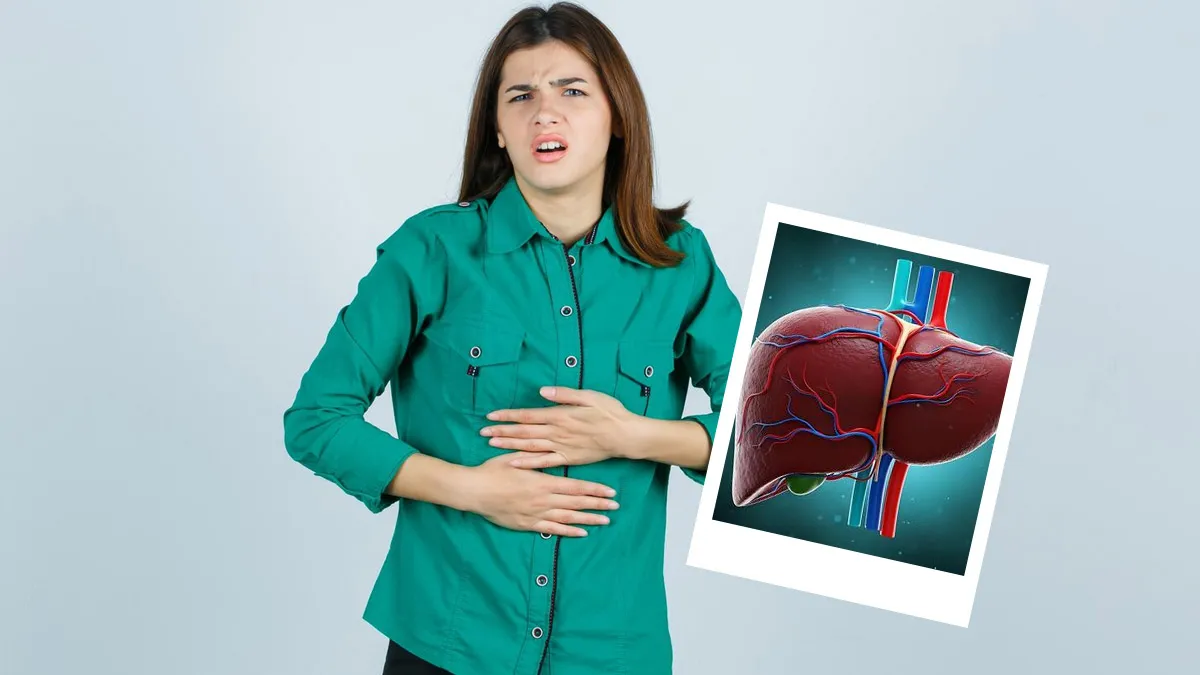
When symptoms do occur, they may be vague. These can include:
- Persistent tiredness
- A general feeling of being unwell
- Discomfort in the upper right side of the abdomen
- Reduced energy
- Occasionally, weakness
These symptoms are not specific to fatty liver and can occur with many other conditions.
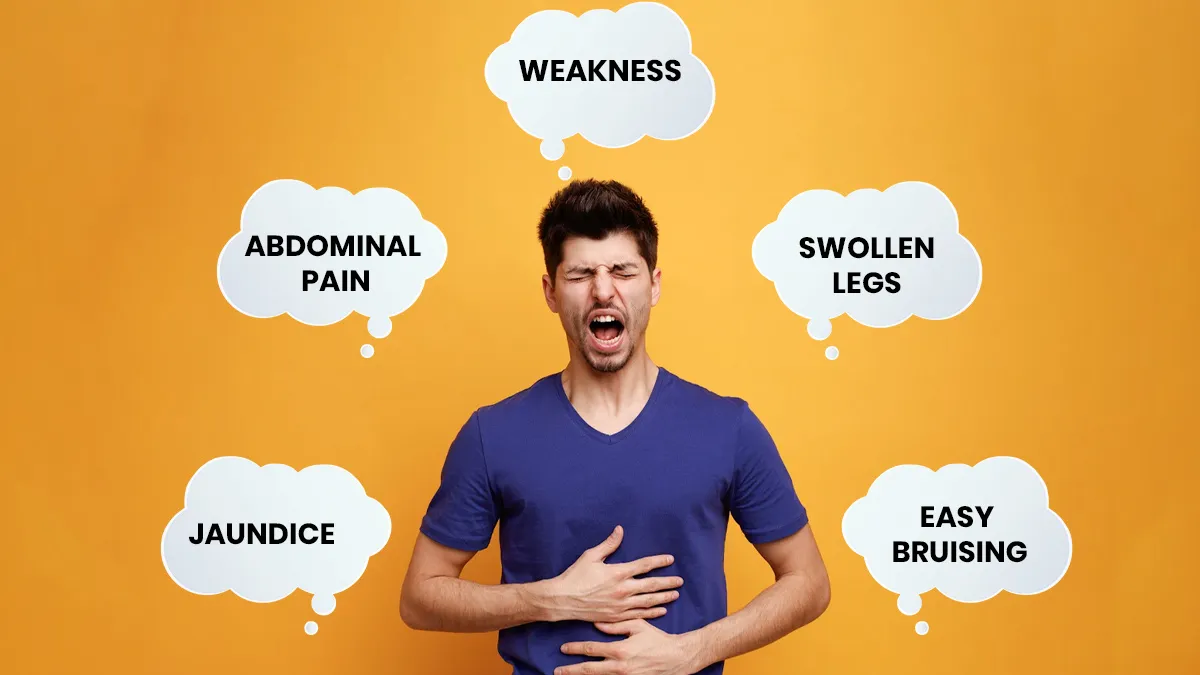
According to a review published in the journal 'BMC Endocrine Disorders', as liver disease becomes advanced, more noticeable symptoms can develop. These may include yellowing of the skin or whites of the eyes, swelling of the legs or abdomen, easy bruising, confusion, severe weakness and changes in urine or stool colour.
These are not typical signs of simple fatty liver and require medical assessment.
What Are The Stages Of Fatty Liver?
Fatty liver does not always progress to serious disease. However, some people develop increasing inflammation and scarring.
1. Simple steatosis
Also known as Grade 1 fatty Liver, in the earliest stage, excess fat accumulates in liver cells, but there may be little or no inflammation or damage.
Many people remain at this stage and may have no symptoms.
2. Steatohepatitis
Also known as Grade 2 fatty Liver, in some people, excess fat is accompanied by inflammation and liver cell injury. This can occur in metabolic fatty liver disease and is known as metabolic dysfunction-associated steatohepatitis, or MASH.
This stage is more concerning because ongoing inflammation can lead to scarring.
3. Fibrosis
According to a review published in the journal 'Frontiers in Pharmacology', repeated inflammation and injury can cause scar tissue to develop. This is called fibrosis.
The amount of fibrosis is important because increasing scarring raises the risk of complications.
4. Cirrhosis
Advanced fibrosis can progress to cirrhosis, in which extensive scar tissue changes the structure and function of the liver.
Cirrhosis can cause serious complications, including fluid accumulation, internal bleeding, liver failure, and an increased risk of liver cancer.
Not everyone with fatty liver progresses through all these stages. In many people, the condition can be stabilised or improved by addressing its underlying causes.
Can Fatty Liver Damage The Liver?
Yes, but the risk varies from person to person.
Simple fat accumulation does not always cause significant liver injury. The greater concern is persistent inflammation and fibrosis.
The progression of liver disease can take years, and some people develop significant fibrosis without experiencing symptoms.
This is why feeling well does not necessarily mean that fatty liver is harmless. Assessment of liver health should consider more than symptoms alone.
How Is Fatty Liver Diagnosed?
Doctors may suspect fatty liver based on medical history, risk factors, blood tests, or imaging.
Blood tests
Liver blood tests may measure enzymes such as alanine aminotransferase and aspartate aminotransferase. Abnormal results can indicate liver injury.
However, normal liver enzymes do not always rule out significant liver disease. This is why doctors may use additional assessments when someone has risk factors for progressive disease.
Ultrasound
An abdominal ultrasound can detect fat accumulation in the liver and is commonly used during assessment.
Other imaging techniques may provide more detailed information about the liver and the amount of scarring.
Fibrosis assessment
Doctors may use blood-based scores and specialised tests such as elastography to estimate liver stiffness. These methods can help identify people who may have significant fibrosis and need further assessment.
A liver biopsy is not required for everyone. In selected cases, it may be used when doctors need detailed information about inflammation, fibrosis, or another possible liver condition.
Can Fatty Liver Be Reversed?
In many people, especially during the earlier stages, fatty liver can improve.
There is no single medicine or quick treatment that removes liver fat overnight. The main approach is to address the factors causing fat accumulation and reduce the risk of further liver injury.
For people who are overweight or obese, gradual and sustained weight loss can significantly reduce liver fat and may improve inflammation and fibrosis.
Even a relatively modest reduction in body weight can be beneficial, while greater weight loss may provide greater liver benefits when it can be achieved safely and maintained.
Crash diets are not the answer. Rapid weight loss without medical supervision can create other health problems and is difficult to maintain.
What Should You Eat If You Have Fatty Liver?
There is no single fatty liver diet. The focus should be on an overall healthy eating pattern rather than one miracle food.
Choose more:
- Vegetables and fruits
- Whole grains
- Pulses, beans and lentils
- Nuts and seeds in appropriate portions
- Fish and other nutritious protein sources
- Foods containing healthy unsaturated fats
- Limit foods that are high in added sugars, refined carbohydrates, saturated fats and excess calories.
Sugary drinks deserve particular attention because they can provide large amounts of sugar without making you feel full. Frequent consumption of sweets, desserts, and highly processed foods can also make it harder to maintain a healthy calorie balance.
You do not necessarily need to completely remove carbohydrates or fats from your diet. The quality, quantity, and overall dietary pattern matter.
Is Exercise Important For Fatty Liver?
Yes. Physical activity is an important part of managing fatty liver.
Regular exercise can help improve insulin sensitivity, support weight management, and reduce liver fat. These benefits can occur even when there is little change in body weight.
A combination of aerobic activity, such as brisk walking, cycling or swimming, and muscle-strengthening exercises can be useful.
If you have been inactive for a long time, start gradually rather than trying to exercise intensely from the beginning.
The most effective exercise routine is one that you can maintain consistently.
What about tea, coffee and supplements?
There is ongoing research into the effects of foods and drinks such as coffee on liver health.
Some studies have linked regular coffee consumption with a lower risk of certain forms of chronic liver disease.
However, coffee is not a treatment for fatty liver, and adding large amounts of sugar or cream can work against overall dietary goals.
Be cautious about herbal remedies and supplements marketed as liver cleanses or fatty liver cures. Natural does not automatically mean safe. Some supplements can interact with medicines or even cause liver injury.
Always discuss supplements with a doctor, particularly if you already have liver disease.
Does Fatty Liver Increase The Risk Of Diabetes And Heart Disease?
Fatty liver is closely linked with metabolic health.
People with fatty liver often have insulin resistance, high blood pressure, abnormal cholesterol, or other factors that increase the risk of cardiovascular disease and type 2 diabetes.
For this reason, managing fatty liver is not only about protecting the liver. It also involves looking after the health of the heart and blood vessels.
Blood pressure, blood glucose, cholesterol, weight, diet and physical activity should all be considered as part of overall care.
Can Fatty Liver Lead To Liver Cancer?
Advanced chronic liver disease, particularly cirrhosis, increases the risk of hepatocellular carcinoma, the most common form of primary liver cancer.
The risk is much lower in people who have simple fatty liver without significant fibrosis.
People with advanced liver disease may therefore need regular monitoring as advised by their doctor.
Who Should Get Checked For Fatty Liver?
People with obesity, type 2 diabetes, abnormal cholesterol or triglyceride levels, high blood pressure or other metabolic risk factors may benefit from discussing liver health with their doctor.
A doctor may also recommend assessment if liver blood tests are repeatedly abnormal or if imaging has already shown excess liver fat.
The need for testing depends on individual risk factors and medical history.
Fatty Liver Prevention
Many of the steps that help manage fatty liver can also reduce the risk of developing it.
- Maintain a healthy weight
- Stay physically active
- Eat a balanced diet based mainly on minimally processed foods
- Limit excess sugar and highly processed foods
- Avoid excessive alcohol consumption
- Managing diabetes, blood pressure, and cholesterol is also important.
Small, consistent changes are generally more useful than short-term restrictive diets.
When To See a Doctor?
If you have been told that you have fatty liver, do not ignore the diagnosis simply because you feel well. Ask your doctor whether you need further assessment and how often your liver health should be monitored.
Seek medical advice if you develop persistent abdominal discomfort, unexplained fatigue, jaundice, swelling, unusual bruising or other new symptoms.
Urgent medical attention is particularly important for severe symptoms such as confusion, vomiting blood, black stools or significant abdominal swelling.
Final Word
Fatty liver is common and often develops without obvious symptoms. For many people, it remains at an early stage and can improve with appropriate lifestyle changes. For others, persistent inflammation can lead to fibrosis, cirrhosis and serious complications.
The most important step is to identify the cause and assess whether there is any liver scarring. A healthy diet, regular physical activity, gradual weight management, control of diabetes and cholesterol, and avoiding excessive alcohol can all help protect the liver. Fatty liver should not be viewed as simply a problem of excess fat in one organ. It can be a sign of wider metabolic health problems, making early assessment and long-term management important.