

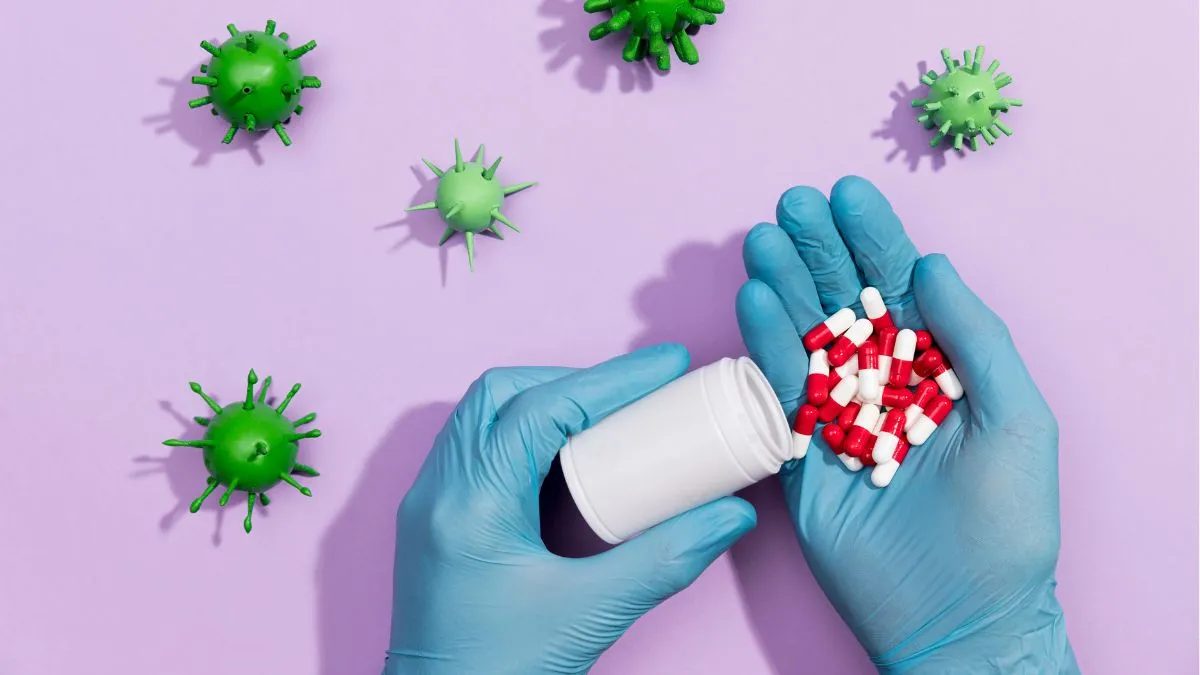
Antimicrobial resistance (AMR) has emerged as a global health crisis. It is a process that occurs over time as germs like viruses and bacteria undergo genetic changes that allow them to survive exposure to drugs designed to kill them. As this resistance grows, common infections are becoming increasingly difficult to treat. Over time, bacteria can become resistant to all available antibiotics, leaving patients with no treatment options. These resistant bacteria can also spread to others either in the healthcare setting or at home.
Table of Content:-
According to a Lancet study, AMR-related deaths have shifted significantly from children to adults, with deaths among those aged 70 and older increasing by more than 80%. By 2050, AMR is projected to cause up to 10 million deaths worldwide. With India expected to have over 300 million adults aged 60 and above by 2050, the threat to an aging population is especially severe.
4 Ways You Can Help Fight Antimicrobial Resistance
To help curb the rise of AMR, Dr Monalisa Sahu, Consultant Infectious Diseases at Yashoda Hospitals, Hyderabad suggests every individual can make a difference by adopting these four key habits:
#1 Know When Antibiotics Are Needed
Antibiotics have the power to save lives. They are important for treating common and serious bacterial infections. But they do not work against all types of infections. A PMC study shows that one of the most common misconceptions is that antibiotics can treat viral illnesses. This lack of knowledge about antibiotics leads to their inappropriate use and thus contributes to the rising AMR threat.
Also Read: WHO on Antibiotic Resistance: What Can Cause This And Steps To Combat
“In reality, antibiotics have no effect on viral infections such as flu, coronavirus, the common cold, coughs, and bronchitis, making their use for such illnesses unnecessary and ineffective. Taking these medicines for viral infections will not help you recover faster or feel better,” shares Dr Sahu.
“Antibiotics are only effective against infections caused by bacteria and even then not all of these infections need to be treated with them. For instance, many sinus infections and some ear infections can resolve on their own without antibiotics. You should take antibiotics only when prescribed by your doctor,” adds Dr Sahu.
#2 Use Antibiotics Responsibly
Antibiotics are among the most commonly used drugs but when used carelessly they can do more harm than good. Despite being prescription drugs, antibiotics are often sold over the counter in India and can be easily bought from pharmacies without a doctor’s prescription. This has led to their widespread and unnecessary use. This overuse of antibiotics drives the bacteria to mutate, leading to the development of AMR, shows a PMC study.
Also Read: Are Antibiotics and Medications Doing More Harm Than Good?
According to Dr Sahu,”Antibiotics should be used only when needed and as prescribed by the doctor. Never demand them if your doctor says they are unnecessary and avoid self-medication or using leftover antibiotics. Discuss with your doctor why the antibiotic is being prescribed, possible side effects of antibiotics, and how long you will need to take them. Make sure you are getting the right antibiotic, at the right dose, for the right amount of time.”
Both healthcare professionals and patients should ensure that antibiotics are prescribed only when they are needed.
#3 Talk To Your Doctor About Vaccinations
As per a research published in ScienceDirect, vaccination remains one of the most effective yet underutilised tools in the fight against AMR. By preventing vaccine-preventable diseases and their secondary infections, vaccinations significantly reduce the need for antibiotics thereby curbing the emergence and spread of resistant strains.
“Although antibiotics do not work against viruses, viral infections are one of the leading causes of antibiotic use. Vaccination against common viral infections such as flu can therefore play a crucial role in preventing such misuse, helping slow down the development of AMR,” shares Dr Sahu.
Vaccinations are not just for children. Infact, vaccination against flu has been shown to reduce antibiotic use among healthy adults by 28.1%. AMR-related deaths are notably high among older adults, and this burden continues to rise. Consult your doctor on vaccinations that you need to take.
ALSO READ- Can You Take Antibiotics for HMPV? Expert Shares Early Precautions For The Virus
#4 Practice Good Hygiene And Sanitation
We are regularly exposed to millions of germs. Maintaining proper hygiene and sanitation is essential to prevent infections and limit the spread of these germs, including antibiotic-resistant germs. Here are some tips suggested by Dr Sahu:
- Regular and thorough handwashing with soap and water can help fight harmful germs and prevent illnesses.
- When soap and water are unavailable, alcohol-based hand rubs can offer protection against infection.
- Always cover your mouth and nose with a tissue or your elbow, not your hands, when coughing or sneezing to help break the chain of infection.
- Safe food handling is equally important, as foods such as meat, fruits, and vegetables can become contaminated with bacteria.
- Practice four simple steps to ensure food safety at home: Clean, Separate, Cook, and Chill. Following these practices can help prevent foodborne illnesses that might otherwise require antibiotic treatment.
Final Word
With rising resistance to existing antimicrobials and a dried-up pipeline of new agents, implementing effective preventive measures to combat antimicrobial resistance (AMR) at an individual level has become more critical than ever. Adopting these four key habits can collectively reduce the risk of infections, minimise unnecessary antibiotic use, and help slow the emergence and spread of resistant microbes.
Also watch this video
FAQ
What is the antimicrobial resistance?
Antimicrobial resistance is the ability of microorganisms like viruses, bacteria and fungi to withstand the effect of drugs or medicines that are meant to destroy them.How does antimicrobial resistance affect health?
If you have developed resistance to any microorganism, you may experience prolonged sickness, higher chances of transmission and potential fatality in some cases.
How we keep this article up to date:
We work with experts and keep a close eye on the latest in health and wellness. Whenever there is a new research or helpful information, we update our articles with accurate and useful advice.
Current Version
Dec 03, 2025 18:47 IST
Published By : Chanchal Sengar