First IVF Cycle Failed? Fertility Specialists Explains Why It Happens and What Improves Your Next Attempt

There is nothing quite as sad as a negative outcome from IVF. You're now waiting, injecting and hoping and spending. Whether the next generation will have the same fate is a natural question to ask. So, if the first IVF cycle has failed, does the second fail?
No. Failure the first time doesn't mean failure the second time! Many couples are successful after the initial attempt and the first one provides doctors with information to help them treat the couple better in the future. This article offers expert advice from two fertility experts, as well as the findings from the big studies, and what you should consult your doctor about next.
Does a Failed First IVF Cycle Mean the Next One Will Fail?
Dr Lavanya Kiran, Director and Lead Consultant, Obstetrics, Gynaecology, KIMS Hospitals, Electronic City, Bengaluru says, "No. A failed first cycle does not decide what comes next. Many couples succeed in a later cycle, and the first attempt often gives doctors useful information to improve the next one."
Dr Rubina Pandit, Fertility Specialist, Nova IVF Fertility, Basveshwaranagar, Bengaluru, agrees. "A single unsuccessful cycle is not necessarily an indication that a couple cannot conceive through IVF."
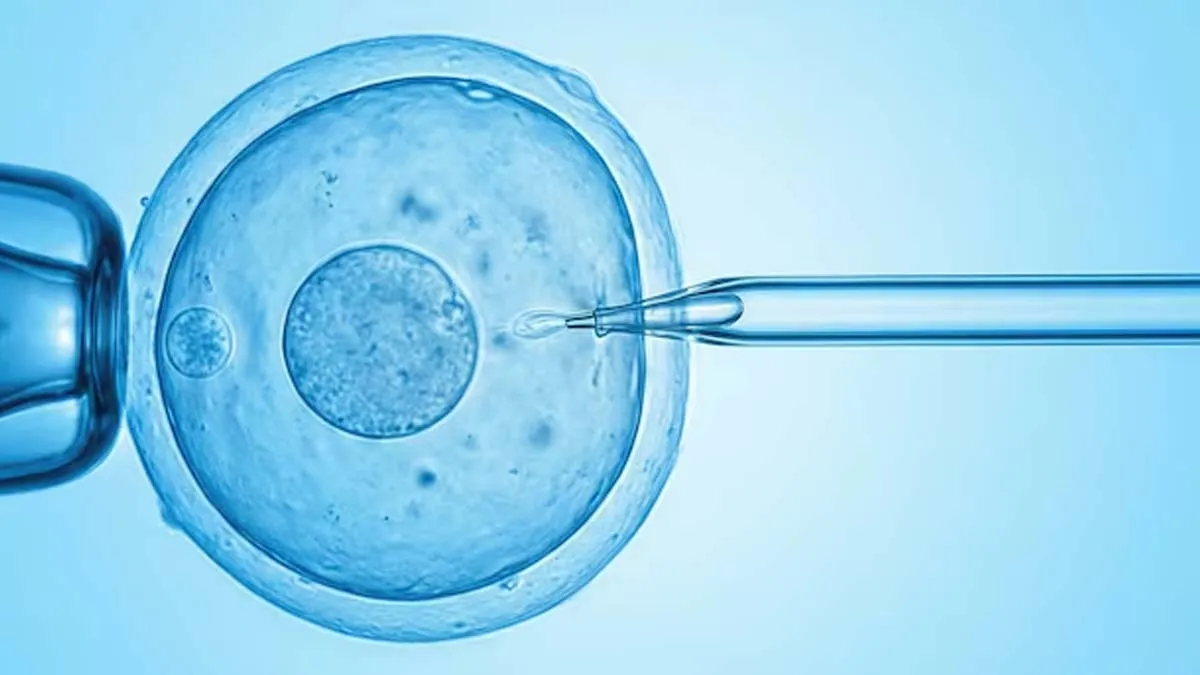
Why Do First IVF Cycles Fail?
Dr Kiran offers these are common reasons:
- Embryo chromosome errors. This is the most common reason. Errors like these occur randomly and do not necessarily reoccur in the same manner the next cycle.
- Implantation. The lining of the womb shall have to be prepared. When, how thick and the "womb" are important.
- Reproductive health and fertility (egg and sperm quality). Eggs are affected by age and sperm DNA damage can impact embryo growth.
- Response to stimulation. Some of the women react abnormally to the drugs.
- Other factors, such as womb problems, endometriosis or fluid in the tubes.
The outcomes are influenced by "a woman's age, ovarian reserve, the quality of her eggs and the quality of the man's sperm as well as the development of the embryo, the health of her uterus and her medical history," says Dr Pandit. She mentions that "not all cycles which fail have a known cause.”
Why Does a Failed Cycle Not Predict the Next One?
“Every cycle is creating new eggs and embryos and the quality of each is random – kind of like drawing from a bag each cycle,” says Dr Kiran.
“The first cycle is sort of like a test run.” IVF, says Dr Pandit. It is a process that relies on information gained from every attempt to make better treatment decisions.
A 2022 study in Human Reproduction used UK data from 49,314 women and 73,053 complete IVF cycles. It examined couples who were undertaking a second full cycle, 25.2 per cent of these second cycles resulted in a live birth.
Overall, 35.3 per cent experienced a live birth in cycles two to four. The first cycle had some impact: women that did not get pregnant in the first cycle were less likely than women who did get pregnant and have a live birth. Still, many succeeded.
What Happens After a Failed Cycle? How Doctors Review It
After being unsuccessful in a cycle, the first step is to know where a cycle might have encountered problems, says Dr Pandit.
- Less eggs than usual? Reassessment of stimulation plan and drug effect may be necessary.
- Low fertilisation? The quality of the sperm, maturity of the eggs and the type of fertilisation used can be examined.
- Embryos that aren't developing or implanting? The quality of the embryo and/or uterine condition assessed.
Dr Kiran recommends a review of the first cycle, which includes information about eggs, embryos and potential changes.
When Does Repeated IVF Failure Need a Closer Look?
If there are a few cycles after cycle that failed, or if the good embryos refuse to implant, physiologists might search for a cause, says Dr Kiran.
- A test of the embryos' chromosomes
- A scan or hysteroscopy check of the womb
- If applicable, conduct thyroid, blood clotting and/or immune tests.
- A test of sperm DNA fragmentation
Dr Pandit says tests should be conducted "when there is a particular clinical indication and not routinely repeating each test. Dr Kiran warns that there is mixed evidence for many of the "add-on" treatments and asks the reasons for offering a treatment and its cost.
What Can You Do to Improve Your Chances?
Dr Kiran explains that these are the steps he takes:
- Manage health problems and strive for a healthy weight.
- Give up smoking and reduce alcohol intake and it is for both partners
- Don't just test the female, test the male partner as well.
- Think of the woman's age, as time is important.
It is important to control thyroid disorders, diabetes or obesity if there is any condition, says Dr Pandit.
How Long Should You Wait Before the Next IVF Cycle?
Dr Pandit says, "The timing of when another cycle should be tried is individualised. Some couples can move forward quite soon while others may need more time to recover or more time to get evaluated.”
Dr Kiran agrees that couples should take time before the next attempt.
How Can You Cope Emotionally After a Failed IVF Cycle?
If a cycle is not successful, "it's a loss, and the grief is normal," Dr Kiran says. "Take time before trying again, and reach out to your partner, your family, or a counsellor.

Dr Pandit recommends a frank discussion of 'options available, chances of success and financial and emotional issues'. This assists couples to make informed choices about the next step.
When to See a Fertility Specialist
Dr Kiran recommends a visit to one:
- If the cycle has failed, to review the plan
- Once 2 or 3 cycles/transfers,
- If you have suffered from miscarriages, endometriosis or low egg reserves.
ALSO READ- Does A Man’s Age Matter In IVF? An Expert Explains The Impact On Sperm And Embryos
Conclusion
Dr Kiran says, "One failed IVF cycle does not mean the next will fail. Embryo quality is partly chance, and each cycle gives doctors information to adjust treatment." Dr Pandit adds that couples "should not interpret one failed cycle as a definitive prediction of future outcomes."
FAQ
1. Should you switch clinics after a failed IVF cycle?
Not always. First, ask your doctor to review the cycle in detail. A second opinion is reasonable if you feel your questions were not answered or the plan is unclear. Compare plans, costs and success rates by age group.2. Can frozen embryos be used if a fresh transfer fails?
Yes. If you have spare embryos, they can often be frozen and used in a later transfer. This spares you another round of stimulation and egg collection. Ask your clinic how many good embryos you have.
All possible measures have been taken to ensure accuracy, reliability, timeliness and authenticity of the information; however Onlymyhealth.com does not take any liability for the same. Using any information provided by the website is solely at the viewers’ discretion. In case of any medical exigencies/ persistent health issues, we advise you to seek a qualified medical practitioner before putting to use any advice/tips given by our team or any third party in form of answers/comments on the above mentioned website.
How we keep this article up to date:
We work with experts and keep a close eye on the latest in health and wellness. Whenever there is a new research or helpful information, we update our articles with accurate and useful advice.
-
Current Version
Nov 25, 2026 16:18 IST
Published By : Vivek Kumar