

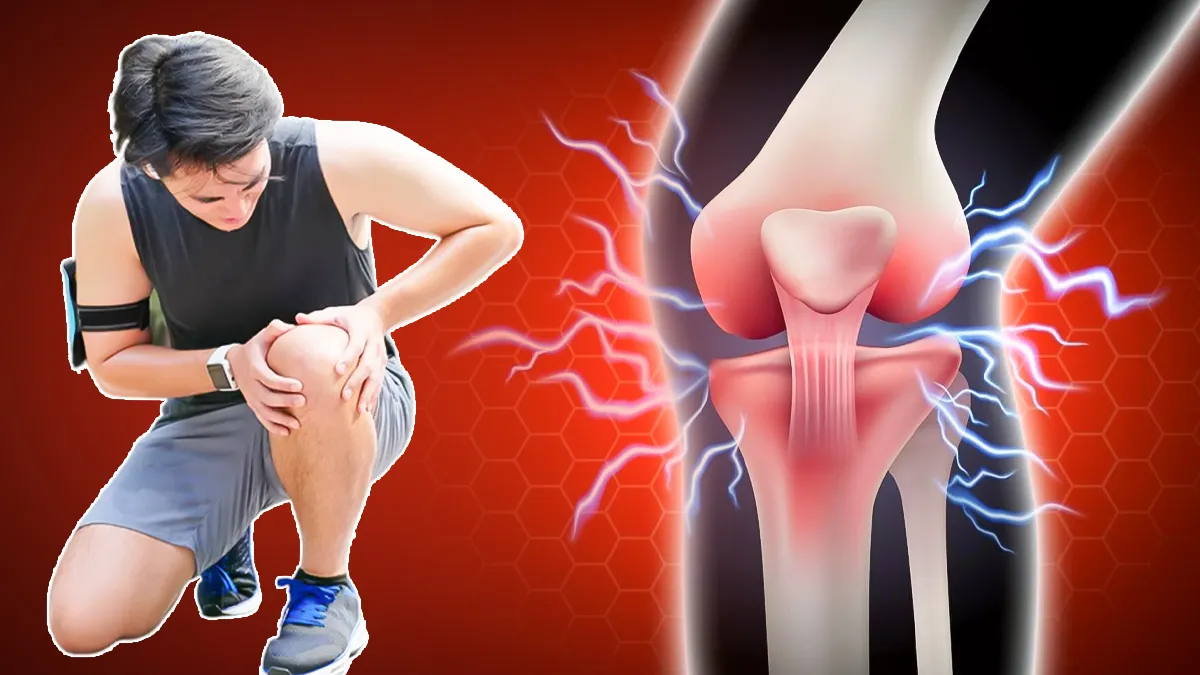
If you're in your early 30s and already deal with knee pain, you have landed on the right page. What was once considered a concern for people in their 40s and 50s is now increasingly showing up in younger adults, especially professionals with desk jobs, fitness enthusiasts, and people with sedentary lifestyles. But does this mean knee pain is the new normal for those in their 30s?
Table of Content:-
In an exclusive interaction with the editorial team of Onlymyhealth, Dr Narayan Hulse, Principal Director, Orthopaedics, Fortis Hospital, Bannerghatta Road, Bengaluru, shared, “Not quite, knee pain is becoming increasingly common among people in their 30s, but it should not be considered normal," he explained. He added that though age-related wear and tear usually occurs later in life, today's lifestyle patterns are placing early strain on the joints. Read ahead to know everything he shared with us.
Why Knee Pain Is Showing Up Earlier
The modern work routine, with long hours of sitting, is one of the biggest contributors according to Dr Hulse. "Long hours of sitting weaken important stabilising muscles. Poor posture, along with weak muscles and a lack of regular exercise, contribute to knee discomfort," he highlighted. The knees take on extra stress when the supporting muscles are not doing their work during normal movements. Here are a few other reasons:
1. Certain Workouts
But it's not just inactivity that's the culprit. Many fitness practices further increase the risk. These include high-intensity workouts, plyometrics, running, heavy squats, or HIIT done without proper warm-up, incorrect form, or sufficient recovery. All of this tends to overload the knee joint.
ALSO READ- Completing 10k Steps But Sitting For 10 Hours Straight? Expert Shares Why It’s Risky
2. Muscle Imbalance
Muscle imbalance is another silent culprit. If the thigh, hip or calf muscles are tight or underdeveloped, the knees take on most of the load. “When the thigh, hip, or calf muscles are weak or tight, the knee takes on more load when doing daily activities,” Dr Hulse shared.
3. Flat Feet
Even the mechanics of the feet play a role in this. Flat feet, improper footwear, or standing for long stretches all can alter leg alignment and put strain on the knees. For many people, all these little day-to-day habits add up to chronic pain.
4. Obesity
Another major risk factor is being overweight. Excess weight increases the pressure on knee joints with every step, accelerating cartilage wear. Over time, this can lead to early degenerative changes-even before most people realise anything is wrong.
5. Too Much Stress on Legs
Lastly, knee pain can also be caused due to long commutes, constant stair climbing, sudden bursts of activity on weekends, or erratic patterns of exercise.
ALSO READ- Rise in Heart Attacks Linked to High AQI—Doctors Sound Alarm
Red Flags to Watch Out For Knee Pain
Not all knee pain is harmless. Dr Hulse pointed to several warning signs that should raise red flags and warrant medical help. These include:
- Swelling or stiffness
- Clicking or popping sounds
- Pain while climbing stairs or squatting
- Discomfort following long periods of sitting
- Difficulty bending or straightening the knee
"Ignoring these symptoms may lead to long-term issues such as early osteoarthritis or patellofemoral pain syndrome," he warned.
How to Save Your Knees in Your 30s
Most early knee pain is reversible with lifestyle changes. Dr Hulse recommended. Here are some tips he shared:
- Strengthening the key muscular groups, especially the quadriceps, hamstrings, gluteals, and core
- Maintaining weight to reduce the load on the joints
- Maintaining physical activity through low-impact exercises, such as walking, cycling, or swimming
- Wearing proper shoes that support your arch and alignment
- Focus on warm-up, mobility, and good form while working out.
Bottomline
Knee pain in your 30s may be increasingly common, but it's not normal, and one can prevent it from becoming a lifelong problem with the right care.
Also watch this video
FAQ
1. Are knees supposed to hurt in your 30s?
No. While it is increasingly common, experts underline that it should not be considered normal and it very often relates to lifestyle-related strain.2. Can early knee pain lead to arthritis?
Yes, if neglected, because chronic inflammation or mechanical imbalance can lead to early osteoarthritis.3. What exercises help reduce knee pain?
Exercises that strengthen the quadriceps, hamstrings, glutes, and core are most beneficial, along with low-impact activities such as cycling or swimming.
How we keep this article up to date:
We work with experts and keep a close eye on the latest in health and wellness. Whenever there is a new research or helpful information, we update our articles with accurate and useful advice.
Current Version
Dec 06, 2025 15:05 IST
Published By : Tanya Srivastava