

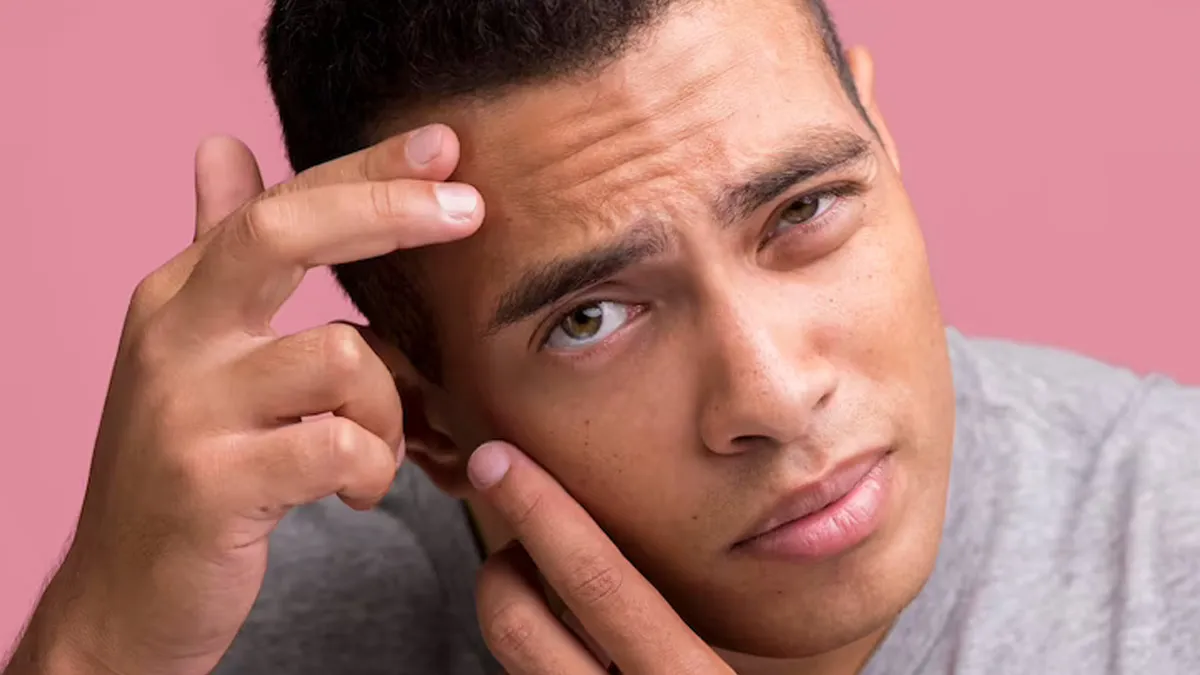
Scroll through social media and you'll find teenagers worried about fine lines, dullness and early hair thinning. The reels are full of terms like turbo ageing, tech neck, ozempic face, and anti-ageing products. What was once reserved for people in their 30s or 40s are now being purchased by teens. But why is Gen Z, a generation having access to the best information, products, and technology, ageing faster than ever?
Table of Content:-
To have our questions answered, we reached out to Dr Adithi Jain, Consultant, Dermatology at CK Birla Hospitals, Jaipur, and she explained that Gen Z is experiencing premature ageing because of chronic lifestyle stressors causing damage to their skin at a cellular level, and not due to genetic factors. Read ahead to know what's going wrong, how to reverse it, and everything Dr Jain shared with us.
Early Age Exposure to Chronic Stress and Burnout
The generation Z has been termed the burnout generation, with academic pressures, fluctuating job markets, meeting social expectations, and the pressure to be continually productive. Chronic stress heightens the levels of cortisol, which is a stress hormone. "Sustained cortisol spikes break down collagen and elastin, accelerating fine lines, acne flare-ups, and dullness," said Dr Jain.
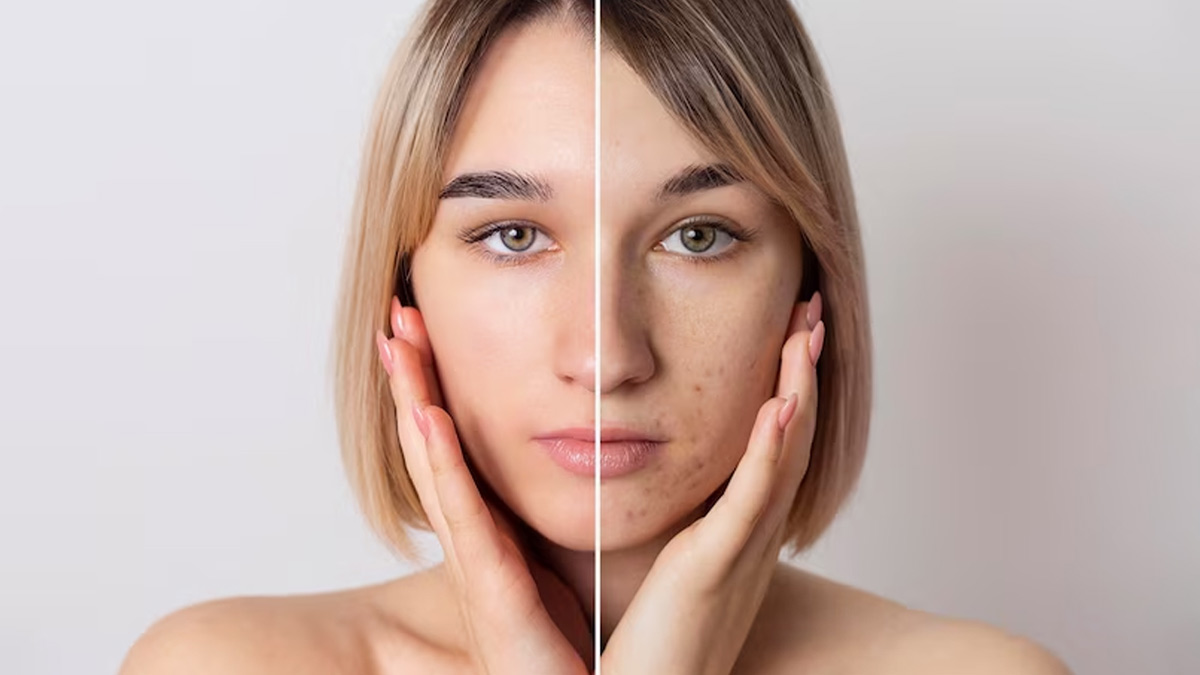
Additionally, irregular routines, caffeine-driven survival, and sleep deprivation, also tend to lead to early ageing.
Digital Ageing and Tech Neck
Gen Z spends an average of seven to nine hours a day on screens. In comparison, blue light from phones and laptops can penetrate into the skin deeper than UV light. Dr Jain emphasised, "Blue light causes oxidative stress, which breaks down collagen, leading to pigmentation and wrinkle formation. Constantly looking down also leads to:
- Deep neck lines (now seen in teens and young adults)
- Poor posture and jawline sagging.
- Eye strain and dark circles due to screen fatigue
Zero Sun Protection Mindset
Ask any Generation Z teenager if they use sunscreen daily, and the response for most is “only when I’m outdoors.” However, dermats and studies stress that indoor lighting and screen exposure can also lead to ageing of skin.
"UV rays are the cause of 80% of visible ageing, and using SPF daily is the single most effective anti-ageing step. Not wearing sunscreen invalidates the best skincare regimen there is,” shared Dr Jain.
Ultra-processed Food Diet
Convenience foods, energy drinks, sugary coffees, and late-night snacking make up the lifestyle of Gen Z. But processed foods trigger inflammation, weakening collagen and accelerating glycation, which is a process in which sugar attaches itself to proteins, making skin stiff, dull, and wrinkled. The signs include:
- Dullness
- Puffiness
- Breakouts
- Sallow skin tone
Poor Sleep and Sleep Quality
Gen Z sleeps less than any generation so far, sometimes just four to five hours instead of the recommended seven to nine. That's when the body repairs itself and manufactures collagen. No sleep and no repair means accelerated ageing. Additionally, lack of sleep directly causes:
- Dark circles
- Puffy eyes
- Premature lines/wrinkles
Also Read: Not Sure About Your Skin Type? Here’s How to Figure It Out and Build Your Go-To Routine

How Gen Z Can Reverse Premature Ageing
Dr Jain recommended focusing on these four non-negotiables. These include:
- Sunscreen daily (SPF 30 or above)
- Eight hours of sleep
- Balanced diet with hydration
- Minimal, barrier-focused skincare
- A simple routine consisting of cleanser, moisturiser, sunscreen (AM), and mild retinol (PM, three times a week)
Bottomline
Generation Z is not ageing due to time, they are ageing due to lifestyle. Experts suggest to slow down, protect your skin barrier, sleep better, and wear sunscreen daily.
Also watch this video
FAQ
1. Can blue light from screens really age the skin?
Yes, blue light accelerates pigmentation and breakdown of collagen, resulting in wrinkles and changes in skin tone.2. Is it safe for Gen Z to use retinol?
Yes, but under guidance and not before 18 without dermatologist recommendation. Overuse can damage the skin barrier.3. What's the most effective anti-ageing product for Gen Z?
Daily sunscreen prevents up to 80% of visible ageing.
How we keep this article up to date:
We work with experts and keep a close eye on the latest in health and wellness. Whenever there is a new research or helpful information, we update our articles with accurate and useful advice.
Current Version
Dec 08, 2025 11:35 IST
Published By : Tanya Srivastava