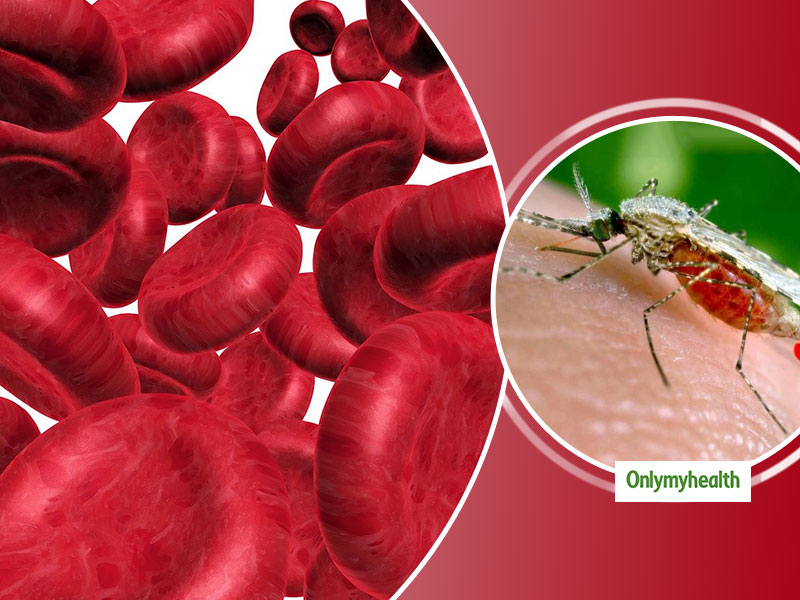
Anaemia is a condition in which the body does not have enough healthy red blood cells or enough haemoglobin to carry oxygen efficiently to tissues and organs. Haemoglobin is the iron-rich protein inside red blood cells that carries oxygen from the lungs around the body. When its levels fall, the body may struggle to get enough oxygen, leading to symptoms such as tiredness, weakness and breathlessness.
Anaemia is extremely common worldwide. According to the World Health Organization's latest estimates, 30.7% of women aged 15-49 had anaemia in 2023, while the figure was 35.5% among pregnant women.
However, anaemia is not a single disease. It can have many causes, ranging from nutritional deficiencies and blood loss to chronic illnesses and inherited blood disorders.
What Happens in Anaemia?
Red blood cells are produced mainly in the bone marrow. They contain haemoglobin, which binds to oxygen and transports it throughout the body.
When there are too few red blood cells, the cells are not functioning properly, or haemoglobin levels are too low, less oxygen reaches the body's tissues.
The body may initially compensate by making the heart pump faster and by increasing breathing. This is why some people with anaemia experience a rapid heartbeat or breathlessness, particularly during physical activity.
Mild anaemia may cause few or no noticeable symptoms. As anaemia becomes more severe, symptoms usually become more obvious.
Common Symptoms Of Anaemia
Symptoms depend on how severe the anaemia is, how quickly it develops, and what is causing it.
According to the World Health Organization, common symptoms of anaemia include:
- Persistent tiredness or lack of energy
- Weakness
- Pale skin
- Shortness of breath, particularly during activity
- Dizziness or light-headedness
- Headaches
- A fast or noticeable heartbeat
- Cold hands and feet
- Difficulty concentrating
- Reduced ability to exercise
- Sleep problems in some people
Iron deficiency can cause some additional symptoms, including brittle nails, hair loss, a sore tongue and restless legs. Some people develop ‘pica’, an unusual craving to eat non-food substances such as ice, clay or dirt.
Vitamin B12 deficiency can cause numbness or tingling in the hands and feet, muscle weakness, balance problems and changes in thinking or behaviour. These neurological symptoms require prompt medical attention because prolonged B12 deficiency can cause lasting nerve damage.
What Causes Anaemia?
There are three broad ways anaemia can develop: the body may not produce enough red blood cells, red blood cells may be destroyed too quickly, or blood may be lost.
1. Iron Deficiency
Iron deficiency is the most common nutritional cause of anaemia. The body needs iron to produce haemoglobin.
Iron deficiency can occur because of:
- Not getting enough iron through food
- Heavy menstrual bleeding
- Pregnancy, when the body's iron requirements increase
- Blood loss from the stomach or intestines
- Certain digestive conditions that reduce iron absorption
- Frequent blood donation
Slow internal bleeding can sometimes be caused by stomach ulcers, bowel conditions, polyps or cancers. Therefore, unexplained iron-deficiency anaemia should not simply be treated with iron tablets without investigating why iron levels have fallen.
2. Vitamin B12 Deficiency
Vitamin B12 is needed to make healthy red blood cells and maintain the nervous system.
A deficiency may develop because of a diet low in B12, particularly when someone does not consume animal products or fortified foods. However, diet is not the only cause.
Some people cannot absorb B12 properly because of pernicious anaemia, stomach or intestinal disorders, previous gastrointestinal surgery, or certain medicines. Conditions such as Crohn's disease and coeliac disease can also interfere with absorption.
3. Folate Deficiency
Folate, or vitamin B9, is another nutrient needed to produce healthy red blood cells.
Low folate can result from an inadequate diet, alcohol misuse, malabsorption or certain medicines. The body's folate stores are relatively limited, so regular dietary intake is important. Pregnancy also increases the body's requirement for folate.
4. Anaemia Linked To Chronic Disease
Long-term illnesses and inflammation can interfere with red blood cell production. Conditions associated with this type of anaemia include chronic kidney disease, inflammatory disorders, infections and some cancers.
In these cases, simply taking iron may not correct the anaemia because the underlying illness is contributing to the problem.
5. Blood Disorders And Inherited Conditions
Some forms of anaemia are inherited. Examples include sickle cell disease and thalassaemia.
These conditions affect the structure, production, or survival of red blood cells. They are different from nutritional anaemia and require specific medical management.
Other, less common causes include aplastic anaemia, in which the bone marrow does not produce enough blood cells, and haemolytic anaemia, in which red blood cells are destroyed faster than they can be replaced.
Who Is More Likely To Develop Anaemia?
According to the American Society of Hematology, certain groups have a higher risk of developing anaemia:
- Women who menstruate: Regular blood loss can gradually reduce iron stores, particularly when periods are heavy.
- Pregnant women: Blood volume increases during pregnancy, and the body needs additional iron and other nutrients to support the mother and developing baby.
- Children: Rapid growth increases nutritional requirements. Anaemia during childhood can affect development and learning.
- People following restrictive diets: A poorly planned diet can provide insufficient iron, B12 or folate.
- Older adults: Anaemia can occur because of nutritional deficiencies, chronic disease, kidney problems or hidden blood loss.
- People with digestive disorders: Conditions affecting the stomach or intestines can reduce the absorption of iron, B12 or folate.
- People with chronic illnesses: Kidney disease, inflammatory conditions and some cancers can contribute to anaemia.
How Is Anaemia Diagnosed?
Anaemia cannot be diagnosed reliably from symptoms alone because tiredness and breathlessness can have many causes.
A doctor usually starts with a complete blood count (CBC). This measures haemoglobin and other blood components and provides information about the number and characteristics of red blood cells.
If anaemia is detected, additional tests may be needed to determine the cause.
For suspected iron deficiency, doctors may check:
- Ferritin, which reflects stored iron
- Serum iron
- Transferrin or total iron-binding capacity
- Transferrin saturation
- Red blood cell size and appearance
- Vitamin B12 and folate levels may be tested when vitamin deficiency is suspected.
- Depending on the person's age, symptoms and medical history, doctors may also investigate blood loss, digestive problems, kidney function, inflammation or inherited blood disorders.
How Is Anaemia Treated?
Treatment depends entirely on the underlying cause.
Iron-deficiency anaemia
Doctors may recommend iron supplements along with treatment for whatever is causing the deficiency. Iron may be given as tablets or, in some situations, through a vein.
Iron tablets can cause side effects such as constipation and stomach discomfort. Treatment may need to continue for several months to replenish the body's iron stores, even after symptoms improve.
Importantly, do not take high-dose iron supplements simply because you feel tired. Excess iron can be harmful, and unexplained iron deficiency may need investigation for blood loss.
Vitamin B12 deficiency
Treatment may involve B12 tablets or injections, depending on the cause. People who cannot absorb B12 properly may need regular injections, sometimes long term.
Folate deficiency
Folate deficiency is usually treated with folic acid tablets and dietary changes. Doctors generally check B12 levels before starting folic acid because folic acid can improve the anaemia while allowing an underlying B12 deficiency to go untreated.
Anaemia caused by another disease
When anaemia results from kidney disease, inflammation, cancer, an inherited blood disorder or another condition, treatment focuses on the underlying problem. In severe cases, treatments can include medicines, intravenous therapies or blood transfusions, depending on the cause and severity.
What Should You Eat If You Have Anaemia?
A balanced diet can help prevent some forms of anaemia, although food alone may not correct moderate or severe anaemia.
According to the National Institutes of Health (NIH), good sources of iron include:
- Lentils and beans
- Chickpeas
- Green leafy vegetables
- Meat and poultry
- Fish and shellfish
- Iron-fortified cereals and grains
- Nuts and seeds
Vitamin C can improve the absorption of iron from plant foods. Include foods such as oranges, guava, tomatoes, peppers, strawberries and broccoli alongside iron-rich meals.
Good sources of vitamin B12 include meat, fish, eggs, milk and other dairy products. People following a vegan diet should pay particular attention to fortified foods or supplements where needed.
Folate is found in foods such as spinach and other green vegetables, broccoli, peas, chickpeas, beans and fortified grains.
Food choices should complement medical treatment rather than replace it when anaemia has already been diagnosed.
Anaemia During Pregnancy
Anaemia deserves particular attention during pregnancy because the body has increased nutritional demands.
Iron-deficiency anaemia is common during pregnancy, and untreated anaemia can increase the risk of complications for both mother and baby. WHO notes that anaemia during pregnancy is associated with adverse maternal and birth outcomes.
Pregnant women should follow their healthcare provider's advice about iron and folic acid supplements rather than starting or stopping supplements on their own.
Regular antenatal blood tests can help identify anaemia early.
Can Anaemia Be Prevented?
Not every type of anaemia can be prevented. Inherited blood disorders and anaemia caused by some chronic illnesses require different approaches.
However, some nutritional anaemias can be reduced by eating a varied diet containing adequate iron, B12 and folate.
Women with heavy periods should discuss excessive menstrual bleeding with a doctor rather than assuming that tiredness is normal. Children and pregnant women may also need screening and supplementation according to medical advice.
WHO emphasises that anaemia has multiple causes, including nutritional deficiencies, infections, chronic disease, blood loss, gynaecological and obstetric conditions and inherited blood disorders. This is why tackling anaemia requires more than simply increasing iron intake.
When To See a Doctor?
See a healthcare professional if you have persistent tiredness, unexplained weakness, breathlessness, dizziness, a racing heartbeat or other symptoms associated with anaemia.
You should seek urgent medical attention for severe breathlessness, chest pain, fainting, significant bleeding or symptoms that develop suddenly.
The most important point is that anaemia is a sign that something may be wrong, not simply a condition caused by eating too little iron. Finding the underlying cause is essential. While iron deficiency is common, anaemia can also result from vitamin deficiencies, chronic diseases, blood loss, inherited conditions and problems affecting the bone marrow.
With the correct diagnosis and treatment, many forms of anaemia can be effectively managed. The sooner the underlying cause is identified, the sooner appropriate treatment can begin.