$
Our comprehensive guide to the Ozempic 6 Week Weight Loss Plan will guide you step by step through the intricacies of the program, providing a clear roadmap of what to expect at each stage.
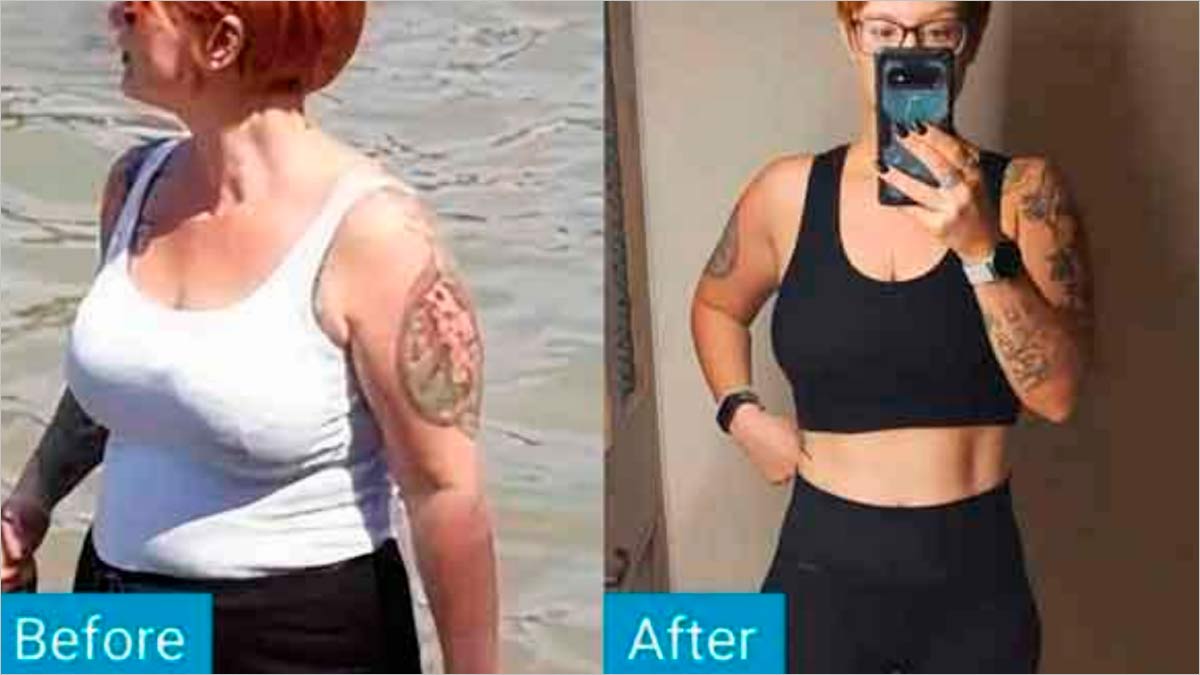
Alongside showcasing real results of Ozempic with before and after pictures, we delve into the advantages and potential drawbacks of the six-week Semaglutide plan.
For those seeking safer and more cost effective avenues, we offer insights into cheaper and safer natural alternatives that offer similar weight loss results. Welcome to a new chapter of health with Ozempic in 2024.
Natural Alternatives of Ozempic
Since its introduction to the market, Ozempic has been the subject of several controversies. A significant concern is its cost, amounting to hundreds of dollars per month. Additionally, there are numerous side effects that have emerged, some of which are quite severe; after all, it is a medication.
Another issue is the potential for weight gain after discontinuation of use, suggesting that it may require a lifetime commitment. This commitment can be daunting, particularly for a drug that not only comes with serious side effects but also carries a substantial financial burden.
For these reasons there are 2 natural weight loss alternatives that have emerged as the front runners for anyone wanting the weight loss results of Ozempic without the side effects and costs associated.
#1 - PhenQ - Natural Ozempic Alternative
CLICK to view PHENQ latest price and availability
PhenQ has emerged as the most effective natural alternative to prescription medications like Ozempic for weight loss.
PhenQ natural weight loss pills offer a multifaceted approach to weight management, combining ingredients that may help boost metabolism, enhance energy levels, and suppress appetite. Its formulation includes natural components such as α-Lacys Reset®, caffeine, and nopal cactus fiber, which are believed to support fat-burning processes and assist in reducing caloric intake.
PhenQ is available without prescription and has a 60 day money back guarantee if you feel the product isn't working - something that Ozempic does not offer! PhenQ is the closest thing to Ozempic weight loss pills.
#2 - Zotrim - Herbal Hunger Reducer

CLICK to view ZOTRIM latest price and availability
Zotrim is a herbal weight loss aid designed to help reduce hunger and control appetite. Its natural formula, featuring ingredients like yerba mate, guarana, and damiana, is crafted to assist in curbing cravings and promoting a feeling of fullness.
This can lead to a reduction in calorie intake and, when combined with a healthy diet and exercise, may contribute to sustainable weight management. Zotrim's user-friendly tablet form is an added benefit for those seeking a convenient and safer Ozempic alternative supplement to support their weight loss efforts.
Ozempic Before and After Results on the 6 Week Weight Loss Plan

Ozempic weight loss results and weight loss progress
Overview of Ozempic and its use in weight management
Ozempic, known generically as semaglutide, is a medication originally approved for the treatment of type 2 diabetes. It belongs to a class of drugs called glucagon-like peptide-1 (GLP-1) receptor agonists. In recent years, Ozempic has gained attention for its weight loss benefits, even among non-diabetics, due to its ability to regulate appetite and calorie intake.
As an adjunct to diet and exercise, Ozempic has been used to manage body weight by helping individuals feel fuller longer, eat less, and consequently lose weight. It is usually prescribed as part of a comprehensive weight management plan that includes lifestyle changes.
Brief explanation of the drug's mechanism of action
Ozempic functions by mimicking the effects of the hormone GLP-1, which is naturally secreted in response to food intake. GLP-1 has several actions that contribute to its weight loss effects:
- Appetite Suppression: It slows gastric emptying, which helps individuals feel full sooner and stay satiated for a longer period.
- Glucose Regulation: It increases insulin secretion and decreases glucagon secretion in a glucose-dependent manner, helping to control blood sugar levels.
- Reduction in Caloric Intake: By affecting appetite centers in the brain, it can lead to a natural reduction in caloric intake without the sensation of forced dieting.
Purpose of the 6 Week Ozempic Weight loss Plan
A 6-week weight loss plan with Ozempic weight loss drug is designed to:
- Kickstart weight loss in a controlled and medically supervised manner.
- Help individuals make significant lifestyle changes that can be sustained after the plan ends.
- Establish a pattern of healthy eating and regular exercise that complements the medication's effects.
- Allow for the assessment of the medication's effectiveness for losing weight and tolerance in individual patients.
The six-week duration is often a suitable period to see preliminary results, adjust dosages if necessary, and instill foundational habits for long-term weight management.
Related: Zepbound over the counter alternatives - which is best?
Week 1: Getting Started with Ozempic
Importance of Medical Supervision
Starting a new medication like Ozempic for weight loss is a medical decision that requires professional oversight for several reasons:
- Safety: A healthcare provider can ensure that Ozempic is appropriate for the patient's health status.
- Efficacy: Medical supervision can help determine if the patient is likely to benefit from the medication.
- Management of Other Conditions: A provider can coordinate the new medication with treatments for other conditions the patient may have.
Discussing Medical History and Weight Loss Goals with a Healthcare Provider
The first step in the Ozempic weight loss plan involves an in-depth conversation with a healthcare provider, which should cover:
- Medical History: A thorough review of past and current medical issues, including any history of thyroid disease, pancreatitis, or diabetic retinopathy, as Ozempic may not be suitable for patients with certain conditions.
- Medication Review: Discussion of current medications to identify potential drug interactions.
- Weight Loss History: Review of past attempts to lose weight to understand what has or hasn't worked for the patient in the past.
- Weight Loss Goals: Setting realistic and healthy weight loss targets to be achieved with Ozempic.
Understanding Potential Side Effects and How to Manage Them
Patients starting on the Ozempic 6-week weight loss plan should be educated about possible side effects, which can include:
- Gastrointestinal Issues: Nausea, vomiting, diarrhea, and constipation are common, especially when starting treatment.
- Hypoglycemia: Although less common in non-diabetics, Ozempic can still cause low blood sugar, especially if the patient is on other diabetes medications.
- Other Considerations: Rarely, more serious side effects like pancreatitis, kidney problems, or allergic reactions could occur.
Management strategies may include:
- Gradual Dose Escalation: Starting at a lower dose and gradually increasing can help minimize side effects.
- Dietary Adjustments: Eating smaller, more frequent meals and avoiding high-fat foods can reduce gastrointestinal symptoms.
- Hydration: Drinking plenty of water can help alleviate some side effects and is generally good for weight loss.
- Monitoring: Keeping track of any side effects and reporting them to the healthcare provider for assessment and management.
During this first week, patients will also learn how to properly administer Ozempic through subcutaneous injection, often starting at a lower dose to improve tolerability. They'll be advised on the best times to take the injection and how to store the medication.
Ozempic Plan Week 2: Monitoring and Managing Side Effects
Side Effects Awareness
Common Side Effects to Monitor
In week 2 of the Weight Loss Plan, patients may start to experience side effects as their bodies adjust to Ozempic. They should be vigilant for common side effects such as:
- Gastrointestinal Symptoms: Nausea, vomiting, diarrhea, abdominal pain, and constipation.
- Appetite Changes: Decreased appetite, which is a normal effect of the drug but should be monitored to ensure adequate nutrition.
- Injection Site Reactions: Redness, swelling, or pain at the site of injection.
When to Contact a Healthcare Provider
Patients should be instructed to contact their healthcare provider if they experience:
- Severe or Persistent Symptoms: If common side effects are intense or don't subside, indicating the body isn't adjusting well to the medication.
- Signs of Pancreatitis: Severe abdominal pain that may radiate to the back, which could indicate inflammation of the pancreas.
- Hypoglycemia Symptoms: If they feel shaky, sweaty, or experience sudden changes in vision or consciousness.
- Allergic Reactions: Signs of a serious allergic reaction include difficulty breathing, swelling of the face, lips, tongue, or throat.
Tracking Progress of Ozempic Results
How to Monitor Weight Loss and Other Health Metrics
Accurately monitoring progress can help patients and healthcare providers make informed decisions about continuing or adjusting treatment:
- Weigh Regularly: Weighing at the same time each day or week under consistent conditions can provide the most accurate reflection of weight loss.
- Measurements: Taking body measurements can show changes that are not reflected on the scale.
- Blood Pressure and Blood Sugar Levels: If applicable, monitor these metrics as Ozempic can affect them.
The Role of a Food and Symptom Diary
Keeping a detailed diary can be an invaluable tool:
- Track Food Intake: Helps ensure a balanced diet and can identify foods that exacerbate side effects.
- Record Symptoms: Noting when symptoms occur in relation to meals or medication can help with managing side effects.
- Monitor Physical Activity: Documenting exercise can help correlate it with weight loss and overall well-being.
- Reflect on Emotional Well-being: Recording mood and energy levels can help identify patterns and the overall impact of the weight loss plan.
This week is critical in adapting to the medication, learning to manage side effects, and establishing a reliable tracking system for ongoing progress and health metrics. It sets the stage for optimizing ozempic weight loss results
Week 3 on Ozempic Plan: Dosage Adjustment and Lifestyle Optimization
Evaluating the Dosage of Semaglutide
Potential Need for Dosage Adjustment Based on Initial Response
During the third week of the Ozempic weight loss plan, patients may need to evaluate the effectiveness and tolerability of their current dose. A healthcare provider might consider a dosage adjustment if:
- The patient is tolerating the medication well but not seeing the desired weight loss effects.
- The patient is experiencing manageable side effects that might diminish with a slight dosage change.
- The patient is experiencing severe side effects, indicating a need for a dosage reduction or discontinuation.
Enhancing Dietary Habits
Introducing More Specific Dietary Strategies to Complement Ozempic
With the appetite-reducing effects of Ozempic, patients can take the opportunity to introduce healthier eating habits:
- High-Fiber Foods: These can aid digestion and enhance satiety, helping to manage hunger and regulate blood sugar levels.
- Lean Proteins: Emphasizing lean protein sources can help maintain muscle mass, especially important in a calorie deficit.
- Low-Calorie Density Foods: Fruits and vegetables that are high in water and fiber content can fill you up with fewer calories.
Advancing Exercise Routine
Adjusting the Intensity and Duration of Workouts
Patients may now be ready to advance their physical activity by:
- Incremental Increases: Gradually elevating the intensity or duration of exercise sessions to avoid injury and build endurance.
- Strength Training: Incorporating resistance exercises to build muscle, which can increase resting metabolic rate.
By the end of Week 3 on the Ozepic weight loss plan, patients should be more comfortable with injecting semaglutide and have a clearer understanding of how their bodies are responding to the medication, and be more engaged with their lifestyle changes. Fine-tuning the dosage of Ozempic and solidifying dietary and exercise habits are key steps in establishing a sustainable path toward weight loss and better health.
Latest: Strongest OTC appetite suppressants in 2024
Ozempic Weight Loss Week 4: Setting Sustainable Habits
Long-Term Dietary Strategies
By week 4, patients should focus on establishing a sustainable eating pattern that can be maintained long-term:
- Variety: Incorporate a wide range of foods to provide different nutrients and prevent dietary boredom.
- Balance: Ensure each meal has a good balance of macronutrients—proteins, fats, and carbohydrates—and micronutrients (vitamins and minerals).
- Planning: Continue to plan meals and snacks to avoid impulsive decisions and maintain control over calorie intake.
Consistency in Physical Activity
Finding Motivation to Maintain Regular Exercise
Keeping up with regular physical activity requires finding personal motivation:
- Set Goals: Establish clear, achievable goals to provide direction and a sense of accomplishment.
- Routine: Make exercise a non-negotiable part of the daily routine, like brushing teeth or going to work.
- Enjoyment: Choose activities that are enjoyable to ensure they become a regular part of life.
Overcoming Plateaus and Staying Active
It's normal to encounter plateaus in any weight loss journey:
- Mix It Up: Change the exercise routine to challenge the body in new ways and break through plateaus.
- Intensity: Incorporate high-intensity interval training (HIIT) or increase the weights during strength training.
- Rest: Ensure adequate rest and recovery, as overtraining can lead to plateaus.
Managing Expectations and Staying Motivated
Keeping a positive and realistic outlook is essential:
- Set Realistic Goals: Understand that healthy weight loss is gradual. Aim for progress, not perfection.
- Celebrate Successes: Acknowledge and celebrate achievements, no matter how small they may seem.
- Adjust Goals: Be flexible and willing to adjust goals as needed based on health and lifestyle changes.
Week 4 is a pivotal time to reinforce the habits developed over the past weeks and ensure they are ingrained as part of a healthy lifestyle that complements the use of Ozempic. This will help patients maintain their weight loss journey and manage their weight long-term, even after reaching their initial weight loss goals.
Ozempic Plan Week 5: Preparing for Post-Ozempic Plan
Transition Strategies
Discussing the 6 Week Plan Ozempic Weight Loss Results
As the program nears its conclusion, it’s crucial to prepare for the next steps:
- Consult Healthcare Provider: Schedule an appointment to discuss the long-term use of Ozempic and whether it will continue to be part of the weight management plan.
- Weaning Off: If the decision is to stop using Ozempic, discuss the best practices for weaning off the medication to avoid rebound weight gain.
How to Maintain Weight Loss Without Ozempic
Maintaining weight loss post-Ozempic involves a commitment to the habits developed during the program:
- Continue Healthy Eating: Keep applying the dietary strategies learned, such as mindful eating and portion control.
- Increase Physical Activity: Without the medication's aid, it may be necessary to increase physical activity to maintain energy balance.
- Monitor Weight: Continue tracking weight and body measurements to catch and address any regain early.
Continuing Healthy Lifestyle Choices
The Importance of Sleep and Stress Management in Weight Loss
Addressing other lifestyle factors is essential for sustaining weight loss:
- Sleep: Aim for 7-9 hours of quality sleep per night, as poor sleep can affect hormones that regulate appetite and weight.
- Stress Management: High stress can lead to emotional eating and weight gain. Incorporate stress-reduction techniques such as yoga, meditation, or deep breathing exercises.
Week 5 of the Ozempic six week plan is about reinforcing the importance of continued commitment to a healthy lifestyle and planning for the future beyond the structured Ozempic weight loss plan.
Ozempic Week 6: Assessment and Future Planning
Before and After Results - Weight Loss Progress
Reviewing Weight Loss Achievements and Health Improvements
Now is the time to evaluate and appreciate the progress made:
- Weight Tracking: Compare the initial body weight to the current weight to assess total pounds lost.
- Health Markers: Review any improvements in blood pressure, blood sugar levels, cholesterol, or other health indicators.
- Personal Achievements: Reflect on any non-scale victories, such as better fitting clothes, increased energy levels, or improved mobility.
Understanding Body Composition Changes Beyond the Scale
Weight is not the only indicator of health:
- Body Fat Percentage: If available, review changes in body fat percentage for a more detailed assessment of body composition.
- Muscle Mass: Consider gains in muscle mass due to increased physical activity, which can affect overall body weight.
- Measurements: Take measurements of the waist, hips, and other areas to track changes in body shape.
Next Steps
Adjusting the Weight Loss Plan Based on the 6-Week Results
Use the data from the assessment to inform future actions:
- Dietary Adjustments: Based on the experience thus far, fine-tune the eating plan to maintain or improve results.
- Exercise Regimen: Decide whether to increase the intensity or variety of workouts.
- Medication: Discuss with the healthcare provider if continuing Ozempic is recommended and, if so, at what dosage.Feedback on Experience.
Testimonials and Sharing Success Stories
Sharing experiences can inspire others and reinforce personal success:
- Testimonials: Consider providing a testimonial to the healthcare provider or support group to discuss the benefits and challenges encountered during the plan.
- Community Sharing: Share success stories within the community, whether through social media, local groups, or with friends and family, to encourage and motivate others.
Week 6 is a critical time for both reflection and forward planning. It's an opportunity to celebrate the progress made and to leverage the experience gained to set a sustainable course for continued health and well-being. This final week is not just an end but also a beginning, as the patterns established during the program form the foundation for a healthier lifestyle moving forward.
Related article: Natural Wegovy alternatives available over the counter
FAQ
What is the Ozempic 6-Week Weight Loss Plan?
The Ozempic 6-Week Weight Loss Plan is a structured program that involves the administration of Ozempic. The plan includes regular Ozempic injections alongside a recommended diet and exercise routine.
How much weight can I expect to lose on the Ozempic 6-Week Weight Loss Plan?
The amount of weight loss on the Ozempic 6-Week Weight Loss Plan can vary significantly from person to person. Some individuals may see significant weight loss, while others may experience more modest results.
Can anyone start the Ozempic 6-Week Weight Loss Plan?
No, Ozempic is a prescription medication and is not suitable for everyone. It is primarily prescribed for individuals with type 2 diabetes and has been found to have weight loss benefits.
What are the potential side effects of using Ozempic for weight loss?
Common side effects of Ozempic include nausea, vomiting, diarrhea, stomach pain, and constipation. More serious but less common side effects can include changes in vision, kidney problems, pancreatitis and even thyroid cancer.
What happens after the 6-week plan ends?
After the 6-week plan, individuals should consult with their healthcare provider to assess their progress and discuss long-term weight management strategies. This may involve continuing Ozempic at a maintenance dose, adjusting diet and exercise plans, or exploring other weight management options.
Note- This article is written by Brand Desk.
All possible measures have been taken to ensure accuracy, reliability, timeliness and authenticity of the information; however Onlymyhealth.com does not take any liability for the same. Using any information provided by the website is solely at the viewers’ discretion. In case of any medical exigencies/ persistent health issues, we advise you to seek a qualified medical practitioner before putting to use any advice/tips given by our team or any third party in form of answers/comments on the above mentioned website.

How we keep this article up to date:
We work with experts and keep a close eye on the latest in health and wellness. Whenever there is a new research or helpful information, we update our articles with accurate and useful advice.
-
Current Version
Feb 23, 2024 12:08 IST
Modified By : Partner Content Feb 23, 2024 12:08 IST
Published By : Partner Content