

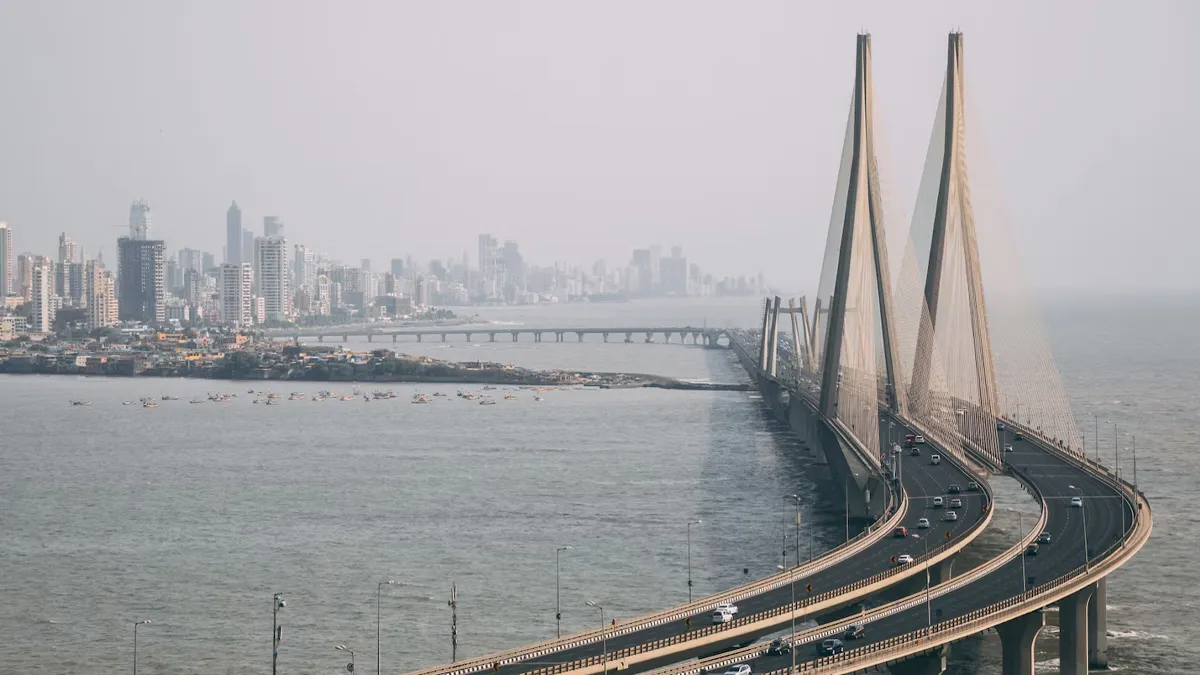
Delhi has found a new companion, when it comes to battling hazardous air pollution. The ‘city of dreams’ aka Mumbai is also witnessing deteriorating air quality, day by day. Recently, Grap-4 has been enforced in Mumbai after its AQI slipped to ‘severe’ category in some parts of the city. If you want to know more about it, keep reading.
Table of Content:-
To give us an insight into the risks associated with air pollution, the editorial team of OnlyMyHealth reached out to experts – Dr Manish Itolikar, Consultant – Internal Medicine, Fortis Hospital, Mulund, Mumbai and Dr Mihir Gangakhedkar, Consultant – Pulmonology, Fortis Hospital, Mulund, Mumbai. Read on.
Mumbai Air Pollution Dips To ‘Severe’ Category
Mumbai has now officially entered the highest stage of pollution control – Graded Response Action Plan (GRAP) Stage 4. The air quality in several parts of the city slipped into the ‘very poor’ and ‘severe’ categories. The country’s financial capital finds itself in such a situation for the very first time. As per reports, the AQI levels spiked in places such as Mazgaon, Deonar, Malad, Borivali East, Chakala–Andheri East, Navy Nagar, Powai, and Mulund. To curb the toxic air, the Brihanmumbai Municipal Corporation (BMC) has stopped all construction and dust-generating activities in multiple hotspots of the city.
‘Rise In Flu And Allergy Cases In Mumbai Amid Pollution’, Says Fortis Doctor
Mumbaikars have already started to face the consequences of the deteriorating air quality. Dr Itolikar mentions that there is a visible rise in lower respiratory tract infections. “This is because polluted air weakens the natural defences of the nose and lungs, making them more susceptible to viruses and bacteria,” he explains, adding, “Yes, there is a distinct rise in flu and allergy cases across outpatient departments. Pollution damages the mucosal barrier in the nose and lungs, making it easier for viruses to enter and harder for the body to fight them. This is why we see pollution surges and viral waves walking hand-in-hand every winter.”
The expert shares that when the AQI touches ‘very poor’ or ‘severe’ levels, the lungs are the first organ system to feel the impact. “Over the past few weeks, we are seeing a clear spike in respiratory complaints — particularly among children, senior citizens, asthmatics, and patients with COPD,” says Dr Itolikar, adding that the most common issues include:
- Persistent dry cough and throat irritation.
- Breathlessness even with mild exertion
- Chest tightness and wheezing episodes.
- Burning or itchy eyes and sinus congestion due to airborne particulate matter.
- Increased hospital visits for bronchitis-like symptoms.
“High particulate levels (PM2.5/PM10) behave like microscopic irritants that travel deep into the airways, triggering inflammation and bronchial hyper activity. For those who are already vulnerable, this can unmask latent conditions or worsen existing ones,” adds the expert.
On a separate note, Dr Itolikar explains that poor air quality has a whole-body impact and not just a respiratory one. The expert shares the following cases are being commonly observed of late:
- A noticeable uptick in viral fever, flu-like illnesses, bronchitis and allergic reactions, because the immune system becomes overwhelmed by continuous pollution exposure.
- Spike in sinusitis, allergic rhinitis, and headaches due to the irritant effect of pollutants on the upper airway.
- Increased fatigue, low energy, and brain fog, which many patients don’t initially associate with air pollution.
- More cases of allergies and eye irritation, as particulate matter settles on exposed areas of the body.
Also Read: An Expert Guide To Your Fertility Diet For Smoggy Months
Safety Tips To Protect Against Air Pollution
Dr Gangakhedkar shares that to safeguard lung health during GRAP-4 conditions, the approach must be proactive:
- Wear a well-fitted N95 mask whenever stepping outdoors, especially during peak traffic hours.
- Avoid morning walks or outdoor exercise, as pollution levels are highest early in the day. Choose indoor workouts instead.
- Keep windows closed during high-AQI hours and use exhausts/air purifiers where possible.
- Practice steam inhalation or saline nasal rinses to clear pollutants trapped in your nasal passages.
- Stay hydrated — water helps thin mucus and assists the body in flushing irritants.
- Asthma and COPD patients should not skip inhalers; keep rescue medication handy and follow their action plan strictly.
“A broader systemic protection plan is equally important”, adds Dr Gangakhedkar. He jots down some points for the same:
- Boost immunity with adequate sleep, a balanced diet, and timely flu vaccination — pollution weakens defences, making infections more likely.
- Avoid long outdoor commutes if possible; consider carpooling or public transport to reduce overall exposure.
- Take frequent breaks indoors if work requires extended outdoor activity.
- Increase intake of antioxidant-rich foods like citrus fruits, amla, green leafy vegetables, and nuts to help the body counter oxidative stress.
- Keep high-risk individuals indoors during severe AQI alerts — children, pregnant women, the elderly, and those with chronic illnesses should limit exposure as much as possible.
- Maintain cleanliness inside homes as pollutants cling to hair, clothes, and shoes; washing up after returning home reduces the overall exposure load.
Also Read: Wearable Air Purifier Vs Mask: Which One Is More Effective Against Air Pollution?
The Final Word
Mumbai has now officially entered the highest stage of pollution control – Graded Response Action Plan (GRAP) Stage 4. Mumbaikars have already started to face the consequences of the deteriorating air quality, as there is a visible rise in lower respiratory tract infections.
Also watch this video
FAQ
Is Mumbai AQI worse than Delhi?
Yes, according to recent data, Mumbai's air quality has been worse than Delhi's.Why is Mumbai AQI high?
A major contributor is the surge in construction across Mumbai, which has been continuously sending dust and coarse particles into the air.Which city in India has 0 to 50 AQI?
Some of the cities in India with an AQI between 0 and 50 include smaller towns and hill stations like Pelling (Sikkim), Almora (Uttarakhand), Gokarna (Karnataka), and Ziro Valley (Arunachal Pradesh).
How we keep this article up to date:
We work with experts and keep a close eye on the latest in health and wellness. Whenever there is a new research or helpful information, we update our articles with accurate and useful advice.
Current Version
Dec 01, 2025 15:37 IST
Published By : Shruti Das