



Stroke is no longer an emergency health issue that only affects older people. Doctors are reporting a surge in stroke cases concerning adults younger than 50, and the causes are not only the usual suspects like high blood pressure and diabetes. According to recent research, chronic sleep disorders, especially sleep apnoea, are the risk factors that have the most impact.
Table of Content:-
The same study suggests that not sleeping well not only makes you wearied the next day, but also has a link to stroke, often even earlier than expected. Read ahead to know more about the study and how to stay protected.
Ways in Which Sleep Apnoea Increases Stroke Risk
Obstructive Sleep Apnoea (OSA) has become one of the most powerful sleep-related parameters that predict the occurrence of stroke. OSA occurs when the airway gets completely blocked during sleep, resulting in short pauses in breathing. Thereby, the body temporarily goes through a state of oxygen deprivation, which leads to a rise in blood pressure and heart rate every so often during the night.
ALSO READ- 7 Effective Mental Health Tips You Should Take With You To 2026
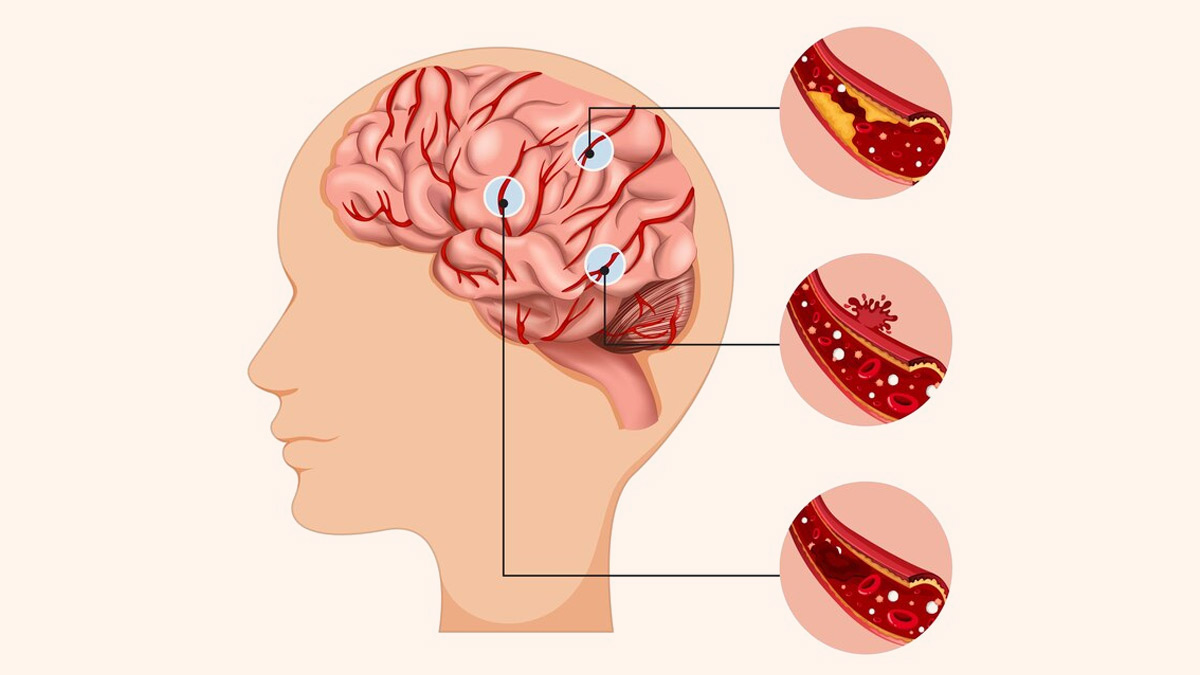
Research has proven that patients with moderate to severe sleep apnoea are up to 4 times more likely to suffer from ischemic strokes than people without the condition. The lack of oxygen causes inflammation as well as death of blood vessels and rapid progression of atherosclerosis, all of which are the conditions that stroke would thrive on.
What makes OSA particularly dangerous is that many people remain undiagnosed for years, mistaking loud snoring, morning headaches, or daytime fatigue as harmless inconveniences.
Other Sleep Disorders Linked to Stroke
Sleep apnoea is not the only disorder to consider. Researchers also marked other long-standing sleep issues that slowly but surely increase stroke risk. These include:
1. Chronic Insomnia
When insomnia is paired with consistently short sleep (less than six hours a night), the long-term impact can be serious. The research suggests that such people are 54% more likely to have a stroke within ten years. The heart and blood vessels suffer from the persistent release of stress hormones such as cortisol and the overactivity of the nervous system.
2. Circadian Rhythm Disorders
The people who have such conditions that disturb their internal clock are also those who have sleep phase syndrome or people not on regular sleep schedules (shift workers), linked to almost 1.8 times higher stroke risk. The poor fit between sleep and biological rhythms causes broken sleep, metabolic disorders, and the heart under increased stress due to the circulatory system.

Why Younger Adults Are More Vulnerable
The new lifestyles are making the younger ones especially prone to sleep-related risks. More usage of screens means more exposure of the eyes to blue light, leading to late-night melatonin suppression and thus delaying sleep onset. Moreover, the high stress, irregular work hours, night shifts, poor nutrition and lack of exercise are all factors upsetting sleep quality.
These habits, over time, lead to obesity, insulin resistance, and high blood pressure, the latter conditions that further cause and aggravate sleeping disorders and increase stroke risk at an earlier age.
How To Reduce the Stroke Risk: Prevention and Management
However, sleep-related stroke risk is largely under the control through timely action. These include:
- If you make loud noises while sleeping, suffer from excessive sleepiness during the day, or wake up with a throat blockage or gasping, then it is time to get yourself tested for sleep apnoea.
- A consistent sleep schedule will help your body clock to adapt more easily.
- At least one hour before sleep, stay away from the screens and use night-mode settings on your devices.
- Yoga, meditation, and breathing exercises can all help manage stress.
- Healthy lifestyle practices like losing weight, eating healthy, and exercising regularly need to be followed.
- Control medical conditions such as hypertension and diabetes that indirectly affect sleep and increase risks.
Bottomline
Sleep disorders, especially sleep apnoea, are emerging as major but overlooked stroke risk factors in younger adults. Medical experts suggest that it's important to treat sleep problems and practice good sleep habits, as these measures could protect one against premature strokes.
Also watch this video
How we keep this article up to date:
We work with experts and keep a close eye on the latest in health and wellness. Whenever there is a new research or helpful information, we update our articles with accurate and useful advice.
Current Version
Jan 03, 2026 18:45 IST
Published By : Tanya Srivastava