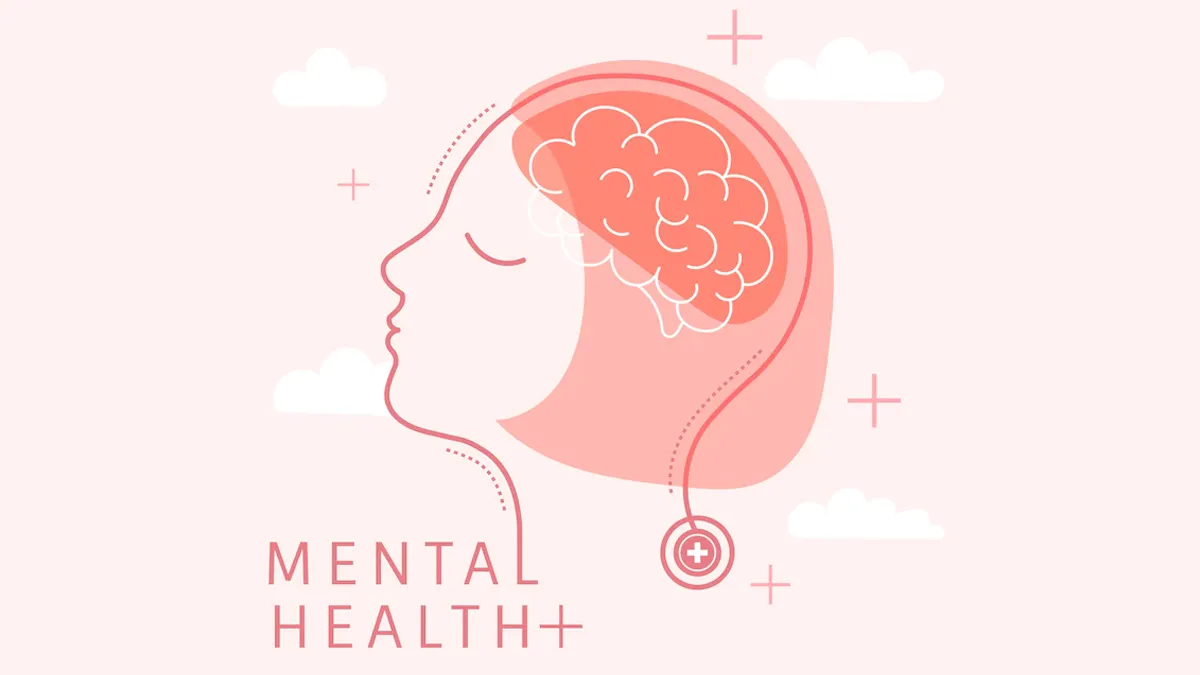
As the world moves faster with constant notifications, deadlines, and expectations, mental wellbeing is no longer optional, and has become essential. Mental health should be equally proioritised as physical health, it needs consistent care and conscious daily choices. According to experts, what helps is the implementation of the habits that follow.
As the year 2025 is coming to an end, the editorial team of Onlymyhealth, reached out to their expert, Dr Divya Shree K R, Consultant Psychiatrist, Aster CMI Hospital, Bengaluru, and she shared effective mental health tips worth carrying forward to the new year. Read ahead to find out.
Effective Mental Health Tips You Should Take With You to 2026
Here are seven expert-approved effective mental health tips you should take with you to 2026:
1. Emphasise the Importance
Sleep is the key to having good mental health. A poor sleep routine can influence mood, concentration, memory, and the ability to deal with stress. According to Dr Divya, "Adequate sleep is required for the brain's relaxation, management of emotions, and relief from the stressed situations faced on a daily basis."
“To ensure better sleep, one should sleep for seven to nine hours at night and should not expose themselves to any electronic device at night prior to sleeping,” she added.
ALSO READ- How Morning Sunlight Can Reset Your Body’s Master Clock
 anxiety
2. Establish Healthy Boundaries
Constantly saying yes can drain emotional energy and lead to burnout. Whether at work or at home, learning to set boundaries protects mental space. Additionally, its important to say no to things and situations, and it’s not being selfish. Learning to set some boundary helps you handle stress better.
3. Limit Screen Time and Social Media
Too much screen use or infinite scrolling on social media sites can raise anxiety levels, social comparisons, and burnout. Dr Divya suggested being conscious about the use of social media platforms. Create boundaries like setting limits on usage, taking breaks from social media sites, and not engage in doom scrolling activities. Healthy boundaries help you manage stress better and maintain control over your time and emotions.
4. Staying Physically Active
Physical activity is a great mood elevator. Fitness experts share that light activities like walking, stretching, or yoga help release endorphins and reduce stress hormones. This activity can help in reducing cortisol levels in the brain. Also, exercising is known to improve sleeping patterns, confidence levels, and emotional control.
5. Mindfulness or Deep Breathing Exercises
Mindfulness does not involve extended periods of meditation. Breathing for a few minutes can soothe the nervous system and relieve anxiety. “Mindfulness techniques such as emphasising your breath, body scan practices, and guided relaxation can work wonders for emotional regulation and sharpness of mind,” highlighted Dr Divya.
ALSO READ- Managing Blood Pressure In Winter: Why Cold Weather Can Worsen Hypertension
 anxious-man
6. Communicate Openly About Feelings
Suppressing emotions can lead to emotional overload. Dr Divya emphasised that its essential to share your thoughts and feelings with a person you trust. This person might be a friend, family member, or counselor. She shared, “Open conversations can prevent an emotional buildup and facilitate an emotional heal.”
7. Emphasize Progress, Not Perfection
Perfectionism can cause self-criticism and burnout. Rather than striving for perfect results, emphasize micro-progress. To become a stronger, more capable individual, practice self-acceptance and understand that growth is not a competition but a process.
Supporting Daily Habits that Matter
Along with these tips, Dr Divya also advised that in order to cope with a busy schedule, it is very important to eat proper meals, drink plenty of water, and take short breaks. Suppressing any symptom of strain in the mind can increase mental stress. Seeking help in that case can be a symbol of mental strength rather than weakness.
“As we begin 2026, it is important to understand that the choice to practice mental wellness on a daily basis can go a long way in keeping you calm, healthy, and balanced,” she concluded.
Bottomline
Mental health thrives on small, consistent habits. Experts highlight that prioritising sleep, boundaries, movement, and emotional openness can create lasting balance and resilience.
FAQ
1. How much sleep is required for quality mental health?
It is recommended that most adults aim to sleep for seven to nine hours every night.2. Do small lifestyle changes lead to an improvement in mental health?
Yes, consistent habits like movement, mindfulness, and healthy boundaries can significantly improve mental wellbeing over time.3. When should someone seek professional mental health support?
If symptoms like constant fatigue, irritability, or loss of interest persist, consulting a mental health professional is recommended.
All possible measures have been taken to ensure accuracy, reliability, timeliness and authenticity of the information; however Onlymyhealth.com does not take any liability for the same. Using any information provided by the website is solely at the viewers’ discretion. In case of any medical exigencies/ persistent health issues, we advise you to seek a qualified medical practitioner before putting to use any advice/tips given by our team or any third party in form of answers/comments on the above mentioned website.
How we keep this article up to date:
We work with experts and keep a close eye on the latest in health and wellness. Whenever there is a new research or helpful information, we update our articles with accurate and useful advice.
-
Current Version
Dec 25, 2025 10:10 IST
Modified By : Tanya Srivastava Dec 25, 2025 10:10 IST
Modified By : Tanya SrivastavaDec 25, 2025 10:10 IST
Modified By : Tanya SrivastavaDec 25, 2025 10:10 IST
Published By : Tanya Srivastava
Reviewed By : Dr Divya Shree K R