


When it comes to avoiding pregnancy, condoms are one of the most well-known and widely used methods. But what if you want to avoid pregnancy without using condoms? This question is common and important, especially for those who want natural options or alternative contraceptives. So, is it possible to avoid pregnancy without a condom and how safe are other methods?
Table of Content:-
To clarify, we spoke with Dr Pooja C Thukral, Associate Director – Department of Obstetrics and Gynaecology, Cloudnine Group of Hospitals, Faridabad, who explains the real limitations and options.
Why There Is No 100% Natural Guarantee![]()

Dr Pooja Thukral starts by addressing a common misconception: “How can I avoid pregnancy 100% naturally? So, there is no natural method where you can avoid pregnancy in 100% of cases.”
She explains several natural methods:
- The withdrawal method (pulling out before ejaculation)
- Lactational amenorrhoea (having intercourse while fully breastfeeding in the first 6 months postpartum)
- Tracking your menstrual cycle to avoid sex during ovulation
“None of these methods are 100% protective,” Dr Thukral emphasises. She adds that natural family planning techniques can reduce the chance of pregnancy, but don’t fully eliminate it. Being careful and informed is key, but relying solely on natural methods carries a higher risk of unintended pregnancy.
ALSO READ: Turning 30 and Not Ready for Pregnancy? THIS Simple Blood Test Can Help You Plan Your Fertility
How Likely Is Pregnancy Without a Condom?![]()
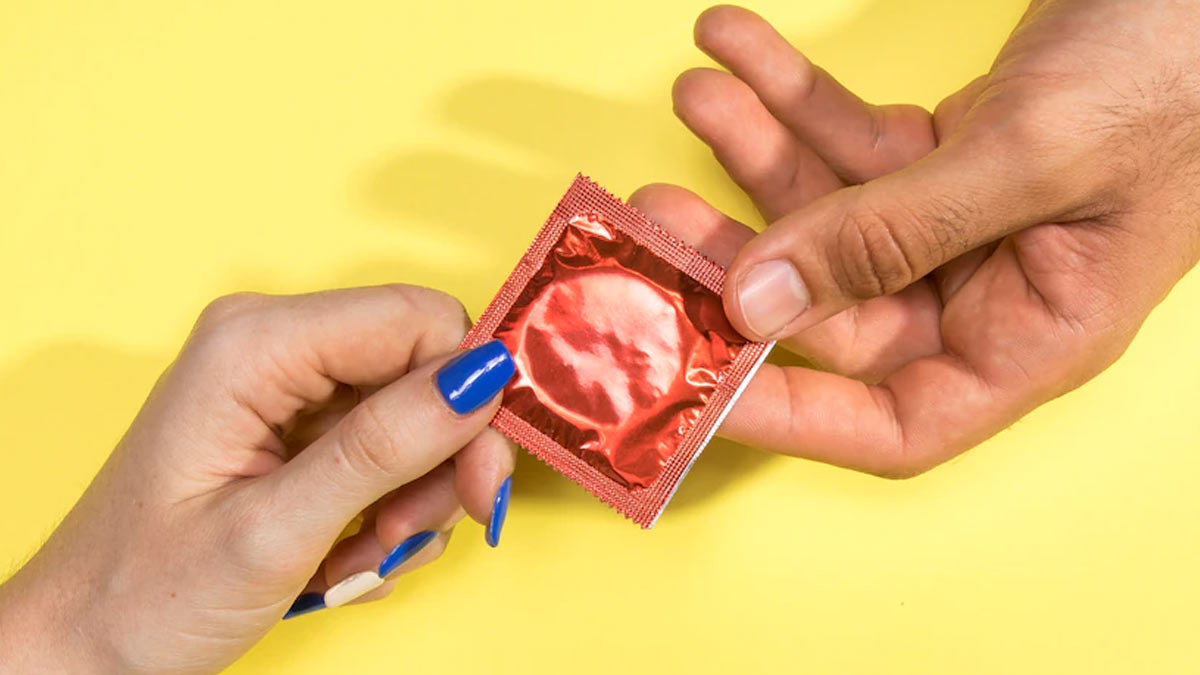
Many wonder, “How hard is it to get pregnant without a condom?” Dr Thukral clarifies, “A single act of unprotected intercourse does not guarantee pregnancy. However, having sex before or during ovulation carries a 20 to 40% chance of pregnancy.”
This underlines the importance of understanding your cycle and timing, especially if you want to avoid pregnancy. It also explains why using backup contraception in addition to natural methods is often recommended for better protection.
Contraceptive Methods You Can Control
If you want to avoid pregnancy and don’t want to rely on condoms, Dr Thukral suggests other options that you can manage yourself:
- Oral contraceptive pills taken daily
- Injectable contraceptives are administered every three months
- Intrauterine Devices (IUDs), which can be copper-based or hormonal and last from 3 to 5 years
“These methods offer reliable protection and are self-controlled,” she says. Choosing the right contraceptive depends on your health, lifestyle, and family planning goals, so consulting a healthcare provider is crucial.
According to the WHO’s family planning summary, contraceptive methods included in their guidelines are rigorously tested for safety and effectiveness. Additionally, data from a global review shows that natural or traditional methods like withdrawal and periodic abstinence tend to have much higher failure (pregnancy) rates, often 17–19 per 100 users per year under typical use.
When It’s Riskier and What to Watch For
Some situations raise the risk further:
- Irregular cycles make ovulation timing unreliable
- Missing pills or injections
- Drug interactions that reduce hormonal efficacy
- Medical conditions (e.g. gastrointestinal issues) interfering with absorption
- Inconsistent checkups or medical follow-up
The Way Forward: How to Reduce Risk![]()
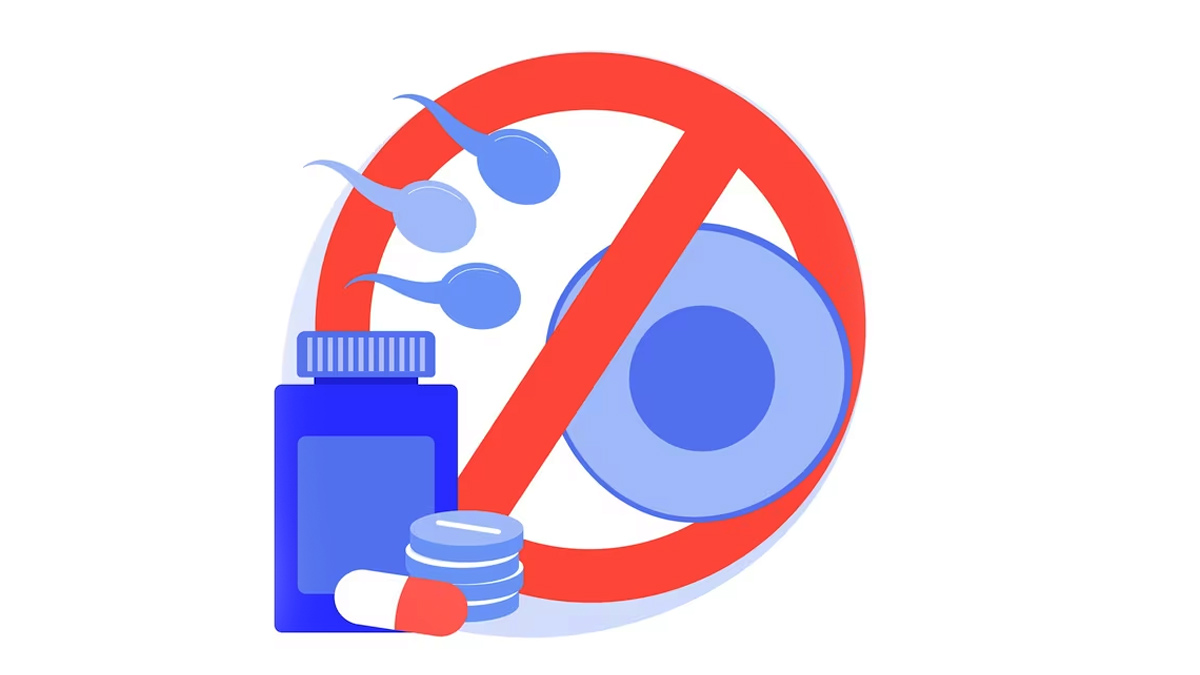
If you choose not to use condoms, these steps help lower the chance of unintended pregnancy:
- Choose a reliable contraceptive method like an IUD, an implant, or an injection
- Be consistent and never miss a dose or skip checkups
- Use fertility awareness only as support, not your sole method
- Consult a gynaecologist regularly to monitor side effects or interactions
- Consider dual methods (e.g., condom + pill) if STI protection is needed
ALSO READ: How Long After Pregnancy Does The Breasts Hurt? Expert Shares Management Tips
Conclusion
While skipping condoms is possible, it leaves a bigger responsibility on you and your partner to use alternative contraception reliably. As Dr Thukral makes clear, no natural method is 100%, and even medical methods carry some risk. The key is to make choices based on accurate information, medical guidance, and your personal life context. Speak with a trusted health provider before making changes that affect your reproductive health.
Also watch this video
How we keep this article up to date:
We work with experts and keep a close eye on the latest in health and wellness. Whenever there is a new research or helpful information, we update our articles with accurate and useful advice.
Current Version
Oct 20, 2025 23:05 IST
Published By : Vivek Kumar