


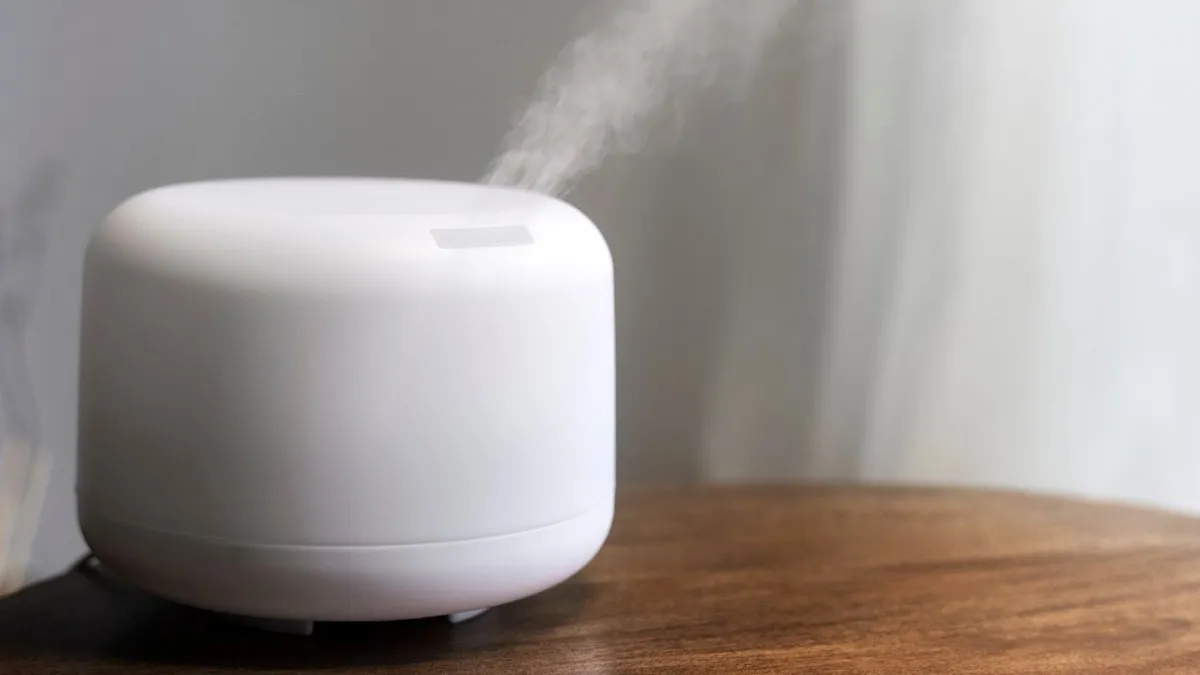
With air pollution worsening and AQI levels across cities dipping into the unhealthy zone, people are looking to humidifiers as their last resort for cleaner and more breathable indoor air. These compact devices assure respite from dry throats, chapped skin, and irritated sinuses to make them a necessary component of most bedrooms and living spaces. While humidifiers might seem like the perfect solution to dryness and pollution-related discomfort, they also have their own hidden challenges.
Table of Content:-
In an exclusive interaction with the editorial team of Onlymyhealth, Dr Majeed Pasha, Consultant, Pulmonology, Fortis Hospital, Nagarbhavi, Bengaluru, shared that overlooking these drawbacks can make a useful device become a source of health hazard.
Important Humidifier Drawbacks You Need to Know
Dr Pasha highlighted the three major humidifier drawbacks you should know about, and how you can use them, safely, without sacrificing your health. These include:
1. Mould and Bacterial Growth
According to him, this is the biggest and most misunderstood risk. Humidifiers rely on standing water to function smoothly. When that water sits for long hours, even days, it becomes a breeding ground for bacteria, mould, and other microorganisms. Once these microbes multiply, Dr Pasha explained, they are easily pushed into the air through the mist we inhale. This polluted mist may cause:
- Allergies
- Sinus infections
- Asthma flare-ups
- Lung irritation
Children, elderly individuals, and those with weakened immunity are the most susceptible.
ALSO READ- How Poor Sleep Affects Your Lungs: Expert Explains Hidden Respiratory Toll of Midnight Screen Time

“Your humidifier is supposed to help you breathe better, but without daily cleaning, it can end up circulating germs directly into your lungs. It is a silent risk that most people aren't even aware exists until symptoms appear,” he highlighted.
2. Excess Humidity
Moisture soothes drynes, but only to a point. It is when the humidity level rises above 50–60% that the problems begin. The excess moisture favours the growth of dust mites, mould spores, and fungus. As per Dr Pasha, this can trigger persistent respiratory symptoms and even an indoor atmosphere that is dank and musty. Signs your humidifier is overdoing with humidity are:
- Condensation on windows
- Damp patches on walls
- A lingering musty odor
- Furniture or wooden surfaces starting to warp
Most people don't monitor humidity levels, assuming more humidity equals more comfort. But the opposite is often true. You can easily tip into the danger zone without a hygrometer that keeps track of indoor humidity.
ALSO READ- Can Anxiety Cause Hyperventilation? Expert Explains the Link

3. Mineral Dust
If you're using an ultrasonic humidifier with regular tap water, you've probably seen a thin layer of white dust settle on your shelves. That's called mineral dust, i.e. tiny mineral particles released into the air when water is vaporised.
These fine particles, when inhaled, can inflame the airways and make it even more difficult for sensitive individuals to breathe. This dust isn't toxic, but also isn't good to breathe in, especially for asthmatic and allergic individuals.
Dr Pasha added that this problem can be significantly reduced by the use of distilled or demineralised water, but because many people are not aware of the difference, they simply use tap water for convenience.
How to Use Humidifiers Safely
Humidifiers aren't bad, they just require mindful use. To reep their benefits without the hidden threats, follow these expert-approved tips:
- Clean the tank daily to avoid the buildup of mould and bacteria.
- Use distilled or filtered water in order to avoid mineral dust
- Maintain indoor humidity between 40 to 50%
- Replace filters regularly if your model uses them
- Avoid having water that stands in the tank for many hours.
If well maintained, humidifiers can be safe, effective, and comforting during dry winter months or rising episodes of pollution.
Bottomline
Humidifiers can help but only if used wisely. Without proper cleaning and monitoring, they may do more harm than good, triggering allergies, mould growth, and air quality issues right inside your home.
Also watch this video
FAQ
1. How often should I clean my humidifier?
Ideally every day. If not, at least rinse the tank daily and deep clean it every two to three days to avoid bacteria and mould.2. Is it safe to use tap water in a humidifier?
Tap water contains minerals and may cause dust to build up. Distilled water is recommended to avoid white dust and irritation of the airways.3. What is the ideal indoor humidity level?
The experts recommend maintaining 40 to 50% humidity for comfort, safety, and healthy indoor air.
How we keep this article up to date:
We work with experts and keep a close eye on the latest in health and wellness. Whenever there is a new research or helpful information, we update our articles with accurate and useful advice.
Current Version
Jan 01, 2026 19:16 IST
Published By : Tanya Srivastava