


With 2025 drawing to a close, many people aim to shed extra weight and enter 2026 with better health. Obesity is more than just a number on the scale, but it silently affects energy, joints, sleep, and overall well-being. The good news: with the right plan and professional guidance, you can still turn things around safely and sustainably.
Table of Content:-
Dr Anju Ghei, Head of Preventive Health at VLCC Delhi, shares key signs of early obesity, causes behind weight gain, and safe, evidence-based strategies to shed pounds sustainably, helping you enter the new year fitter and healthier.
Early Warning Signs You Might Be Heading Toward Obesity![]()
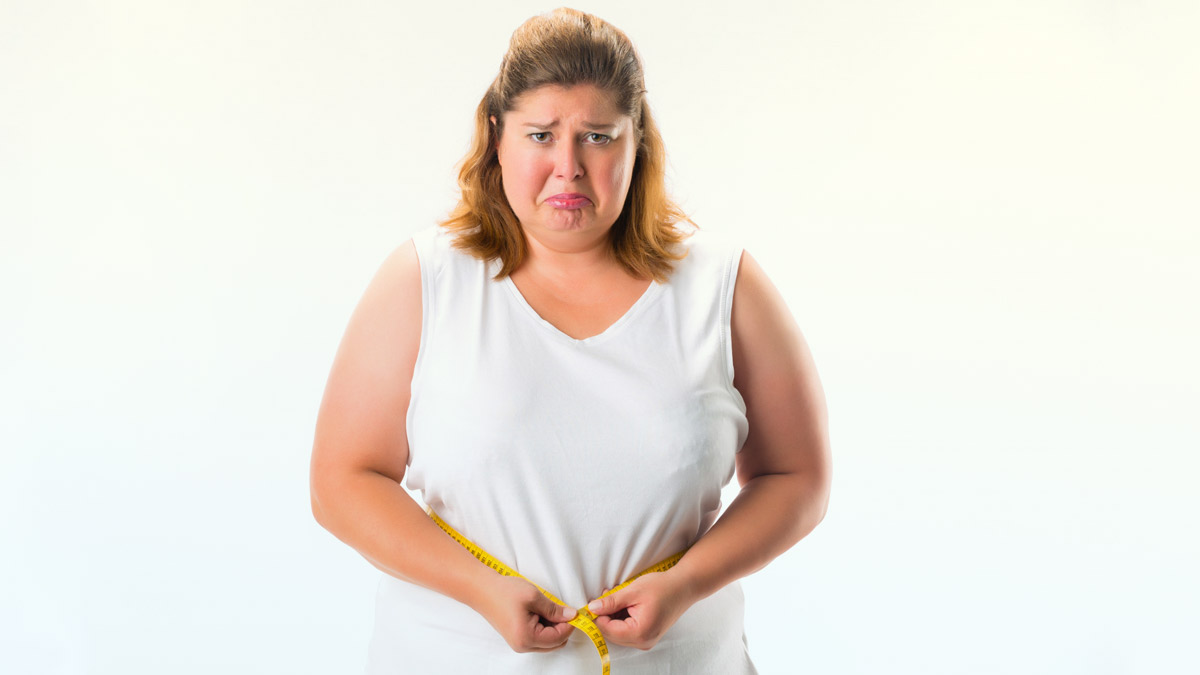
Dr Ghei explains that obesity often develops quietly. Some early signals that many ignore are:
- Clothes fitting tighter or waist size inching up (above ~30″ for women, ~35″ for men)
- Feeling sluggish or getting short of breath when climbing stairs
- Mild joint or back pain, poor sleep, snoring or signs of early sleep apnea
- Frequent hunger soon after meals, strong sugar or carb cravings, and late-night or emotional snacking
She says, “These early symptoms are often reversible with guided lifestyle correction and focused weight management approaches.” Recognising these signs early offers a window for change before obesity-related health issues set in.
Lifestyle Habits vs Medical Issues: What’s Driving Your Weight Gain?
Weight gain may stem from lifestyle changes such as less activity, long sedentary hours at a desk, irregular sleep, greater stress, or increased sugar and processed-food intake. As Dr Ghei notes, if you switch back to healthier habits and see your weight stabilise or drop, it likely indicates a lifestyle-linked issue.
However, she warns that sudden or unexplained weight gain of 2 to 3 kg in a month, unexplained puffiness, persistent fatigue, mood swings, and menstrual irregularities might indicate underlying medical conditions such as thyroid imbalance, insulin resistance, or hormonal issues. In those situations, she recommends proper metabolic and hormonal screening (thyroid, glucose, insulin, lipids) rather than jumping into fad diets.
What Works: Realistic, Safe Weight-Loss Strategies
Dr. Ghei emphasises that there is no one-size-fits-all diet. Instead, sustainable weight loss depends on a balanced lifestyle combining mindful nutrition, regular activity, stress control, and sufficient sleep.
 Her practical recommendations include:
- Focus on whole, nutrient-dense foods — proteins, fibre-rich vegetables, whole grains, healthy fats — while maintaining a modest calorie deficit.
- Include probiotic/prebiotic foods (e.g., yogurt, fermented foods, garlic, oats) to support gut health.
- Avoid processed foods, excess sugar, and too much alcohol.
- Stay hydrated.
- Aim for a slow, steady weight-loss pace: roughly 0.5 to 1 kg per week — this is safer and more sustainable than crash diets.
- Alongside diet, build a routine with regular activity, good sleep, and stress management.
Dr Ghei warns against “crash diets” or juice cleanses for quick results. She notes they may lead to fatigue, muscle loss, and rebound weight gain once normal eating resumes.
Why Even Modest Weight Loss Makes a Big Difference
You don’t need dramatic weight loss to get health benefits. A study published on PubMed supports that losing just 5–10% of your body weight can significantly improve metabolic and cardiovascular health.
For example:
- Improved insulin sensitivity and glucose control
- Lowered blood pressure, better cholesterol and triglyceride levels
- Reduced liver fat, improved fat and muscle metabolism
Even a 5% weight loss easier to achieve and maintain can reduce the risk of type 2 diabetes, heart disease, joint pain, and many obesity-related complications. This supports Dr. Ghei’s advice to aim for realistic, modest goals rather than extreme transformations.
Healthy Strategies Before 2025 Ends
Here’s a simple plan based on expert advice:
- Get screened: Consider a body-composition scan and metabolic check especially if you notice early warning signs.
- Small diet shifts: Swap processed snacks with whole foods, reduce sugary drinks, and add more fibre and proteins.
- Stay active: Aim for 150 minutes of moderate exercise per week (walking, cycling, yoga, strength work), even small daily changes add up.
- Mind your habits: Drink plenty of water, ensure 7–8 hours sleep, and manage stress, all vital for balanced hormones.
- Track progress wisely: Focus on waist size, energy levels, mobility, sleep, mood and not just the scale.
- Avoid crash fixes: Steer clear of fad diets or extreme restriction. Slow, steady weight loss with good nutrition and support works best.
ALSO READ: These Foods Could Make You Gain Weight in Just One Week – Expert Explains
Conclusion
With thoughtful choices, realistic goals, and expert guidance, it’s absolutely possible to cut obesity before the year ends. True health gains come not from drastic fads, but steady, sustainable changes that support metabolism, improve circulation, balance hormones, and uplift overall well-being. As Dr. Anju Ghei emphasises, even modest progress like losing a few inches around the waist or stabilising weight can be a powerful step toward long-term health.
Also watch this video
How we keep this article up to date:
We work with experts and keep a close eye on the latest in health and wellness. Whenever there is a new research or helpful information, we update our articles with accurate and useful advice.
Current Version
Dec 14, 2025 08:56 IST
Published By : Vivek Kumar