


Over the past few years, egg freezing has moved from whispers in fertility clinics to mainstream conversations among young working women. Social media posts, celebrity narratives, and corporate wellness policies have made the procedure sound empowering, and a way for women to invest in their future, buy time, and take control of their biological clock. However, behind the promise of autonomy, is egg freezing a choice in India, or a luxury only a small section can realistically afford?
Table of Content:-
So, to understand better, the editorial team of Onlymyhealth spoke to Dr Swati Mishra, Fertility Specialist, Birla Fertility & IVF, Kolkata, and she explained to us the medical, financial, and emotional realities women are faced with, before taking this leap. Read ahead to find out.
How Much Does Egg Freezing Cost in India?
Egg freezing is an expensive affair in India. A single cycle may cost ₹1.2 lakh to ₹2.5 lakh, shared Dr Mishra, depending on the city, clinic, and medications required. However, that's not all, the annual storage costs range from ₹15,000 to ₹50,000, while using these eggs later for IVF can cost an additional ₹1.5 lakh to ₹3 lakh per cycle.
For many working women who do not have highly compensated urban jobs, the total expense can be overwhelming. "When you add up all the components, egg freezing becomes a long-term financial commitment, not a one-time medical decision," she added.
ALSO READ- 6 Things Every Woman Should Consider Before Egg Freezing
What Does the Egg Freezing Process Look Like?
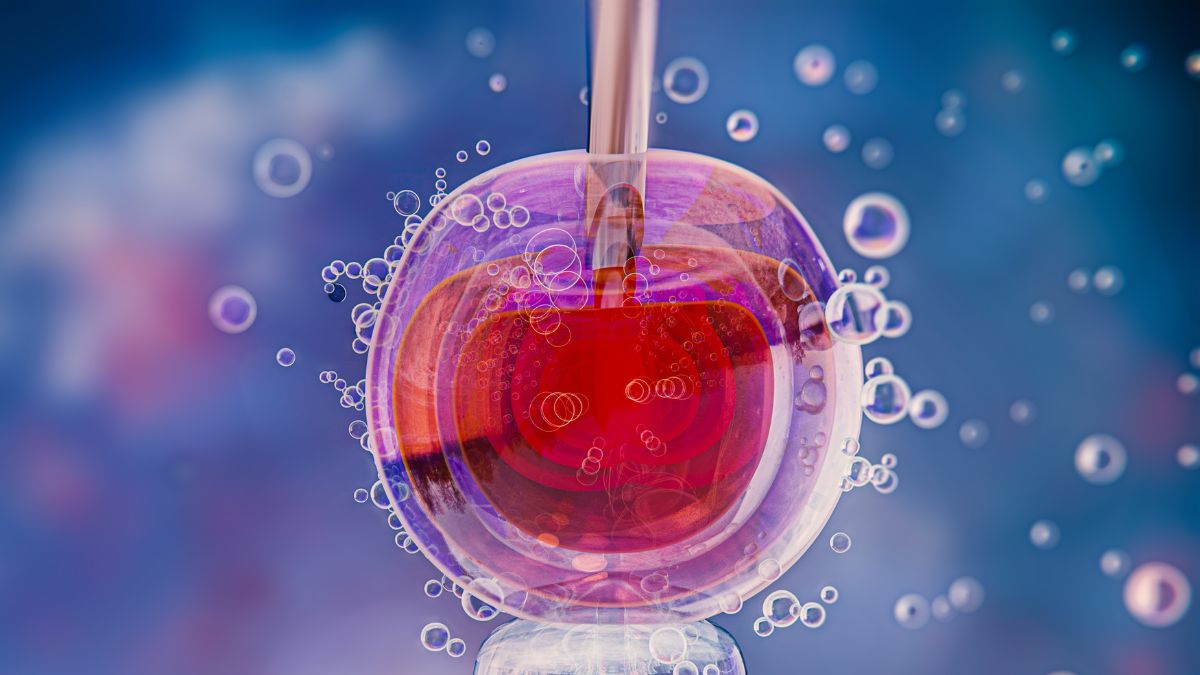
The process isn't like signing up and just walking out with frozen eggs. It involves initial blood tests and ultrasound scans, followed by injections to stimulate the ovaries for eight to 12 days. During this period, women can suffer from minor bloating, mood swings, or exhaustion.
After the follicles are ready, the doctors perform an egg retrieval procedure that takes about 20 to 30 minutes under sedation. The collected eggs are frozen using a technique called vitrification, which helps to prevent ice crystal formation and preserves the quality of the eggs.
Dr Mishra explained, "It is a time-consuming cycle that requires emotional bandwidth and regular follow-ups. Many women are taken aback by how much goes into this.”
Can Women Return to Work Quickly After Freezing Eggs?
Most women can go back to work within 24 to 48 hours following the egg retrieval procedure. Mild cramping, bloating, or discomfort is common, while severe pain is rare. “Working professionals usually plan the retrieval before a weekend. By Monday they’re able to return to regular duties without major issues,” Dr Mishra affirmed.
What is the Ideal Age to Freeze Eggs?
From the medical standpoint, the ideal age to freeze eggs would be between 28 to 35 because at this stage, the egg quality and quantity are still very strong. However, the egg quality drastically falls after 35 years in both parameters.
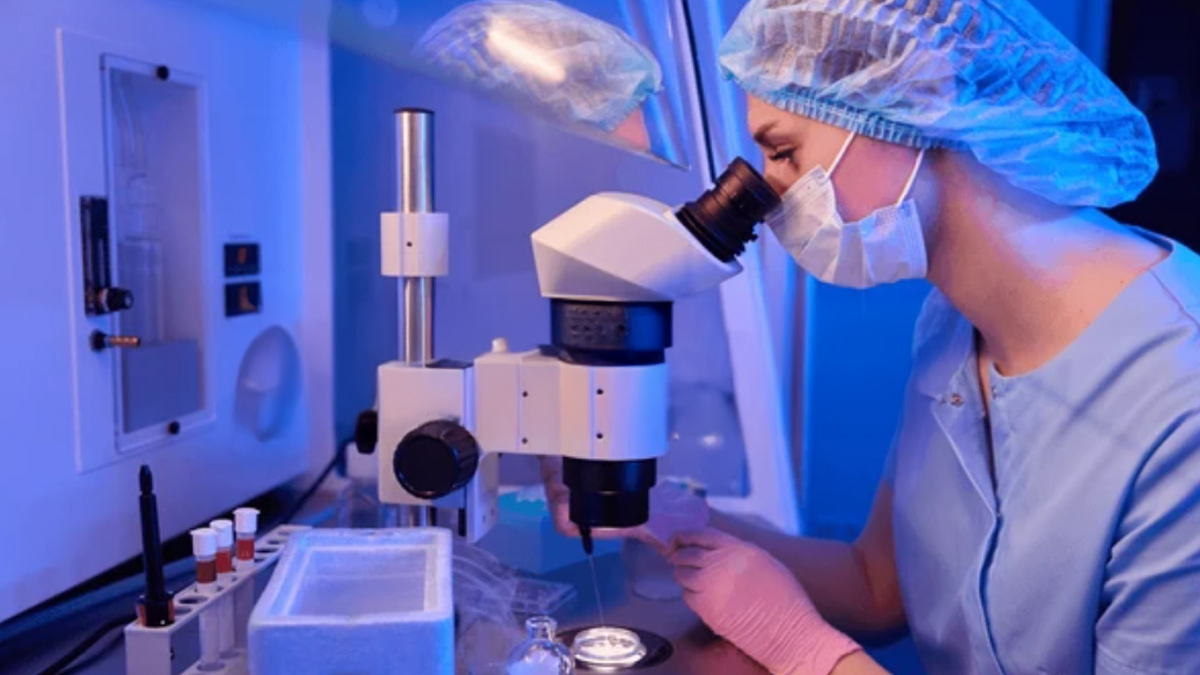
"Timing matters because egg freezing preserves the age of the egg, not the age of the woman. A woman using eggs frozen at 30 has better chances of conception at 40 than someone freezing eggs at 37 or 38," Dr Mishra said.
Medical Risks and Side Effects of Egg Freezing
While the freezing of eggs is generally safe, it isn't free of risks. At times, hormone stimulation may result in Ovarian Hyperstimulation Syndrome, which then leads to severe bloating, nausea, and abdominal pain. The minor risks of the actual egg retrieval process include infection or bleeding.
"Most cases are mild, but every woman should be counselled about possible side effects before they decide," added Dr. Mishra.
What Are the Success Rates of Egg Freezing?
Egg freezing is often marketed as a safety net, though it is by no means a guarantee of pregnancy in the future. Success is dependent upon age at freezing, the number of eggs frozen, and overall reproductive health.
On average, Dr Mishra explained:
- Freezing eight to 12 eggs under age 35 usually offers a 50 to 60% chance of future pregnancy.
- Women over 35 usually require more eggs for the same chance.
"Clinics should be transparent, which means egg freezing cannot promise motherhood, it can only increase a woman’s chance to get pregnant," she said with caution.

Emotional and Psychological Aspects of Egg Freezing
Besides biological and financial issues, egg freezing is also an emotional decision. Several women say they feel more reassured, like having secured a part of the future. Others frame the process as lonely or stressful, especially given the social expectations people have on marriage and mothering.
"There are women who freeze their eggs because they want time to find the right partner, while others do it because of an intense pressure on their career. Both groups carry hope, but also worry whether they're making the right decision,” Dr Mishra said..
Does Insurance Cover Egg Freezing Treatment in India?
In India, most insurance policies do not cover freezing, except in medical cases such as cancer-related fertility preservation. For non-medical or elective freezing, a woman needs to pay out of pocket.
Expert Views on Whether Clinics Oversell Egg Freezing as a Guarantee
Dr Mishra believes responsible clinics offer counselling with a balance, but admits some may sell egg freezing as if it were an insurance policy. “Women must understand that egg freezing preserves options, but it doesn’t eliminate uncertainty.”
Bottomline
While egg freezing is a powerful medical advancement in India, it continues to be a privilege for many women because of the high costs and limited access involved. Experts say that women deserve transparency in counselling, the setting of realistic expectations, and systems that support, rather than pressurise them, in making this very personal decision.
Also watch this video
FAQ
1. Is egg freezing safe for all women?
In general, yes, but women with specific medical conditions or hormonal sensitivity require individual assessment to avoid complications such as OHSS.2. How long can eggs be stored frozen?
Frozen eggs can be stored for 10 to 15 years or more, depending on clinic policies and national guidelines.3. Is it possible to conceive naturally after egg freezing?
Absolutely. Freezing eggs does not reduce one's natural fertility; it simply preserves additional options for the future.
How we keep this article up to date:
We work with experts and keep a close eye on the latest in health and wellness. Whenever there is a new research or helpful information, we update our articles with accurate and useful advice.
Current Version
Dec 04, 2025 12:13 IST
Published By : Tanya Srivastava