

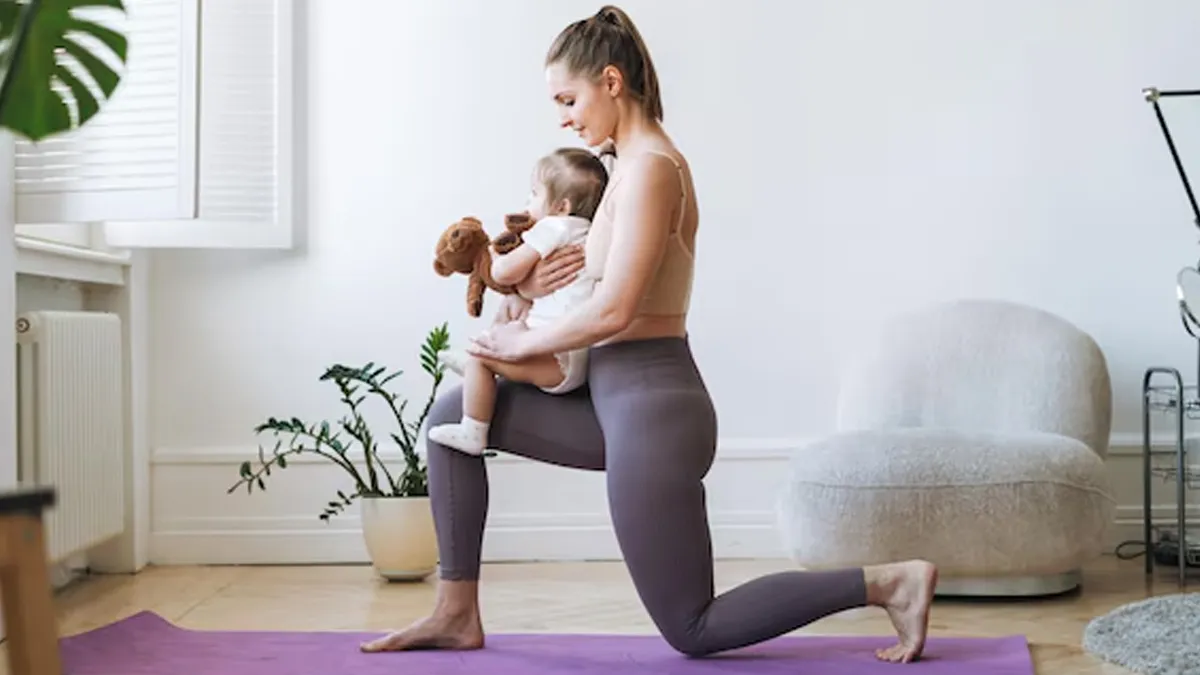
In most traditional and non-modern families in India, people advise new mothers not to exercise after childbirth. The belief is that physical activity can reduce milk supply, tire the mother, or even spoil the breast milk. These well-meaning suggestions tend to create confusion and fear among women who want to stay active for their mental and physical well-being. On the other hand, according to the internet and studies, postpartum exercise does not decrease milk supply.
Table of Content:-
So, the editorial team of Onlymyhealth reached out to Dr Anu Sridhar, Senior Consultant, Obstetrics & Gynaecology, Fortis Hospital, Bannerghatta Road, Bengaluru, and she explained that exercising after childbirth is one of the most supportive steps in a mother's recovery journey. But there’s a catch! Read ahead to find out.
Why Women Worry About Milk Supply After Exercising
The postpartum stage is a period of great change, wherein moms are already struggling to balance new responsibilities, sleepless nights, and hormonal changes. Additionally, the myths about exercising while breastfeeding often leave them conflicted.
"One of the biggest misconceptions is that exercise makes breast milk sour or reduces production. There is no scientific evidence backing this. Gentle to moderate exercise is safe and even recommended,” Dr Sridhar suggested.
Also Read: Can You Naturally Boost Your Chances of Having Twins? Gynecologist Explains

Another common concern is lactic acid build-up from high-intensity workouts. While intense workouts can temporarily raise levels of lactic acid, they do not harm the baby and do not affect milk supply to any great degree. “Also, most new mothers do not exert themselves to reach that level during the first months after childbirth,” she highlighted.
How Exercise Actually Helps New Moms
Regular postpartum exercise offers numerous benefits that support milk production indirectly, rather than negatively impact breastfeeding. Such as:
- Improved mood and less stress: Exercise releases endorphins, which help fight postpartum blues and anxiety. In many cases, lower stress leads to a steadier milk supply.
- Better sleep: Sleep is vital for new moms; however, their sleep quality often declines after childbirth. Exercising helps to tire the body, which in turn leads to better sleep.
- Improved strength and better posture: Regular exercise helps in strengthening the pelvic floor, back, and core, thereby improving the feeding posture and reducing pain.
- Steady energy and metabolism: Physical activity helps maintain healthy energy levels, which is very important for breastfeeding mothers.
Dr Sridhar explained that exercising is not always about weight loss, especially right after birth, but it's a gentle, sustained motion to enable recovery.

Does Exercise Decrease Milk Supply and Factors That Can
While exercise alone does not decrease milk supply, certain related habits can indirectly affect milk supply. These include:
1. Poor Hydration
Exercising while breastfeeding increases the fluid needs. If a woman works out and sweats without proper hydration, they may experience a temporary drop in supply. Dr Sridhar recommended a glass of water before and after workouts.
2. Not Eating Enough
Breastfeeding requires 400 to 500 extra calories a day. Combining workouts with restrictive dieting will impact milk production. Expert suggests focusing on nourishing the body, not avoiding exercise.
3. Starting Vigorous Exercise Too Early
Jumping directly into heavy workouts soon after childbirth may strain the body. Wait for medical clearance, which is usually 6 weeks after a normal delivery and longer after a C-section.
Tips for Exercising Safely While Breastfeeding
Dr Sridhar suggested the following to help new mothers balance fitness and breastfeeding comfortably:
- Start small: Begin with walking, gentle yoga, and pelvic floor exercises.
- Feed or pump before working out: You may find full breasts uncomfortable during movement.
- Supportive bra: Wear a properly fitting sports bra to prevent pain or pressure.
- Listen to your body: Fatigue and dizziness are signals to slow down.
- Stay well-hydrated and well-nourished: Keep quick snacks available like nuts, fresh fruits, yoghurt, eggs, and whole grains.
Bottomline
Exercising after childbirth does not decrease milk production. According to experts, with proper hydration, nutrition, and a gradual increase in activity, new mothers can safely reap the benefits of staying active while continuing to breast-feed.
Also watch this video
FAQ
1. When can I start exercising after delivery?
Most women can start with gentle movement within days, but should wait about 6 weeks for moderate exercise unless otherwise instructed by their doctor.2. Does high-intensity training affect breast milk?
Extremely intense workouts may increase lactic acid temporarily, but they will not hurt the baby. Most mothers prefer moderate exercise during the early months.3. If I am breastfeeding and exercising, should I increase my food intake?
Yes. Breastfeeding burns extra calories, so eating balanced meals and healthy snacks ensures your milk supply stays steady.
How we keep this article up to date:
We work with experts and keep a close eye on the latest in health and wellness. Whenever there is a new research or helpful information, we update our articles with accurate and useful advice.
Current Version
Dec 01, 2025 11:44 IST
Published By : Tanya Srivastava