

-1764764362512.webp)
Directed by Hrishikesh Mukherji in 1971, Anand became Indian Cinema’s cult classic, teaching people some profound lessons on life and death. Bollywood’s all-time iconic film is a poignant tale starring Rajesh Khanna as Anand Sehgal, who is battling lymphosarcoma, an intestinal cancer, and Amitabh Bachchan as his oncologist, Dr Bhaskar Banerjee.
Table of Content:-
Anand is a timeless film about a life-loving cancer patient whose approach to his remaining six months of life leaves everyone touched. Anand and his optimistic perspective on how to live every moment leave critics and the rest of the world discussing how one chooses to live, no matter what kind of disease they are living with. To gain more insights about lymphosarcoma and how it is living with this fatal disease, we spoke to Dr Sai Vivek V, Consultant - Medical Oncology and Haemato-Oncology, Aster Whitefield Hospital.
Anand: Teaching How To Live Life
You must have heard the GOAT dialogue, “Babu Mushai, Zindagi Badi Honi Chaiye, Lambi Nahi” (Life should be great, not long), of Anand, which actually highlights the whole plot of the movie. The movie set in Mumbai, then known as Bombay, is actually dedicated to legendary actor Raj Kapoor. Reports claim that Mukherji shared a strong and close bond with Kapoor, and ‘Babu Mushai’ was the nickname given to Mukherji by the veteran Bollywood actor and director during his deteriorating health days
The movie begins with a scene of an award ceremony where Dr Banerjee receives an award for his novel named Anand, which then leads to a flashback of how Anand came into the life of Dr Banerjee, changing his philosophy of life.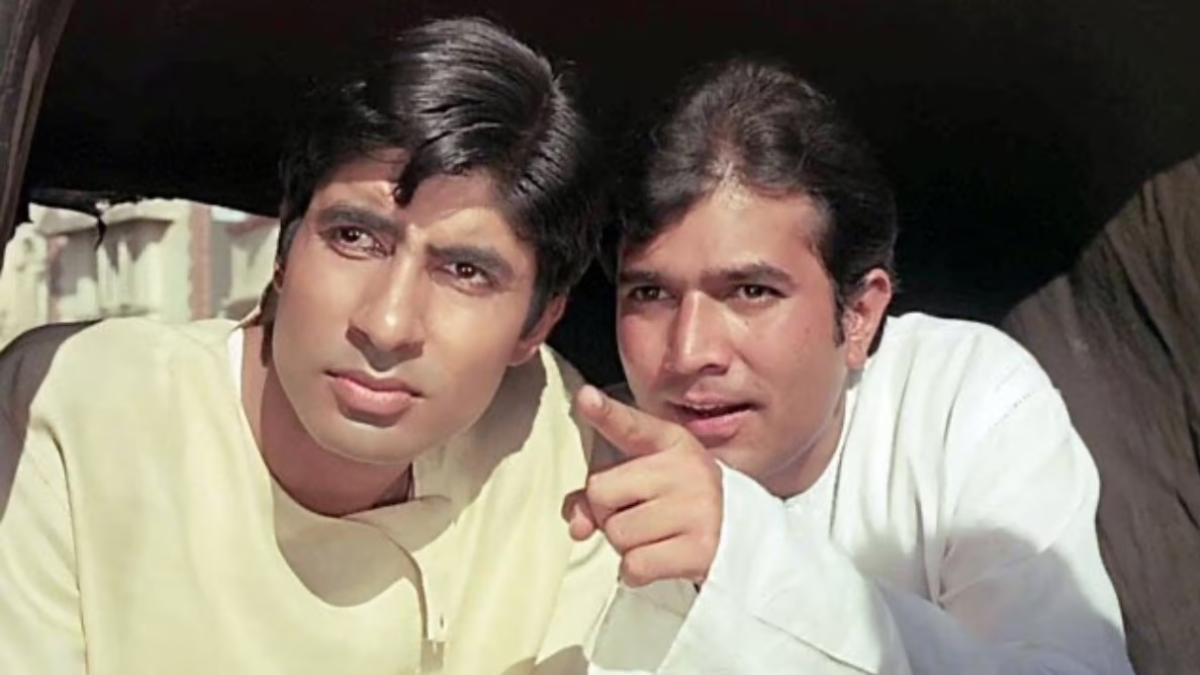
Anand has lymphosarcoma and coincidentally becomes a part of Dr Banerjee's life. In a scene at the beginning of the movie, Anand tells the doctor that he does not want to get admitted to the hospital, stating that he will not live his already short life if he keeps lying on a hospital bed.
The movie gains immense popularity not just for acting, storytelling and its songs but also for showing how happiness can be chosen in all conditions. Anand's approach to life often leaves people wondering if he is actually suffering from any illness. In a scene, even the nurse fails to identify who the patient is.
Anand spontaneously stops people walking on the road, calling them with random names like ‘Murari Lal Ji’, just to have a conversation and feel familiar with the place. His urge to find friends and be around people shows both his life philosophy and his fear of being alone.
The movie shows how emotional care and human presence are as critical as medicine, making D Bhaskar and Anand start living together. As his final days near, Anand starts recording his voice, his conversations with Dr Bhaskar, and his life experiences to leave something behind. In the juggle of treatment and trying to embrace the final days of life, Anand took his last breath, teaching the world an enduring way of happiness.
Also Read: Big Screen Prognosis: Oscar-Winning Film, 'A Beautiful Mind', Depicts What It Is Like Living With Schizophrenia
Living with Lymphoma: Anand’s Way
Lymphosarcoma is an old term referring to lymphoma, which is actually a group of cancers in the lymphatic system. The movie is from the 1970s, when medical advancements, especially for lymphoma cancers, were not as developed as they are now.
As mentioned in a report by the Cleveland Clinic, it is a type of blood cancer, as the illness starts from white blood cells, also called lymphocytes. There are two major lymphoma categories: Hodgkin Lymphoma and Non-Hodgkin Lymphoma, with more than 70 subtypes, the report claims.
Dr Sai Vivek V explained, “Lymphosarcoma, which was the situation in the movie Anand, is most commonly an aggressive non-Hodgkin lymphoma of that kind, which is not a common cancer. Many of its types are not curable even today, but their symptoms can be well-managed. Dr Vivek V further shared a few symptoms one should look for:
Losing weight without any explanation
Persistent fever with night sweating
Fatigue and tiredness
Abdominal pain
Lymph node enlargement
These symptoms generally develop very fast, usually within a couple of weeks or months. “As these tumours are commonly very fast-growing, patients usually experience drastic drops in their health in a very short time, especially when the tumour is in the digestive tract or the lymph nodes are located deep in the body,” Dr Vivek V noted.-1764765145059.jpg)
Along with physical symptoms, emotional weight also makes the treatment journey difficult, which was particularly addressed in the movie. Dr Vivek V stated, “The patients encountering such a diagnosis usually suffer a very strong emotional impact. Most commonly, the first round of emotions experienced is being shocked and feeling helpless, and later on, patients become anxious about the disease prognosis and the side effects of the treatment, losing hope in life.”
In the process of diagnosis to treatment, emotions like fear, grief, and helplessness become quite common, sometimes overpowering rational thinking.
Also Read: 7 Things to Know About Green Coffee for Weight Loss That Helped Sarfaraz Khan Drop 17 kilos in 2 Months
Treatment For Lymphoma
Comparing the time when the film was made, current treatment protocols are far more advanced and give patients a high probability of survival.
“The treatment against an aggressive non-Hodgkin lymphoma is mainly multi-drug chemotherapy regimens, the major one of which is R-CHOP, combining targeted therapy (rituximab) with cytotoxic drugs,” Dr Vivek V shared.
The Oncologist further mentioned that radiotherapy may form a part of a patient's treatment plan based on the stage and subtype, while stem cell transplantation is available, mostly in the case of relapse or refractory disease.
Also Read: Big Screen Prognosis: Classic American Movie Patch Adams Defines Human Connection As True Medicine For Healing, Experts Decode Why It Works
Life Expectancy with Lymphoma
The life expectancy with this type of cancer, if not treated, is very short, and the disease will be aggravated rapidly, leading to death within months. Before the era of modern chemotherapy, survival was very short, and it was usually only a matter of weeks or months, depending on how fast the tumour grew and which organs were involved.
"The time frame of half a year shown in the movie coincides with what would have been medically realistic for an untreated, high-grade lymphosarcoma back then," Dr Vivek V stated. He also emphasises that patients should not ignore the importance of treatment as it not only increases their life expectancy but can also make them free from cancer tissues, allowing them to live a healthy and happy life.
Bottomline
The movie, Anand, shows what it felt like living with cancer in the 1970s and still resonates with people fighting with severe illnesses like cancer. Presenting a candid side of mental health and emotions, it highlights the importance of emotional care. However, while in the 1970s it was quite difficult to manage and treat this disease, in 2025, medical science has better treatment options for both mental and physical health.
Also watch this video
How we keep this article up to date:
We work with experts and keep a close eye on the latest in health and wellness. Whenever there is a new research or helpful information, we update our articles with accurate and useful advice.
Current Version
Dec 03, 2025 18:06 IST
Published By : Sameeksha Sharma