
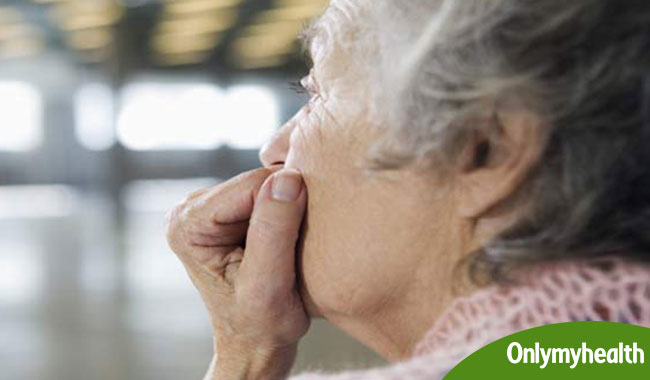
All of us get sad at some point in our lives because it is normal for us too. When this sulking feeling reaches new heights and refuses to drop, it is time to ask for medical help.
Depression is a common disease and all of us are at risk of it. While the exact cause of it is not known, there are a lot of factors such as biological, psychological, and social that can lead to it.


Biological Causes
The biological causes of depression include alterations in chemicals/neurotransmitters of the brain, genetic factors, and hormonal imbalances.
Top Stories

-1751527287915.png)
-1751352905978.jpg)



- Chemicals / Neurotransmitters: Neurotransmitters are chemical messengers that help in the transmission of nerve impulses through the nervous system (in the brain and through the nerves). There are several types of neurotransmitters in the brain; neurotransmitters noradrenaline and serotonin are decreased in the brain during depression.
- Genetics: The exact genes or the extent to which genetic factors contribute to the development of depression is not known. But, genetic factors probably do contribute to depression as people with a family history of depression are at a higher risk of it.
- Hormonal imbalances: The way hormonal imbalance causes depression is again a mystery to researchers. It has been found that an imbalance of female sex hormones can cause depression. Depression is more common in postmenopausal women.
Psychological Causes
The personality or attitude of a person and the coping strategies with life’s events can predispose one to depressive illness.
- Personality or attitude: Several personality traits such as being very ambitious, anxious, obsessive/perfectionist, someone who has set very high standards for himself/herself are more likely to experience depressive episodes as compared with people who don't belong to such types of personality.
- Coping strategies: The way a person deals with stressful events in life such as separation, divorce, death in the family or loss of job determines how predisposed you are to depression. People who are impulsive, aggressive, and self-centred are highly likely to experience depressive episodes.
- Social causes and social support: Several social factors can affect the risk of developing depression.
- Stressful events: People with a lot of stressful life events (such as separation, divorce, death, loss of job) are at higher risk of depression.
- People sharing meaningful relationships with friends, spouse, and sibling/s are at lesser risk of developing depression. Such relations have a positive effect in preventing depression.
- Those who are single or divorced and the elderly are more prone to depression.
Depression is a treatable disease; it can be treated with medicines, counselling or with a combination of the two. If you think you have symptoms suggestive of depression, consult a doctor at the earlier for effective treatment.
Read more articles on Depression Causes and Risks.