

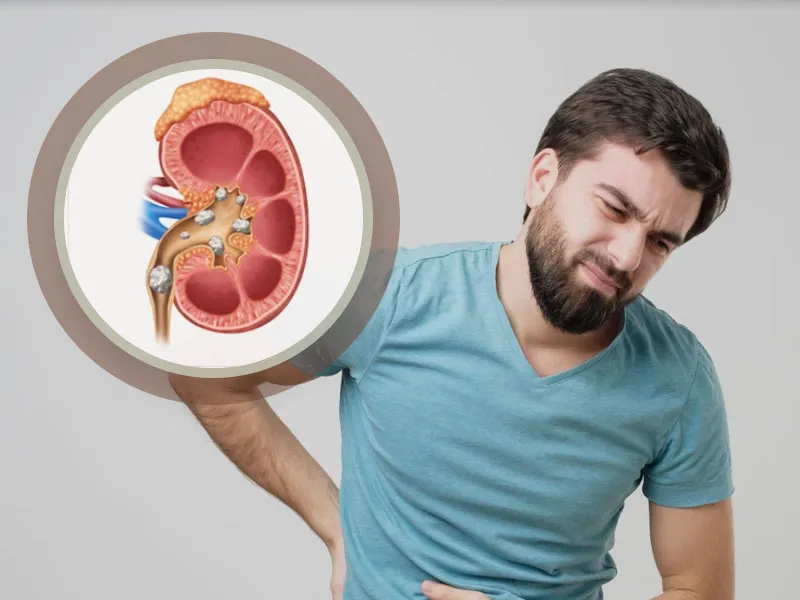
Kidney stones are always dismissed as a passing experience, a one-time thing. However, medical experts caution that when kidney stones keep returning, they are rarely a matter of chance. Instead, repeated stones are the body’s way of signalling deeper imbalances that need timely attention.
Table of Content:-
According to Dr Sheel Bhadra Jain, Nephrologist & Renal Transplant Specialist at CK Birla Hospitals, Jaipur, recurrent kidney stones should never be ignored. “If you keep getting kidney stones, it is usually not just bad luck. Your body is trying to tell you that something is off,” he explained. These imbalances may stem from inadequate hydration, dietary patterns, or how the body processes minerals like calcium and uric acid. Read ahead to know everything he shared with us.
Why Kidney Stones Return
A single kidney stone episode can occur due to temporary dehydration or dietary indulgence. But the likelihood of repeated formations may imply the existence of risk factors. The most common cause, often a result of repeated formations, is a person’s disregard for adequate water intake. The effect of low fluid intake has a crucial role to play in the formation of kidney stones. Water, being a diluted solution, results in a favourable environment where minerals develop in crystalline form.
ALSO READ- Can Anxiety Lead to a Heart Attack? Here Is What A Cardiologist Says
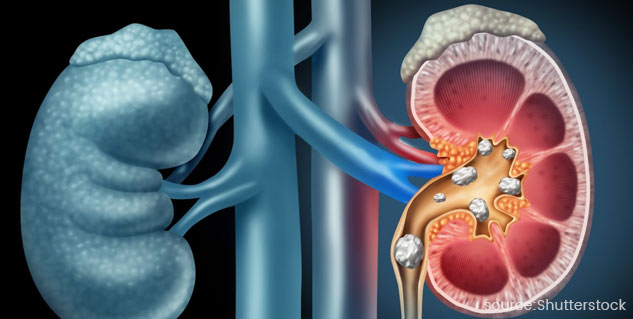
Dr Jain added that diet is also a consideration. Excess sodium in the diet promotes calcium excretion in the urine, and a high intake of foods with high oxalate content, such as spinach, nuts, and chocolates, may contribute to calcium oxalate stones. A high intake of animal proteins may also increase uric acid, paving the way for uric acid stones.
"A kidney stone is perceived to be a one-time problem by many people, but it is likely to recur if no treatment is done. Otherwise, the cycle is not going to stop,” Dr Jain emphasised.
To know the kind of rock being worked with is important. Their formation can be due to calcium oxalate, calcium phosphate, uric acid stones, and even other substances. It is important that the type of stone is known because their prevention is different.
Can Changing Lifestyle Reduce Kidney Stone Risk?
Dr Jain highlighted that most instances of recurring kidney stones can actually be avoided through some easy yet regular lifestyle modifications. Drinking plenty of water (sufficient to make one have clear or pale yellow urine) is one of the best ways to have a reduced incidence. A balanced intake of salt, sufficient calcium intake from regular food, and moderate consumption of oxalate substances have also shown good results.
Taking care to have a healthy weight is also important. “Being overweight or obese has been shown to increase the risk of kidney stone formation by affecting urine composition. Making small changes to our lifestyle, such as drinking lots of water, eating a healthy diet, and having a healthy weight, can make a lot of difference,” explained Dr Jain.
However, in some situations, lifestyle changes might not be sufficient. “Sometimes medication may be necessary to prevent stones from being formed. For example, some drugs could be those that lower the amount of either calcium in the urine or uric acid in the urine,” he added.
ALSO READ- Is It Ok To Skip Night Feeds If Baby Sleeps? Find Out Here

Importance of Early Medical Attention for Kidney Stones
Kidney stones have complications beyond the discomfort associated with them; they can cause damage to the kidneys as well. Infections and obstructions caused by recurrent kidney stones can impair the functioning of the kidneys.
“The key thing to remember is just not to ignore it. Repeated episodes of stones are a sign of warning, it’s not just an intermittent issue,” Dr Jain insisted. Early consultation with a nephrologist could go a long way in preventing complications in the future and also in preventing frequent instances of visiting emergency rooms in case of severe kidney infections.
Bottomline
Recurring kidney stones are an indication that there is a problem with either your diet or metabolism that needs to be addressed, and seeking medical attention could solve this problem and prevent these stones from forming in the future.
Also watch this video
FAQ
1. Why do kidney stones keep coming back?
These are recurrent because of low water intake, a salt or oxalate-rich diet, obesity, and metabolic disturbances.2. Is it possible to prevent kidney stones without surgery?
Yes. Hydration, changes in the diet, weight loss or management, or even prescription drugs can help.3. When should I see a nephrologist for kidney stones?
If you’ve had more than one stone episode, early consultation can help identify the cause and prevent future stones and kidney damage.
How we keep this article up to date:
We work with experts and keep a close eye on the latest in health and wellness. Whenever there is a new research or helpful information, we update our articles with accurate and useful advice.
Current Version
Dec 18, 2025 17:41 IST
Published By : Tanya Srivastava