

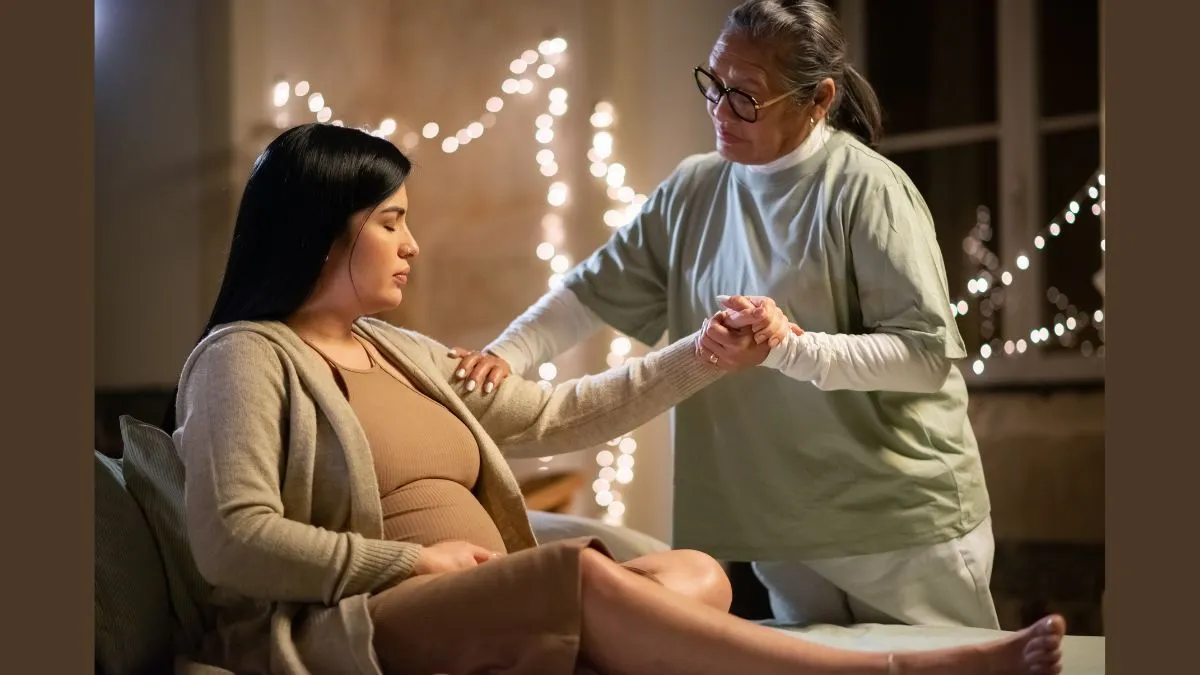
The moment a new life enters the world is often described as miraculous. Nevertheless, the path leading there is rarely simple. It unfolds through a delicate interplay of hopes, fears, cultural traditions as well as intimate expectations that shape each family long before labour begins. When this profoundly personal journey is forced via standardised systems designed for uniformity, something vital is lost: the individuality of the parent and the uniqueness of the child being welcomed.
Table of Content:-
In India, where nearly 25 million births take place each year, this gap becomes even more pronounced. A powerful shift is now underway, with maternity care being reimagined as an experience that must honour personal values, emotional safety, and informed choice. This marks the arrival of a new era, one where childbirth becomes deeply human, deeply intentional, and unmistakably personal.
From Protocols to Personal Journeys
For decades, maternity care relied heavily on structured pathways created for efficiency in high-volume environments. While clinically sound, these systems often overlook the nuances that make each pregnancy different. Cultural beliefs, previous medical history, emotional readiness, and family dynamics all influence the childbirth experience. Yet, standard care models rarely account for this spectrum.
“Today, personalised maternity care is shifting that mindset. The approach focuses on the expectant parent as a partner and not a passive participant. Shared decision-making, thoughtful dialogue, and longer prenatal consultations allow preferences to shape the care plan rather than being fitted into a rigid template,” shares Dr Namrata Nagendra, Consultant- Obstetrics & Gynecology, Apollo Cradle & Children’s Hospital, Koramangala, Bangalore.
ALSO READ- First Trimester Care Guide: Essential Steps For A Strong Start To Embracing Motherhood
Birth plans, once viewed as optional, now serve as essential communication tools that outline expectations for labour, pain management, and newborn care. This clarity strengthens trust, reduces anxiety, and increases the sense of control that is so critical during childbirth.
“As per a PubMed study, Tailored care environments, especially midwife-led models as well as birth centres, consistently report lower intervention rates, including significantly reduced c-sections. The emotional impact is equally profound, with families reporting higher satisfaction and better mental health outcomes,” adds Dr Nagendra.
Healthier Outcomes Through Personalised Prenatal and Postnatal Care
Pre-Birth - Personalised care begins long before labour. During pregnancy, early detection of issues like preeclampsia, gestational diabetes and fetal growth delays is made possible through regular screenings, ultrasounds, and guided lifestyle support. These measures form a safety net shaped around each woman’s unique background and needs, which is especially important in diverse communities.
Post-Birth- The focus on personalisation continues after birth. The ‘fourth trimester’ is a time of major physical and emotional change. During this time, tailored support helps mothers recover, understand breastfeeding, monitor their newborns as well as protect their mental health. Across India and parts of Asia, postpartum centres and ayurvedic retreats now offer structured, culturally rooted care with specialised diets, massages, physiotherapy, and ongoing monitoring.
“This continuity of care helps mothers feel secure, supported, and prepared for early parenthood,” says Dr Nagendra.
ALSO READ- Dietician Gives Post-Pregnancy Diet Tips To Be Healthy Moms
Honouring Diversity, Dignity, and Emotional Safety
Perhaps the most transformative aspect of personalised maternity care is its recognition of cultural identity and emotional well-being. Families across India and globally bring traditions, rituals, and expectations that influence how they view birth. Being attentive to these preferences, whether centred on prayer, female providers, or postpartum rites, plays a crucial role in maintaining dignity in care.
Culturally attuned healthcare providers have been shown to reduce disparities, particularly in communities that historically faced higher maternal risks. Doulas, midwives, and lactation specialists who share cultural backgrounds with families help bridge trust gaps and improve outcomes, from reduced complications to improved breastfeeding rates.
Final Word
Summing up, Dr Nagendra concludes by saying, “As understanding grows around what truly shapes maternal and newborn health, the era of generic maternity pathways is steadily fading. The future belongs to models that listen deeply, adapt thoughtfully, and honour both the medical and emotional dimensions of childbirth. With millions of births occurring each year, the shift toward personalised care is not merely a trend; it is an essential evolution ensuring that every family begins its journey with dignity, safety, and meaningful support.”
Also watch this video
FAQ
What is personalised care in maternity?
This is a tailored care designed for women during pregnancy and after childbirth. Women are provided with unique needs as per their choice and comfort.Who is eligible for personalised care?
There is no eligibility criteria. Anyone who feels the need for personalised care can receive it.What are the three types of maternity care?
The three types or stages of maternity care are- antenatal or during pregnancy care, care during birth and postnatal or after delivery care.
How we keep this article up to date:
We work with experts and keep a close eye on the latest in health and wellness. Whenever there is a new research or helpful information, we update our articles with accurate and useful advice.
Current Version
Dec 18, 2025 18:10 IST
Published By : Chanchal Sengar