

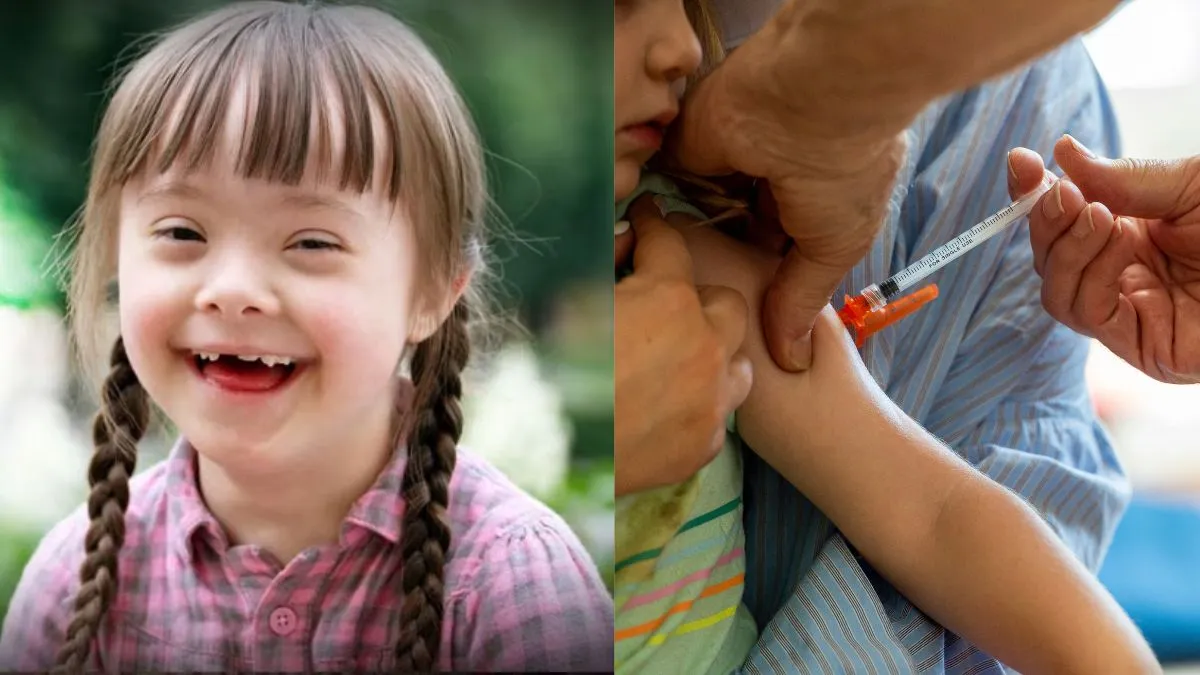
For years, rumours swirled that vaccines might trigger autism in kids. It started with a now-discredited 1998 study by Andrew Wakefield, claiming a link between the MMR vaccine and autism spectrum disorder. Parents worried, and vaccine rates dipped in some places. But health experts worldwide pushed back hard.
Table of Content:-
Now, the World Health Organization has stepped in again with fresh clarity. Their expert group just reviewed global evidence and confirmed that no causal connection exists. This puts the myth to rest once more, helping parents make informed choices without fear.
What the New WHO Review Says
STATEMENT:
— World Health Organization (WHO) (@WHO) December 11, 2025
New analysis from a WHO global expert committee on vaccine safety has found that, based on available evidence, no causal link exists between vaccines and autism spectrum disorders (ASD). The conclusion reaffirms WHO’s position that childhood vaccines do not cause… pic.twitter.com/RL9g0EnV8d
On December 11, 2025, a WHO expert committee released a new analysis. They looked at piles of scientific studies from around the world. The verdict? No evidence ties vaccines to autism. The WHO expert committee re-examined global studies to understand whether there could be any possible connection between vaccines and autism. Their conclusion was straightforward: there is no causal link.
Here’s what this means in simple language:
- Vaccines do not cause autism.
- No ingredient in vaccines has been found to increase autism risk.
- Large studies comparing vaccinated and unvaccinated children show no difference in autism rates.
- The earlier claims were based on flawed research that has since been discredited.
This updated review was released to help counter misinformation, especially at a time when health rumours spread quickly on social media.
Why the Rumour Started in the First Place
The fear around vaccines and autism began in the late 1990s after a now-retracted study falsely suggested a connection. Since then, scientists around the world have conducted strong, high-quality research to test this claim.
Key reasons the rumour lasted so long:
- Parents often notice early signs of autism around the same age children receive vaccines.
- Misinformation spreads easily online.
- Many fake “studies” and anecdotal stories circulate without scientific backing.
The WHO review reinforces what scientists have said for years: the timing of autism symptoms is coincidental, not caused by vaccines.
Why This Review Matters Right Now
Many countries are still dealing with the after-effects of the pandemic, including rising vaccine hesitancy. WHO’s updated review comes at an important time. It reassures parents, healthcare workers, and communities that vaccines remain one of the safest tools in modern medicine.
The report also encourages governments to strengthen public awareness campaigns. With misinformation becoming harder to control, global health experts believe clear communication is essential.
ALSO READ- Michigan Man Dies of Rabies After Kidney Transplant From Donor Who Saved Kitten From Skunk
Conclusion
The updated WHO review puts the long-standing rumour to rest once again: vaccines do not cause autism. The science is strong, consistent, and clear. Vaccines remain a crucial part of protecting children and communities from serious illnesses. For families who want the best for their children, trusting accurate, evidence-based health information is the safest path forward.
Also watch this video
Read Next
At 90, Shivraj Patil, Congress leader and Former Union minister, Dies Due To Prolonged Illness
How we keep this article up to date:
We work with experts and keep a close eye on the latest in health and wellness. Whenever there is a new research or helpful information, we update our articles with accurate and useful advice.
Current Version
Dec 12, 2025 11:02 IST
Published By : Vivek Kumar