


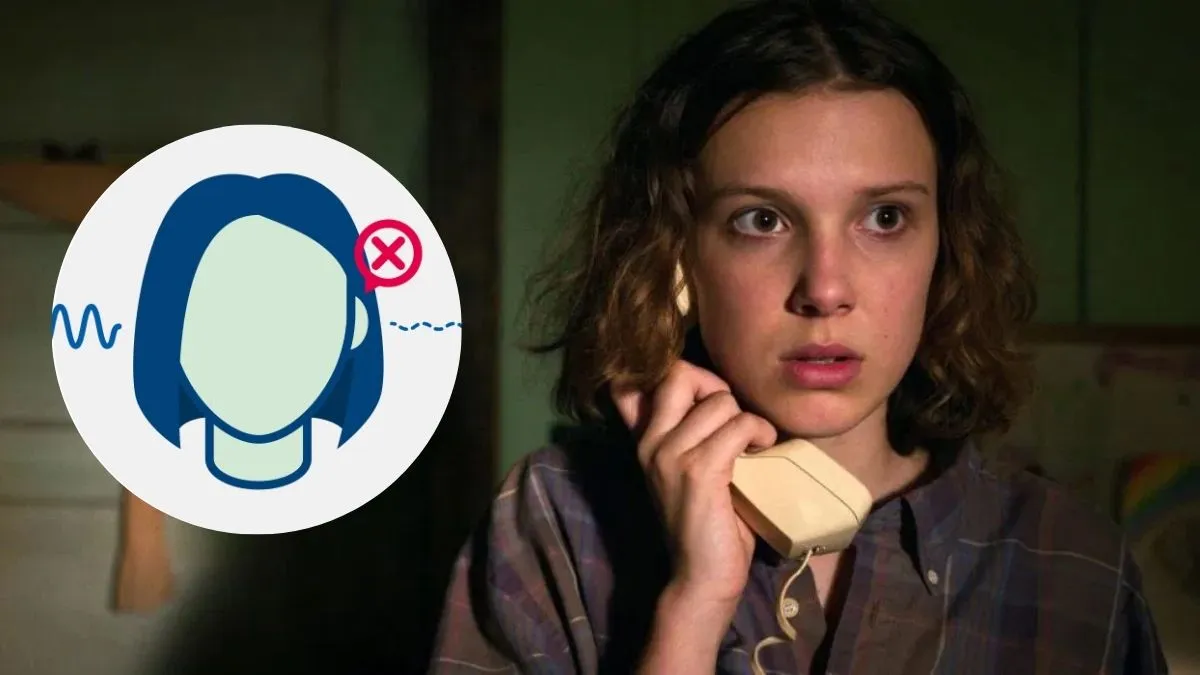
As fans are eager for Stranger Things Season 5, all eyes are on Millie Bobby Brown. While she plays the incredibly powerful "Eleven" on screen, many fans are surprised to learn that Millie has navigated a significant real-world challenge since birth. However, away from the limelight, the actress has been open about being born with partial hearing loss, which eventually transitioned into full deafness in one ear.
Table of Content:-
Her journey from a child star to a global icon has been nothing short of inspiring. Despite her condition, Millie hasn't just survived in a demanding industry; she has thrived, often performing without being able to fully hear herself. To better understand this condition, known medically as Unilateral Deafness, we reached out to Dr Divya Badanidiyur, Senior Consultant - ENT at SPARSH Hospital, Infantry Road, Bangalore.
"I Just Do What I Love": Millie Bobby Brown on Her Journey
Millie's experience with hearing loss wasn't a sudden event, but a gradual process. Born with partial hearing in one ear, she underwent years of treatment, including the use of tubes to help her hear. However, the ability eventually faded away entirely.
Speaking to Variety, Millie shared a perspective that has inspired millions, "I just started to sing, and if I sound bad, I don't care, because I'm just doing what I love. You don't have to be good at singing. You don't have to be good at dancing or acting. If you like to do it, if you genuinely enjoy doing it, then do it. No one should stop you."
What Is Unilateral Deafness?
According to Dr Divya Badanidiyur, Unilateral Deafness, also known as Single-Sided Hearing Loss (SSHL), is a condition where a person has partial or complete hearing loss in one ear while the other ear hears normally or near-normally.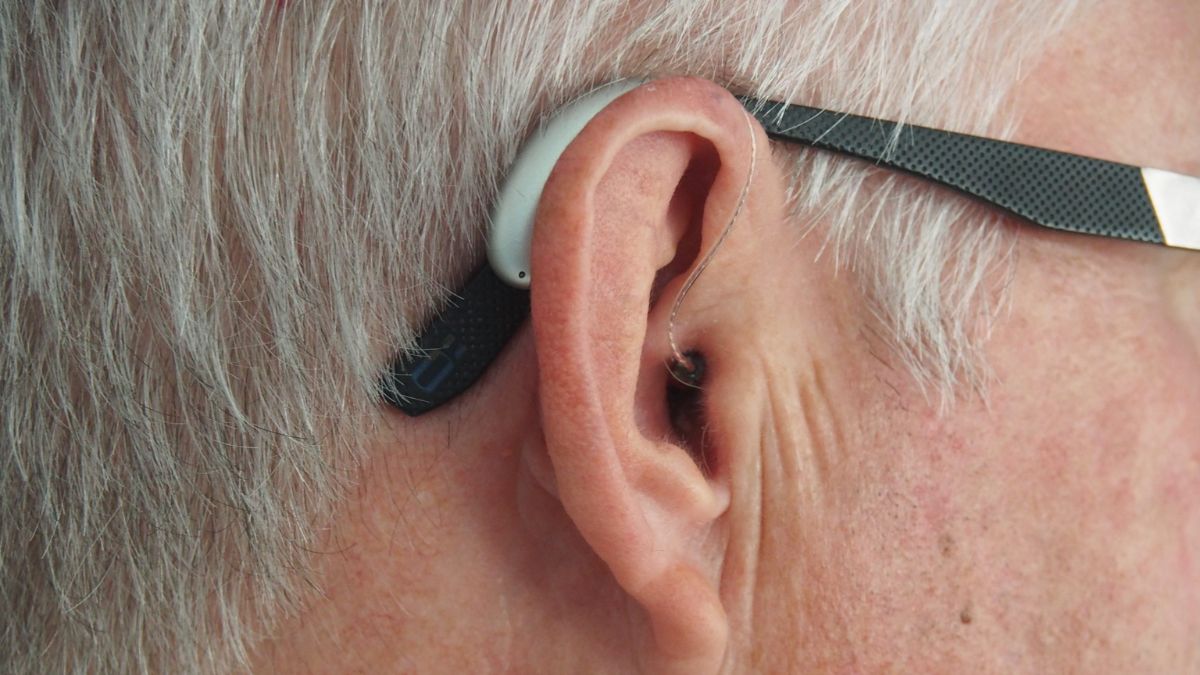
"The loss may be sensorineural (inner ear or nerve-related), conductive (outer or middle ear problem), or mixed," explains Dr Divya. "People with this condition often struggle with sound localisation, meaning they cannot easily tell where a sound is coming from. Hearing in noisy environments becomes particularly challenging because the brain relies on both ears to filter out background noise."
Is Being Deaf in One Ear a Disability?
While many people adapt well over time, Dr Divya notes that from a medical and legal standpoint, it can indeed be considered a disability.
- Functional Impact: It leads to difficulties with directional hearing, understanding speech in crowds, and "auditory fatigue" from the extra effort required to listen.
- Development in Children: For children, it is increasingly recognised as a developmental disability because it can interfere with language acquisition and classroom learning.
- Professional Challenges: Adults may face hurdles in jobs that require precise hearing, such as operating heavy machinery or roles with heavy communication needs.
- Recognition as a disability helps individuals gain access to assistive technologies, workplace accommodations, and educational support.
What Causes Hearing Loss in One Ear?
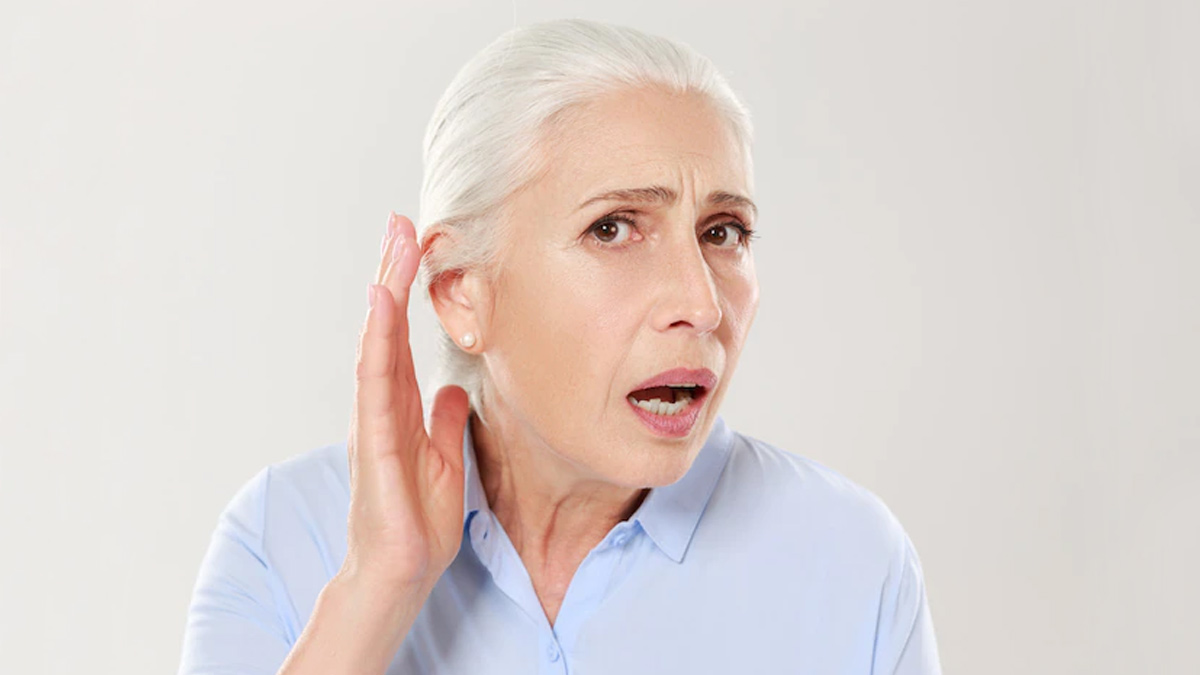
The causes of hearing loss in just one ear can be diverse. Dr Divya outlines several common factors:
- Congenital Issues: Some individuals, like Millie Bobby Brown, are born with structural abnormalities of the ear or auditory nerve.
- Trauma & Noise: Head injuries or sudden exposure to extremely loud noises.
- Medical Conditions: Acoustic neuroma (a non-cancerous tumour), infections, or even a stroke.
- Medications: Certain "ototoxic" drugs can damage the inner ear.
Symptoms and Treatment Options
Detecting the condition early is vital, especially in children who might not realise their hearing is different.
Common Symptoms:
- Reduced hearing or "muffled" sounds in one ear.
- Frequent ringing in the ear (tinnitus).
- Dizziness or a feeling of being off-balance.
- Difficulty following a conversation in a restaurant or busy office.
Treatment Pathways:
Dr Divya explains that treatment depends on the cause. Options include:
- Medical Management: Steroids for sudden nerve-related loss or treatment for infections.
- Assistive Devices: Hearing aids or specialised CROS/BiCROS systems that pick up sound from the "bad" side and transmit it to the "good" ear.
- Surgical Solutions: Bone-anchored hearing devices or, in rare cases, cochlear implants.
- Therapy: Auditory rehabilitation and speech therapy to help the brain adapt.
A study published in the Journal of the American Academy of Audiology highlights that children with unilateral hearing loss are ten times more likely to repeat a grade in school compared to their peers. This is often due to the intense "listening effort" required in noisy classrooms, which leads to mental exhaustion.
ALSO READ- Denying Plastic Surgery, 'Naagin 7' Priyanka Chahar Reveals Antibiotics Caused Facial Bloating
Conclusion
Millie Bobby Brown’s success proves that Unilateral Deafness does not have to be a barrier to achieving greatness. By speaking openly about her "faded" hearing, she has brought much-needed attention to a condition that is often invisible. Whether you are a parent noticing a child’s struggle in school or an adult experiencing sudden changes, remember that early diagnosis is key.
Also watch this video
Read Next
Denying Plastic Surgery, 'Naagin 7' Priyanka Chahar Reveals Antibiotics Caused Facial Bloating
How we keep this article up to date:
We work with experts and keep a close eye on the latest in health and wellness. Whenever there is a new research or helpful information, we update our articles with accurate and useful advice.
Current Version
Dec 26, 2025 16:03 IST
Modified By : Vivek KumarDec 26, 2025 16:03 IST
Published By : Vivek Kumar