


A good night's sleep is supposed to be restorative; it’s the time your body finally gets to unwind, repair and reset. But sometimes, we wake up feeling worse than when we went to bed. Have you ever had a stiff neck, an achy lower back, or that dull discomfort that stays all day. Well, you are not alone, and according to experts, the culprit is often something we barely ever think about, our sleep position.
Table of Content:-
In an exclusive interaction with the editorial team of Onlymyhealth, our expert, Dr Umesh Srikantha, Additional Director Neuro Surgery & Clinical Lead for Spine Surgery, Fortis Hospital Bannerghatta Road, Bengaluru, explained that most of us curl up, stretch out, or twist into whatever shape feels cosy at that moment. But our spine is finely balanced with the structure of bones, discs and nerves, which notice every inch of that posture. "Sleep positions that don't support the natural curvature of the spine can strain the back muscles and increase pressure on the discs," Dr Srikantha explained. He further added that there are small adjustments that can transform your sleep into a therapeutic experience. Read ahead to find out.
ALSO READ- How Poor Sleep Affects Your Lungs: Expert Explains Hidden Respiratory Toll of Midnight Screen Time
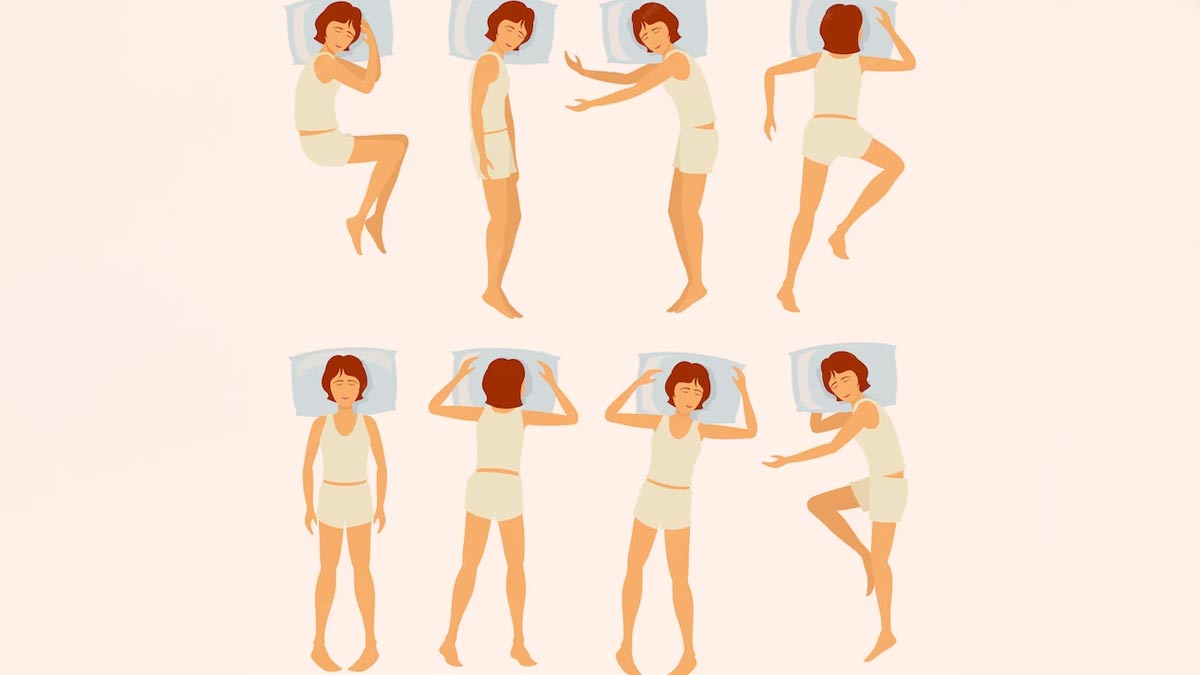
Best Sleep Positions for the Spine
According to Dr Srikantha, these two positions are the best to sleep in for your spine:
1. Sleeping on Your Back
Sleeping on your back is one of the healthiest choices for your spine. "This position keeps the spine, neck, and head aligned in a neutral position," said Dr Srikantha. It distributes weight evenly and minimises pressure points. To make it even better, slipping a pillow under your knees helps maintain the natural curve of the lower back.
Back sleeping also avoids the awkward twisting that often occurs when you turn to other positions. And, for people prone to acid reflux, it's a double win if elevating the head slightly with a wedge pillow helps their symptoms.
2. Sleeping on Your Side
If back sleeping feels uncomfortable, the second-best option is side sleeping, particularly the fetal position. The trick lies in doing it right. Place a pillow between your knees, advised Dr Srikantha. “This prevents the pelvis from tilting forward and reduces strain on the lower back,” he shared.
If you prefer sleeping on your left side, that's even better for digestion and circulation. Just make sure your pillow supports your neck well enough, so your head isn't angling downwards or upwards through the night.
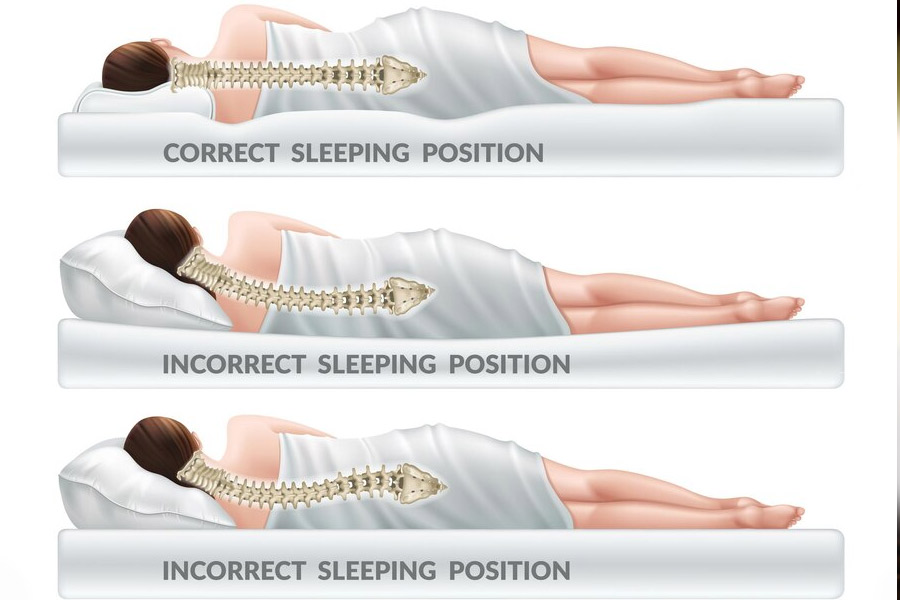
Sleep Positions That Might Hurt Your Spine
On the other hand, these sleeping positions might be hurting your spine:
1. Sleeping on Your Belly
Sleeping on your belly might feel comforting, but stomach sleepers pay for it. This position can force your neck to twist to one side, placing stress on both the cervical spine and lower back, added Dr Srikantha. The midsection also sinks into the mattress, exaggerating the curve of the lumbar spine and placing long-term strain on it.
If you absolutely can't fall asleep any other way, he recommended placing a thin pillow under your hips to reduce the exaggerated arch of the lower back, and using the thinnest pillow possible or none under your head.
2. Twisted, Half-Stomach-Half-Side Positions
For many people, a natural roll is into a position where one leg hikes up while the upper body rotates in the opposite direction. It feels instinctive, but it can be quite harmful. “These asymmetrical positions twist the spine for hours,” warned Dr Srikantha. This can irritate nerves, tighten muscles and worsen existing back problems.
Role of Mattress and Pillow for Spine Health
Even the best sleep position loses its benefit if your mattress or pillow doesn't support you. A mattress that's too soft can let the body sink unevenly, while one that's too firm may create pressure points. "Aim for a medium-firm mattress that supports the spine's neutral alignment," Dr Srikantha recommended.
About pillows, select one that fills the natural gap between the head and mattress, without propping the head too high or allowing it to fall back. Your pillow should help keep your neck in line with your spine.
Bottomline
More than most of us realise, our sleep position affects our spine. Making simple changes such as adding a knee pillow, elevating your legs, or perhaps avoiding stomach sleeping altogether, could help a long way in keeping your back healthy and pain-free.
Also watch this video
FAQ
1. Which sleeping position is the healthiest for the spine?
Sleeping on your back is considered best for spinal alignment, and side sleeping is second.2. Is sleeping on the stomach every night harmful?
Yes, sleeping on the stomach strains the neck and lower back and, over time, worsens spinal problems.3. Which mattress helps the best for back pain?
A medium-firm, supportive mattress can greatly reduce pressure on the spine and improve sleep posture.
Read Next
Ahead of World AIDS Day, Let’s Deep Dive On Why Condoms Are Flavoured, As Told By Dr Cuterus
How we keep this article up to date:
We work with experts and keep a close eye on the latest in health and wellness. Whenever there is a new research or helpful information, we update our articles with accurate and useful advice.
Current Version
Dec 04, 2025 17:04 IST
Modified By : Tanya SrivastavaDec 04, 2025 17:04 IST
Published By : Tanya Srivastava