

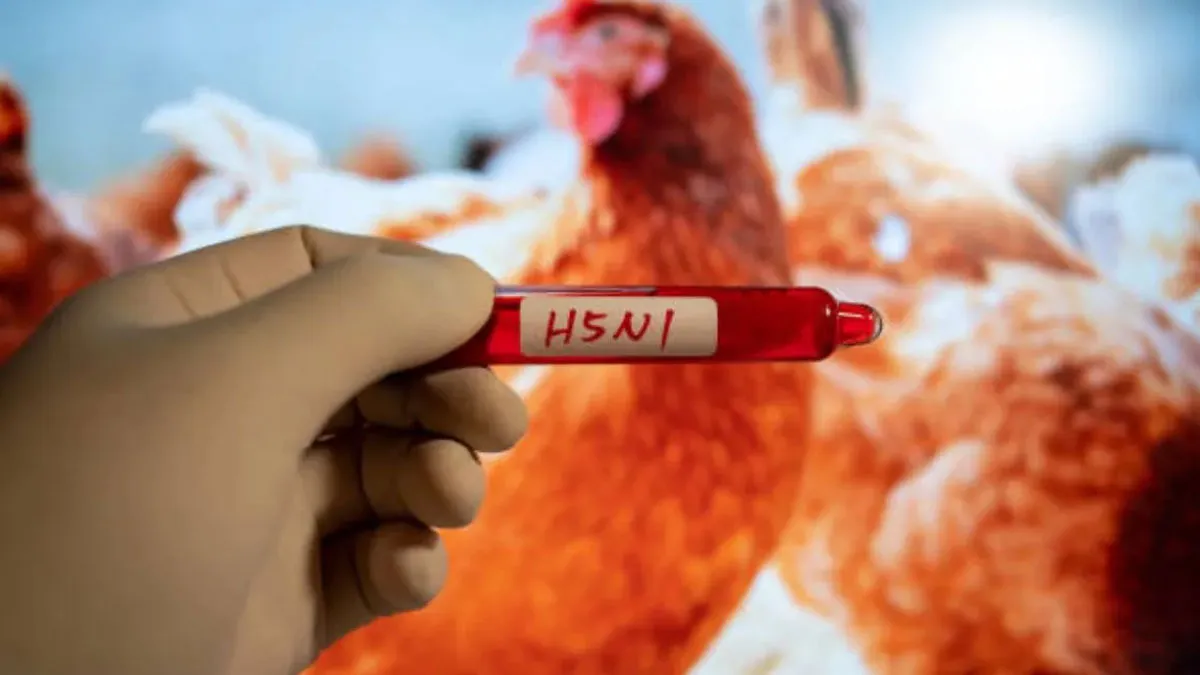
While the world struggles to fight and recover from air pollution, scientists are once again urging vigilance, warning of an impending danger posed by H5N1, which is commonly known as Bird Flu, an avian Influenza Virus. H5N1 had been widely recognised as a potential threat to humanity, and not an upcoming one, until a new Indian study showed to the world just how silently and swiftly a spill-over may take place.
Table of Content:-
What is the H5N1 Virus?
H5N1 has circulated in birds for decades, mostly across South and South-East Asia. Although cases in humans are relatively rare, they often are serious. According to the World Health Organization, in the period between 2003 and August 2025, close to 1,000 human infections were reported in 25 countries, resulting in a substantial death toll of almost half of those infected.
The virus has now spread across other regions, including Asia. In the United States, it has spread significantly among birds, in dairy cattle in various states, and resulted in cases among dozens of human victims, majority of whom are farm workers. India recently sounded an alarm that this year when some of its large cats in a wildlife rescue in Nagpur died due to infection with the virus.
For human infection, the symptoms tend to be like that of a severe case of flu, including high fever, cough, sore throat, and sometimes infections of the eyes, while, presently, there has been no human-to-human transmission, which is the only situation that, according to experts, may lead this threat into a pandemic crisis.
ALSO READ- Can Your Gut Health Explain Your Insomnia? Find Out Here
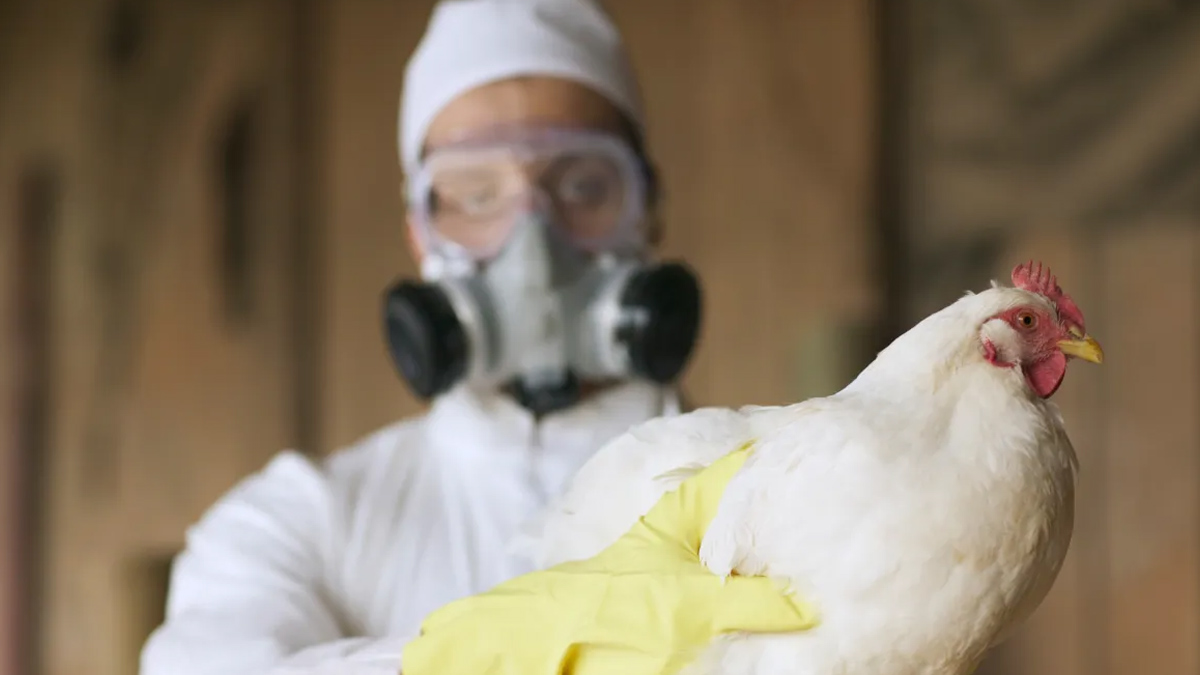
Is H5N1 The Next Outbreak
To understand how this situation can occur, scientists Philip Cherian and Professor Gautam Menon of Ashoka University conducted computer simulations to predict what could happen if there was an outbreak of H5N1 among humans. The results, published in the journal of BMC Public Health, are more about being prepared than frightening.
The researchers used an open-source software platform called BharatSim, designed to simulate daily life, originally used for studying the pandemic COVID-19. The researchers created a simulated model of rural daily life in the Indian village, in the region of Namakkal District, in Tamil Nadu, also one of the biggest poultry centers in the Indian subcontinent. The area is densely populated with farms and markets, providing the perfect backdrop for the transfer of bird flu from birds to human populations.
Importance of Timing for H5N1
According to the simulation, an epidemic could begin with something as mundane as a sick bird transmitting the virus to a farmer or market vendor. The real challenge emerges if the virus mutates sufficiently to pass from person to person.
Therefore, early intervention makes a difference, according to the research because isolating the close contacts when there are only two human cases can ensure containment. On the other hand, once there are about ten cases, the virus might have spread already.
How to Prevent H5N1 Outbreak
According to other medical experts, not all strains of the flu are equally transmittable among humans. Only a fraction of those who are infected may actually be transmitters of the disease. However, if H5N1 becomes adapted to humans, the disruption might look something like what we saw during the swine flu pandemic of 2009.
In addition, experts also believe that India is ready for this. There are antiviral medications that work against H5N1 that have existed for a long time, and there are also stores of H5N1 vaccines. At present, health officials remain alert to the threat posed by H5N1. While risk is low, preparedness, not panic, is the best protection.
Bottomline
While the bird flu strain, H5N1, has not yet mutated to facilitate its widespread transmission among humans, a new model demonstrates the ability to contain an outbreak before a possible pandemic.
Also watch this video
FAQ
1. Is H5N1 transmissible among humans?
As of now, researchers have not observed sustained human-to-human transmission, although the virus is being carefully monitored for any mutations.2. What are the symptoms of H5N1 in humans?
Fever, cough, sore throat, muscle aches, and possibly conjunctivitis or respiratory illness.3. Are we ready for a human pandemic by the H5N1 bird flu virus?
Yes, compared to the past, antiviral drugs and candidates for vaccines are already available, but early detection is a key component.
How we keep this article up to date:
We work with experts and keep a close eye on the latest in health and wellness. Whenever there is a new research or helpful information, we update our articles with accurate and useful advice.
Current Version
Dec 19, 2025 13:59 IST
Published By : Tanya Srivastava