

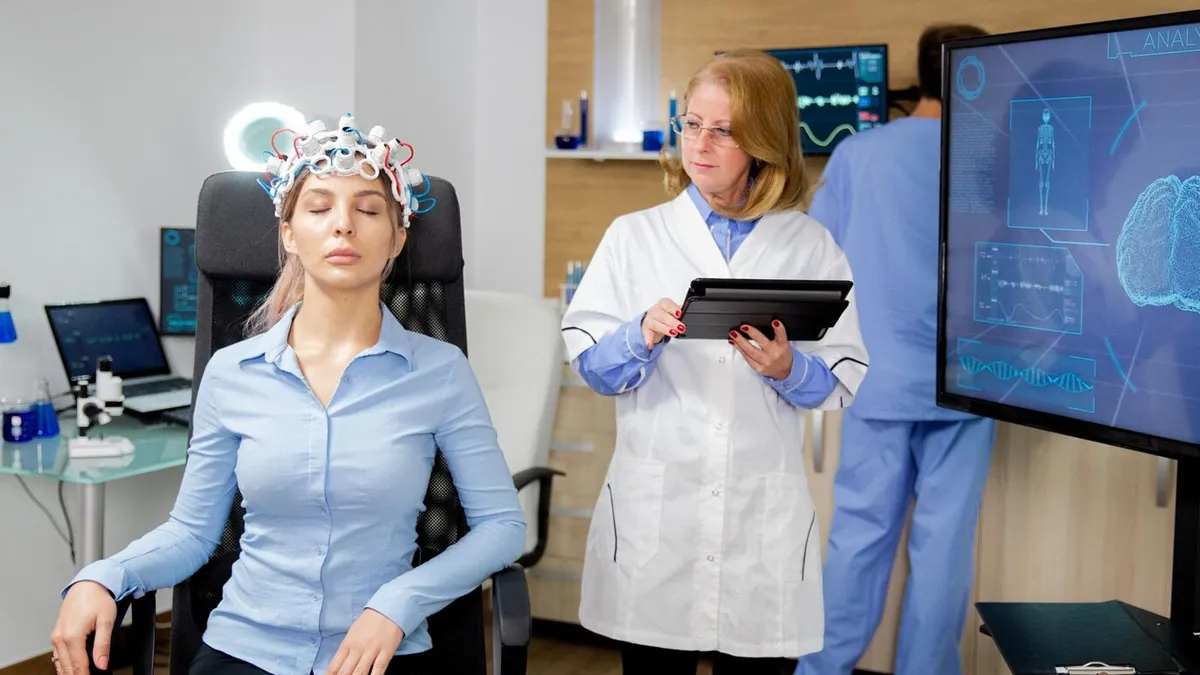
Artificial Intelligence (AI) has touched and revolutionised every sector across the world, changing job markets to how people live their lives. With debates continuing over whether AI's over powering humans, there is no denial about its growing impact on the healthcare sector. Not just on surface-level applications, AI has now transformed stroke diagnosis and even its treatment. In cases such as stroke or heart attack, every minute counts and AI-backed scans are helping medical professionals act faster.
Table of Content:-
To understand how AI - powered scans are helping in stroke diagnosis, prediction, and its potential risks, we spoke to Dr Keni Ravish Rajiv, Senior Consultant - Neurology and Head of Epilepsy Services, Aster Whitefield Hospital, and Dr Madhukar Bhardwaj, Director & HOD, Neurology, Aakash Healthcare.
AI-Backed Scans In Diagnosis
Early identification of acute stroke is critical for initiating prompt intervention to reduce morbidity and mortality. According to American Journal of Neurology, AI can help with various aspects of the stroke treatment paradigm, including infarct or haemorrhage detection, segmentation, classification, large vessel occlusion detection, Alberta Stroke Program Early CT Score grading, and prognostication.
During the discussion, Dr Keni Ravish Rajiv explained, “What used to take clinicians a substantial amount of time to detect arrhythmias, structural disease, and rising risk is now performed in minutes. The first ones to detect ECs, plus, ALSP can prioritise high-risk patients and tailor interventions. The time to treatment gets shortened, and the outcomes get better. “
He added that AI cuts down the time required for triage by quickly detecting and then automatically flagging critical changes in scans such as large-vessel occlusions, which demands immediate attention. This provides notifications to the teams involved in stroke cure and, therefore, shortening the time counted from the arrival to the start of the treatment or to the beginning of the first part of the catheterisation procedure.
Predicting Stroke Risk
Speaking about stroke prediction, especially for cardiac patients, Dr Madhukar Bhardwaj mentioned that AI is helping us move from treatment to prevention, which is a major change. “A patient came with sudden weakness. We did a CT scan, and the AI software picked up a blockage in less than a minute. We immediately started treatment, and the patient recovered without any paralysis. Earlier, such a diagnosis could take 20–30 minutes," he shared.
“In patients with heart conditions, especially those with irregular heartbeat like atrial fibrillation, AI can study ECGs and reports to find who is more likely at higher risk of stroke. It picks up patterns not easily seen by the human eye and based on that, we prescribe medicines like blood thinners early and guide lifestyle changes, “ Dr Bharadwaj explained.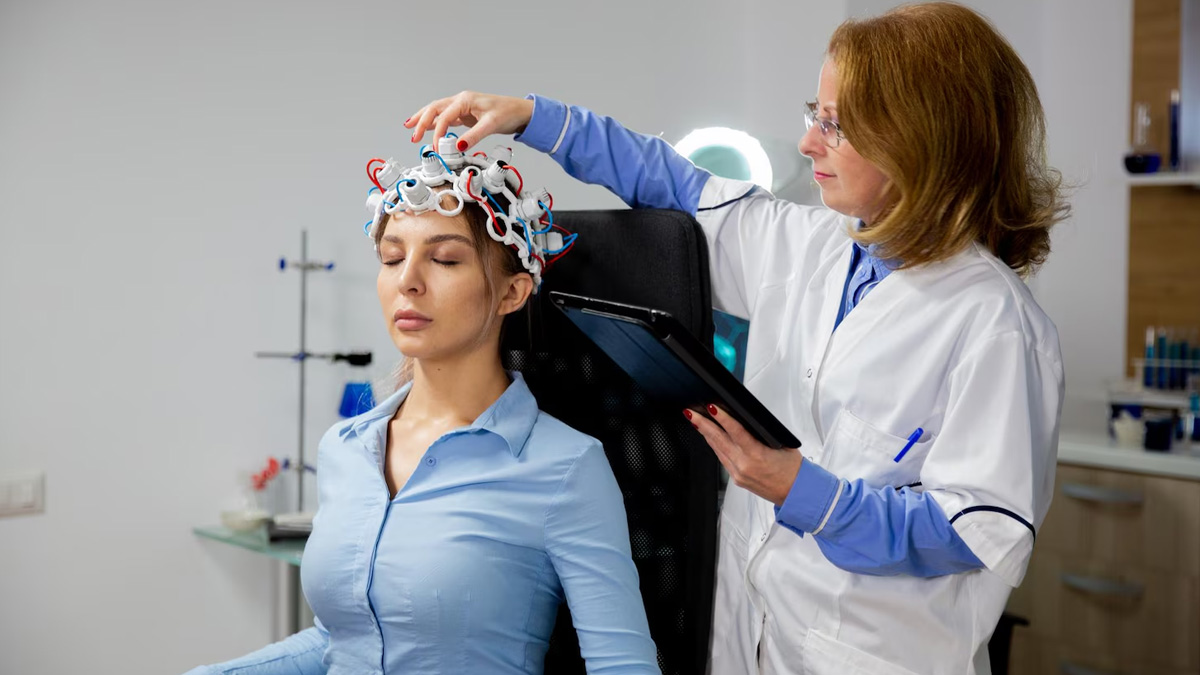
Dr Rajiv added, “Machine-learning models grasp the idea from ECG features collected over time, imaging, the patient's history, and biomarkers and eventually become able to predict one-sided atrial fibrillation and stroke risk more accurately than traditional scoring systems in certain groups.”
How Reliable AI Tools Are?
With the rapid technological advancement in AI and machine learning, these tools are becoming quite reliable, however one can not rely on them hundred percent. “ AI helps speed up diagnosis and reduce human error, but medicine is still about judgement, experience, and understanding the patient - not just the scan or numbers. That's why the final call always comes from the doctor,” Dr Bhardwaj emphasised.
According to Dr Rajiv, there are several AI systems for acute stroke imaging (CT/MRI) that demonstrate very high sensitivity and specificity for the identification of ischemic lesions and large-vessel occlusion. In emergencies such as stroke or heart attacks, AI tools significantly reduce the time between scan to action, eventually saving lives.
AI In Stroke Recovery and Rehabilitation
After a stroke, recovery can be slow and frustrating and AI is now helping in this phase too. Dr Bharadwaj shared examples of robotic arms and AI-based physiotherapy tools that guide patients through exercises and track their daily progress. “There are even speech and movement apps that adjust difficulty based on how the patient is doing. I’ve seen patients regain hand strength faster with these smart tools,” he said.
Dr Rajiv elaborated, “AI makes rehabilitation more effective by tailoring patient therapy plans, facilitating virtual reality and gamified exercises that change in real-time with patient progression, directing robot-assisted walking and upper-limb training. This employee uses computer vision to objectively measure movement and progress." AI gives hope where recovery once felt very slow and keeps both patient and doctor encouraged.
Also Read: AI in Diagnostics: How Technology is Making Healthcare Faster and More Accurate
Potential Risks or Challenges
AI is a great tool, but like all machines, it also comes with challenges and limitations. If the data used to train an algorithm is incomplete or unbalanced, results can be inaccurate. “Sometimes, the system may over-report or under-report a problem. Also, not all hospitals have the same quality of AI software. Cost, training, and data privacy are real concerns. The doctor must always review and decide the next step,” Dr Bharadwaj cautioned.
Dr Rajiv highlighted algorithmic bias as a major risk factor. He shared, “Models trained on certain demographics but tested on others, performance in different ethnicities, ages or types of scanners types. Over-utilisation can lead to false positives or negatives resulting or even miss treatment windows.” He also warned about issues like data security, regulatory differences, and lack of interpretation (black-box models), which make clinical acceptance complex.
Bottom Line
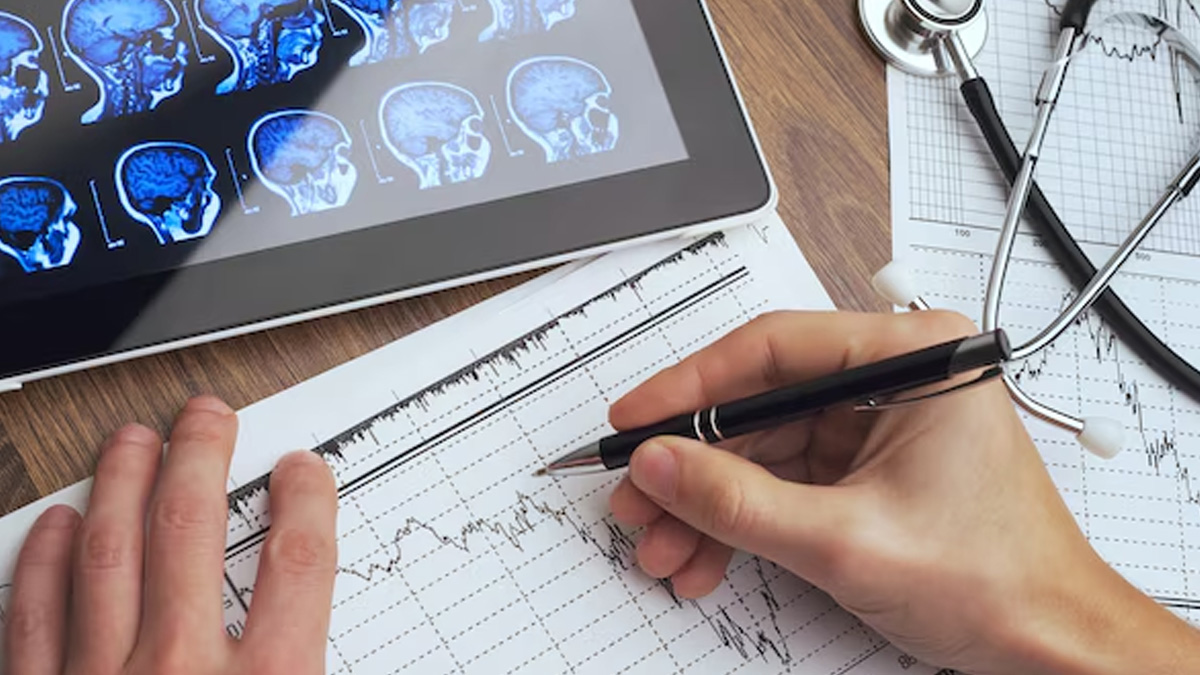
Every single minute matters in cases of Stroke and cardiovascular disease and AI tools are not just improving the diagnosis but also assisting in prediction, recovery and rehabilitation. However, like in all the other sectors, AI in stroke diagnosis comes with its own challenges and risks. AI can only be a part of team work but doctors should never rely on its results as human expertise, and clinical judgement still remain the most important step in saving lives.
Also watch this video
FAQ
How Is AI Used In Healthcare?
With technological advancement, AI is now used for various purposes in healthcare, such as diagnosis, drug development, timely prediction, and personalised therapies.Are AI Tools Reliable In Stroke Diagnosis?
With time, AI tools are becoming quite reliable, however, doctors should still not rely on these tools one hundred percent.Can AI Replace Cardiologists And Neurologists?
No, AI can not replace cardiologists and neurologists, as clinical judgement still remains the most important step in saving lives.
How we keep this article up to date:
We work with experts and keep a close eye on the latest in health and wellness. Whenever there is a new research or helpful information, we update our articles with accurate and useful advice.
Current Version
Dec 07, 2025 02:22 IST
Published By : Sameeksha Sharma