

Many couples believe that having unprotected sex right after a period is “safe.” You’ll often hear people say things like, “I just finished my period, so nothing can happen, right?” But the truth is a bit more complicated. A woman’s cycle can vary from month to month, and the fertile window isn’t the same for everyone. That’s why depending only on “safe days” can sometimes lead to confusion and accidental pregnancies.
Table of Content:-
To understand this better, we reached out to Dr Manjeet Arora, Clinical Director – Obstetrics and Gynecology, Cloudnine Hospitals, Kailash Colony, New Delhi who helped explain how fertility windows work and why unprotected sex carries risks beyond pregnancy.
What Expert Explains About Unprotected Sex After Periods
Dr Arora shared that the chance of getting pregnant immediately after periods is “a very remote possibility,” but not zero.  Here’s how she explains it:
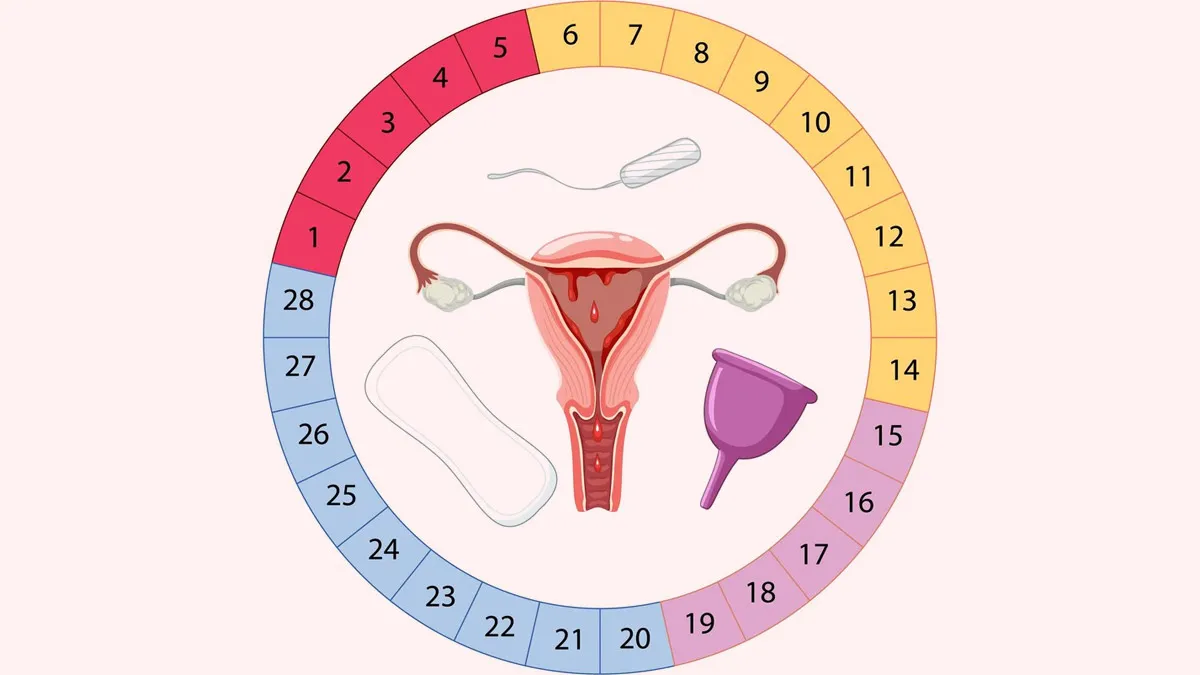
- Ovulation generally happens from Day 12 to Day 16 of the menstrual cycle.
- More accurately, ovulation occurs 14 days before the next expected period.
- The 14-day phase after ovulation is fixed, but the timing before ovulation can vary from woman to woman.
- Because of this, your shortest and longest cycles matter when calculating the fertile window.
Are Days Right After Your Period Safe?![]()
According to Dr. Arora:
- Having sex on Day 5, 6, or 7 of your cycle usually carries very low chances of pregnancy.
- However, she stresses that this does not mean unprotected sex is “safe”, because:
- Pregnancy can still happen if ovulation shifts.
- Unprotected sex increases the risk of sexually transmitted infections (STIs).
- Genital infections can also be passed between partners.
ALSO READ- Period Sex vs. Regular Sex: What Changes and What Stays the Same
Understanding the Fertile Window
Dr Arora explains that:
- An egg survives for 24 hours after release.
- Sperm can survive for up to 72 hours inside the body.
- This creates a fertile window of about 4 days — three days before ovulation and one day after.
- If intercourse happens during this window, pregnancy is possible.
Examples Based on Cycle Length
To make it clearer, Dr. Arora gives practical examples:
If a woman has a 25-day cycle:
- Ovulation occurs around Day 11.
- Days 8 onward become unsafe for unprotected sex.
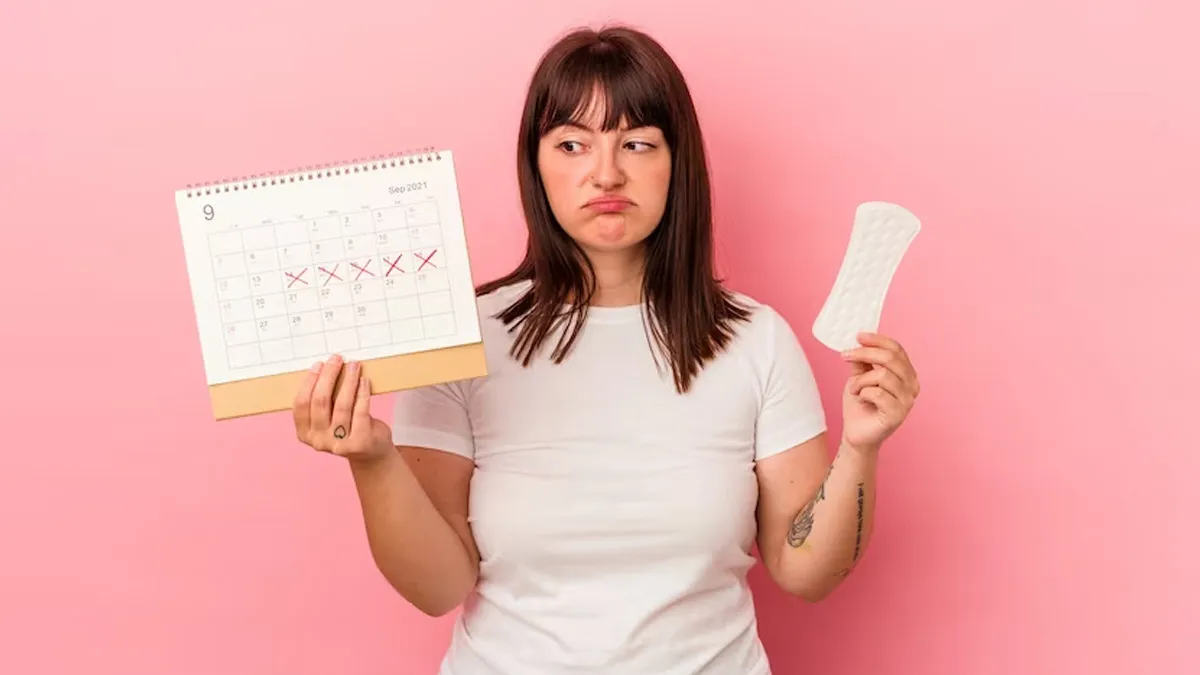
If a woman has a 35-day cycle:
- Ovulation occurs around Day 21.
- Days 18 to 22 are unsafe.
- This variation is why calculating “safe days” can become confusing and unreliable.
Why Relying on Safe Days Alone Is Risky
- Even though the risk of pregnancy is lower right after periods, Dr. Arora emphasises that safe doesn’t mean guaranteed.
- Here’s why depending only on cycle-tracking can be problematic:
1. Cycle Length Can Change
Stress, illness, sleep disturbances, travel, and hormonal shifts can delay or advance ovulation.

2. The ‘Safe Period Method’ Has a High Failure Rate
Many women miscalculate cycle days, and even a small miscount can shift the fertile window.
3. No Protection From STIs
Unprotected sex can transmit:
- viral infections (HIV, HPV, herpes)
- bacterial infections (chlamydia, gonorrhoea)
- warts
- genital fungal infections
Dr Arora warns that infections can pass from male to female and vice-versa even when symptoms are mild or invisible.
What Experts Recommend Instead
Dr. Arora strongly recommends following the double-dutch technique for protection:
- use a condom, along with a second contraceptive method such as:
- oral contraceptive pills (OCPs)
- intrauterine devices (IUCD)
- contraceptive injections
Condoms remain the most reliable protection against STIs and provide added pregnancy prevention. She also adds, “Condom failure (tearing or slipping) is the main concern, but emergency contraception is available when needed.”
If someone is unsure about ovulation, ovulation detection kits are easily available and can be used from Day 10 onward. If periods get delayed, or pregnancy is suspected, a gynecologist should be consulted immediately.
So, Is Unprotected Sex After Your Period Safe?
The short answer: It’s less risky but not completely safe. The expert explains that you may have a few low-fertility days right after your period, but this depends heavily on your cycle length and whether ovulation shifts. And because STIs and genital infections are also concerns, doctors do not classify any unprotected sex as fully “safe.”
A study published in the Journal of Obstetrics and Gynaecology Research found that ovulation can vary widely even among women with “regular” cycles. Researchers noted that many women ovulate earlier or later than expected, which makes natural tracking methods less reliable for preventing pregnancy. This supports why experts recommend using protection instead of depending only on “safe days.”
Conclusion
Unprotected sex right after your period may carry a lower chance of pregnancy, but it’s not risk-free. Ovulation timing can vary, and infections can still spread. The safest and most reliable approach, as Dr Manjeet Arora explains, is consistent condom use and, when needed, combining it with another method of contraception. If you prefer tracking cycles, ovulation kits can help but always pair them with protection to stay safe and healthy.
Also watch this video
How we keep this article up to date:
We work with experts and keep a close eye on the latest in health and wellness. Whenever there is a new research or helpful information, we update our articles with accurate and useful advice.
Current Version
Dec 08, 2025 17:26 IST
Published By : Vivek Kumar