


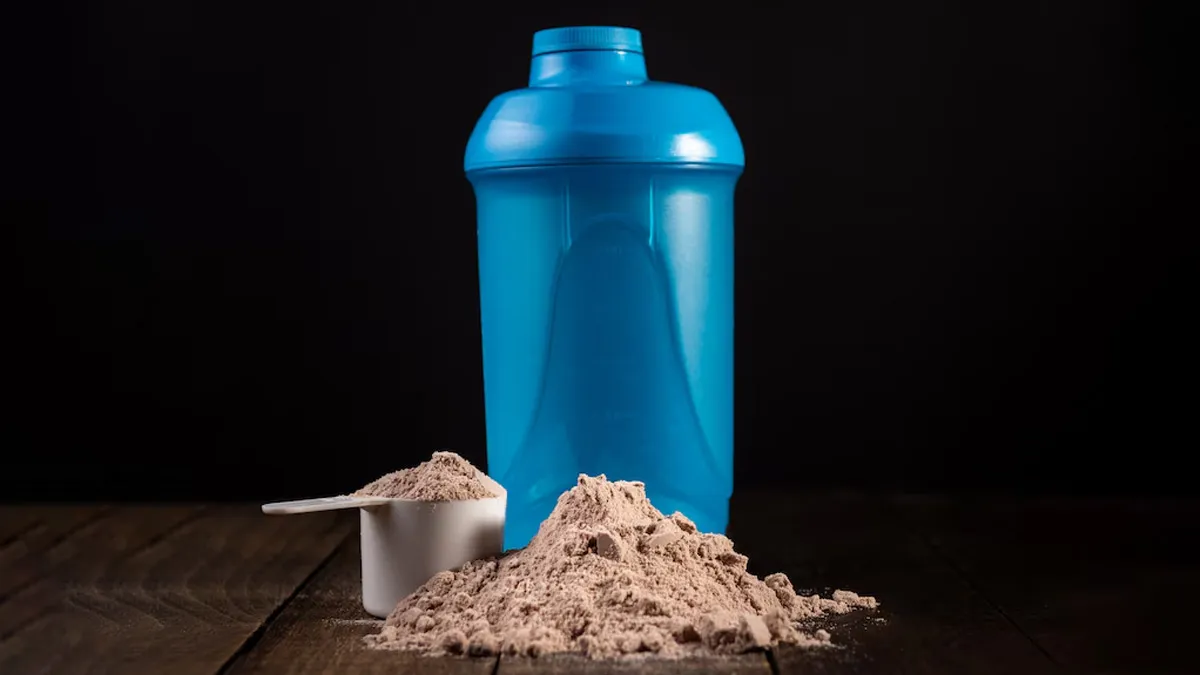
In the world of health and fitness, protein powders have long held a reputation as a convenient, often clean and healthy way to meet protein needs, especially for those lifting weights, building muscle, or skipping meals. However, what if that scoop of protein you trust carries heavy metals that are actually doing more harm than good? Well, according to research there are some serious concerns. Read ahead to find out.
Table of Content:-
Are There Heavy Metals in Protein Powders?
A comprehensive assessment of protein powder supplements looked at the levels of heavy metals like Arsenic (As), Cadmium (Cd), Mercury (Hg), and Lead (Pb) in various products and attempted to quantify the risk for regular consumers.
That analysis used standard risk-assessment tools, like hazard quotients, cumulative hazard indexes, and predictions of the blood-lead level, to model what might happen if one consumed one to three servings daily. Their conclusion states that under average assumptions, heavy metal concentrations in tested powders did not immediately exceed thresholds associated with serious human‐health risks, while keeping adult blood lead levels remained under recommended limits.
ALSO READ- Do You Burp or Fart After Eating Protein? Expert Explains The Causes and Solutions
That said, the authors noted, and many public‐health experts emphasize that the risk isn't entirely negligible. With repeated, long-term use, or consumption of multiple servings a day, heavy metal exposure could accumulate over time, possibly contributing to chronic health problems.
Why Some Powders Are More Risky
A separate 2025 report by a consumer-safety nonprofit found that many popular protein powders, especially plant-based, organic, or chocolate-flavored, had alarmingly high levels of lead and cadmium. Here is what the report finds:
- The report tested 160 products from 70 top supplement brands.
- On average, plant-derived protein powders contained about three times more lead than whey-based ones.
- Chocolate-flavored powders tended to fare the worst, with concentrations of cadmium many times that of their vanilla-flavored or unflavored counterparts in certain instances.
The difference is mainly due to how heavy metals make their way into the food chain. Plant proteins are often derived from crops like peas, rice, soy that absorb minerals including toxic metals from the soil. If the soil is contaminated due to industrial pollution, pesticides, or mining activity, those metals show up concentrated in the harvested plants.
ALSO READ- Can Protein Supplements Be the Culprit Behind Your Acne Problems?
What Heavy Metals in Protein Powders Could Mean for Health
Heavy metals are not something to be taken lightly. According to another study, with repeated or high-level exposure, heavy metals accumulate in organs like bones, kidneys, and the liver and disrupt the normal biological processes of the body. Long-term exposure is even linked with kidney damage, bone weakening, neurological problems, or increased cancer risks.
Even if one serving does not lead to harm, the concern is with the cumulative effects over years, especially in people who use protein powders daily, or in high doses.
How to Protect Yourself from Heavy Metals in Protein Powders
If you use or are thinking of using-protein powders, here are practical steps to minimise potential risk:
- Prefer whey or animal-based protein powders over plant-based ones, unless the product comes with credible third-party testing for heavy metals.
- Avoid or limit chocolate-flavoured varieties, which tend to show higher contamination in tests.
- Use protein powder sparingly, and use it as a supplement, not as something you consume on a daily basis.
- Emphasise whole-food protein sources, such as lentils, beans, eggs, dairy products, chicken, fish, and the like. Consume protein powders only where absolutely necessary.
- Check to see if it's certified by a trusted lab. Some independent labs offer contaminant testing but also be aware as even labeling or organic claims don't guarantee safety.
Bottomline
Convenience can come in powders, but with hidden contaminants, too. Although most powders will not cause immediate health harm when consumed in moderation, long-term frequent or high-dose consumption can lead to chronic heavy metal build-up in the body. Make smart choices and use in moderation and vary your sources of protein.
Also watch this video
FAQ
Q: Does heavy metals in protein powder mean one must avoid all protein powders?
A: Not necessarily. The studies show that many powders remain within acceptable thresholds, but the risk increases with frequent, high-dose use. Moderation and informed selection matter.Q: Are plant-based protein powders always dangerous?
A: No. Plant-based powders tend to have higher levels of heavy metals on average-but not all of them are contaminated. If a product comes with credible third-party testing and passes heavy metal screening, it can be safer.Q: Can regular foods give me heavy metals?
A: Yes. Heavy metals can be found in soil, water, and many foods, but the concern with supplements is concentrated doses and repeat exposure. A balanced diet with varied whole foods remains the safest way to meet protein needs over time.
How we keep this article up to date:
We work with experts and keep a close eye on the latest in health and wellness. Whenever there is a new research or helpful information, we update our articles with accurate and useful advice.
Current Version
Jan 03, 2026 15:03 IST
Published By : Tanya Srivastava