

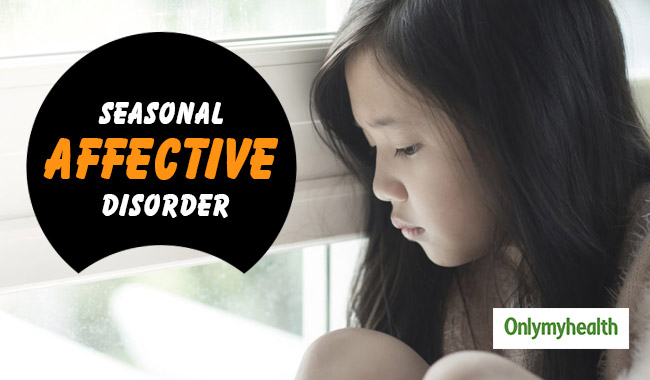
When winters knocks on your front door, your children might not seem as happy as they used to be. This change in mood could be a result of seasonal affective disorder.
Also read: Causes of Depression in Children
What is Seasonal Affective Disorder (SAD)?
SAD is a form of depression which follows a seasonal pattern. As the days become shorter and winter closes in, the affected person experiences classic symptoms of depression and as spring approaches, the symptoms dilate and the victim returns back to normal. This is known as seasonal affective disorder.
A study conducted by the American Journal of Psychiatry studied 7 children with symptoms of seasonal affective disorder. These children experienced fatigue, irritability, school difficulties and sleep changes (symptoms of Seasonal Defective Disorder) during the winter months. The team exposed the kids to bright environmental light which reversed these symptoms and improved their mood and behaviour. Considering the study, we can say that children get affected by seasonal affective disorder in the winter season. Let's specifically take a look at seasonal affective disorder in children.
Seasonal affective disorder draws out symptoms like fatigue, over-indulgence and depression. According to a survey coordinated by Normal Rosenthal, M.D. and the National Institute of Mental Health (NIMH) – approximately three percent of children suffer from Seasonal Affective Disorder and it is the most prevalent form of depression in the last years of high school (ages 16-18).
Symptoms of Seasonal Affective Disorder
The most obvious symptom of a seasonal affective disorder in children is a noticeable change in the character, mood and overall disposition of the child as winter approaches. Are they socializing with their friends as much? Have their grades in school dipped a little since the start of term? Do they seem to be suffering from fatigue? Are they joining in the family discussions at meal-times?
You will know your child better than most and should notice a change in their general disposition. If they are normally jovial and loquacious, then look out for signs of sadness, frustration, self-criticism, sensitivity and feelings of hopelessness. Look out for feelings that seem to be out of character and don’t have any obvious reason.
There is obviously a chance that they are recovering from an isolated incident in their private lives, i.e. maybe they split with their boyfriend/girlfriend or they didn’t make the school sports team. It’s important to understand how or if they recover from the apparent symptoms. If they seem to be back to their normal selves come spring time, it is possible they are a victim of SAD. A true tell-tale sign will be if their mood and disposition fall to the same levels again the following winter.
Also read: Zap Seasonal Affective Disorder (SAD) with These Gadgets
Treatment of Seasonal Affective Disorder
If you are concerned about your child’s condition, then it might be worth discussing it with a physician. There are different treatments available for different degrees of seasonal affective disorder. Getting them to speak to a doctor may be a different matter entirely, but if it is obviously affecting the quality of their life and/or grades in school, then it needs to be considered.
Treatment for Seasonal affective disorder in children usually consists of the following:
- Anti-depressant medication therapy helps to provide respite from depression or SAD-related symptoms. Of course, teens will need to be monitored when they are on medication
- Photo-therapy and daylight exposure gets them out more during the daylight hours
- Counselling and talk therapy give them a chance to talk about their feelings and learn about why they are feeling down
Read more articles on Children's Health.
For more related articles, download OnlymyHealth app.
How we keep this article up to date:
We work with experts and keep a close eye on the latest in health and wellness. Whenever there is a new research or helpful information, we update our articles with accurate and useful advice.
Current Version