


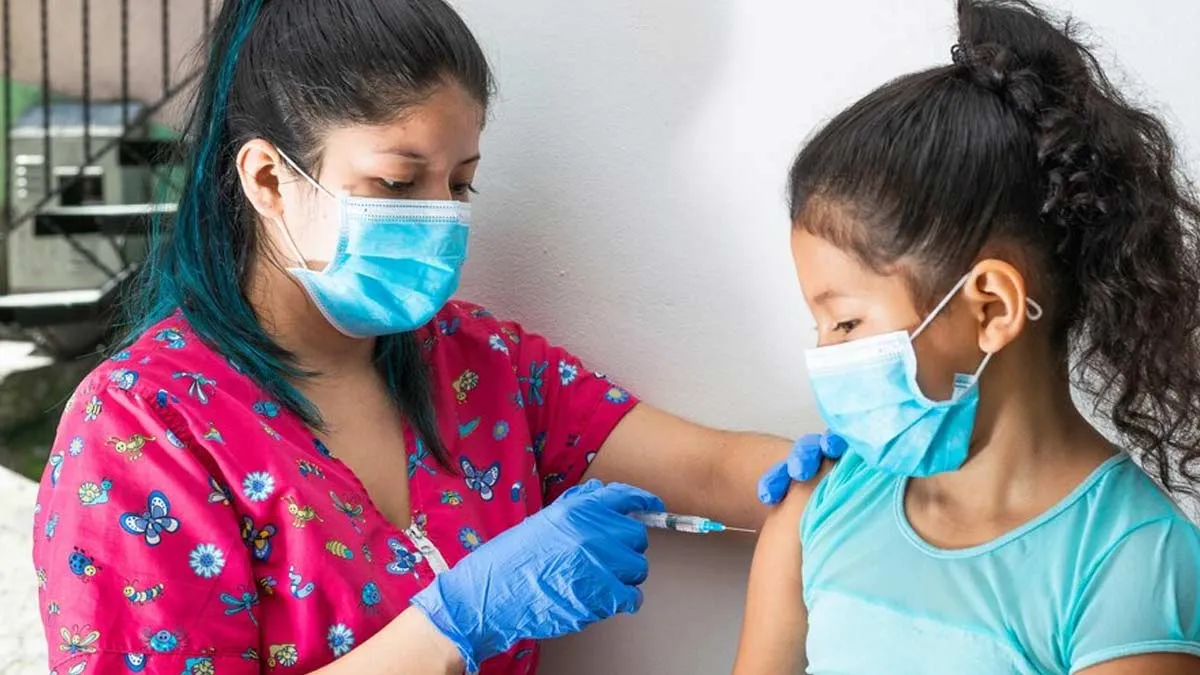
Every year, November 10th marks a day when the world celebrates World Immunisation Day, a reminder that vaccines are not just injections but a strong tool that shields communities, saves millions of lives, and prevents deadly diseases from spreading. At a time when new viruses continue to emerge and misinformation spreads at a fast pace, this day reinforces one message loud and clear: prevention is always better than cure.
Table of Content:-
Theme of World Immunisation Day 2025
The theme for World Immunisation Day 2025 is Immunisation for All is Humanly Possible. This theme advocates for the universal access to life-saving vaccines for everyone, underscoring the belief that this comprehensive goal is truly achievable. According to the World Health Organization and Bareilly International University, reaching this target requires concerted effort through collaboration, investment, and building public trust in vaccines. The release states that the campaign aims to increase the protection of children, adolescents, and adults against vaccine-preventable diseases by addressing and overcoming major challenges such as funding gaps and vaccine hesitancy.
Also Read: Do Vaccines Really Prevent Cervical Cancer? Find Out Here

History of World Immuniation Day
World Immunisation Day was established in 2012 by the WHO. This day marks the anniversary of a very important date in public health history. The date was specifically chosen to celebrate the success of the Expanded Programme on Immunisation (EPI), initiated in 1974. The programme, though simple and ambitious when initiated, sought to ensure that children worldwide receive vaccination against preventable diseases. At that period, access to vaccines was unequal and limited, particularly in low-income regions. EPI altered that course and made vaccines available around the world, setting the foundation for national immunisation programs in many countries.
But the history of immunisation goes way back. In the late 18th century, Edward Jenner developed the world's first vaccine, which was against smallpox, thus laying the ground for modern preventative medicine. This breakthrough paved the way for vaccines against tetanus, measles, influenza, and most recently, COVID-19, which then showed the world how quickly vaccines could save lives and stabilise public health during a global crisis.
Also Read: FDA Considers Limiting Future COVID-19 Vaccines to Seniors and High-Risk Groups
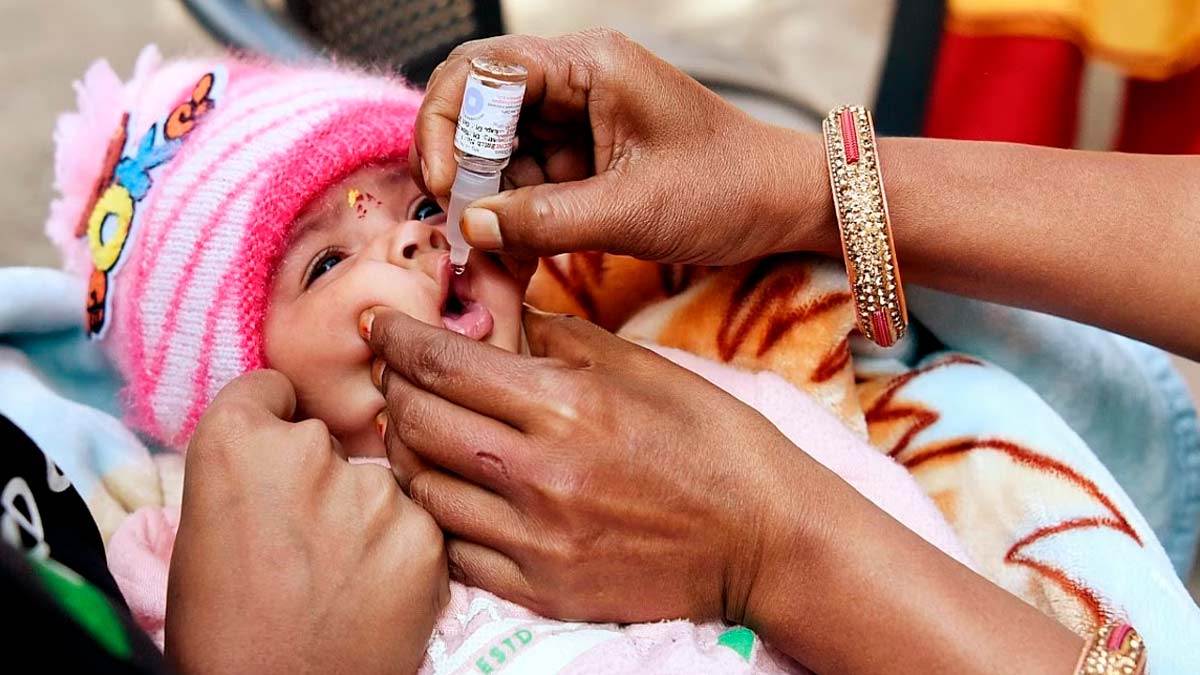
Importance of World Immunisation Day
Immunisation is not an individual concern; it's a matter of community safety. Vaccination works through the process of preparation of the immune system against future infections to give less severity or to avoid illness altogether. Here's why immunisation is so important:
1. Prevents Deadly Diseases
Vaccines have been instrumental in the eradication or control of the following life-threatening diseases:
- Smallpox has been completely eradicated.
- Polio is indeed at the threshold of its eradication due to aggressive immunisation drives.
- There has been a steady decline in measles and tetanus cases around the world.
2. Creates Herd Immunity
Vaccinations only work when a large part of a community is vaccinated, it creates a protective barrier that prevents the spread of infection, especially to those who can't get vaccinated for medical reasons.
3. Saves Millions of Lives Every Year
According to WHO, vaccines prevent four to five million annual deaths, mostly in children.
4. Cost-effective and Efficient
Vaccination reduces the rate not only of infections but also of long-term medical costs. Preventing an illness is far more affordable than treating it.
Vaccines have taken us from a world living in fear of smallpox to a world nearing the elimination of several infectious diseases. The future depends on continued awareness, accessibility, and trust in science.
Also watch this video
How we keep this article up to date:
We work with experts and keep a close eye on the latest in health and wellness. Whenever there is a new research or helpful information, we update our articles with accurate and useful advice.
Current Version
Nov 10, 2025 11:53 IST
Published By : Tanya Srivastava