

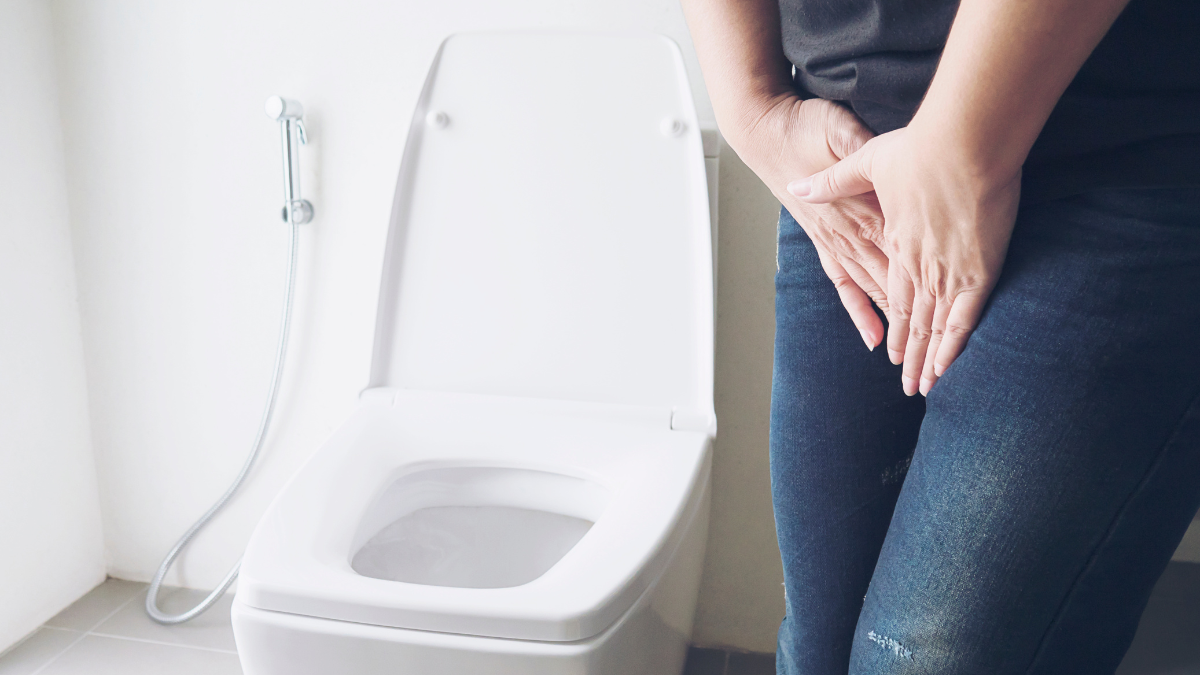
Have you noticed that as the temperature begins to drop, your visits to the bathroom are more frequent, or it becomes more difficult to control urine? If the answer is yes, it can be due to Urinary Incontinence (UI) or involuntary leakage of urine. Urinary Incontinence is a condition which is quite common, especially among women, but gets less discussed in conversations.
Table of Content:-
With the arrival of winter, those occasional leaks at times of sneezing, laughing, or coughing increase. At times, this not only leaves you in an uncomfortable and embarrassing situation in public, but also impacts your daily life. It is important to understand what increases urinary incontinence in winter among women and how one can manage this. For this, we spoke to Dr Jyoti Mishra, Director & HOD - Obstetrics & Gynaecology, Advanced Gynae Laparoscopic & Robotic Surgeon, Yatharth Super Speciality Hospital, Noida Extension.
What is Urinary Incontinence?
Urinary Incontinence is basically a condition in which a person is unable to control the movement of their bladder, leading to the accidental leakage of urine.
Explaining what urinary incontinence is, Dr Jyoti Mishra stated, “Urinary incontinence is the involuntary leakage of urine and can happen at any age due to loss of bladder control. It ranges from infrequent dribbling to complete inability to retain urine.”
According to the Cleveland Clinic, the risk of urinary incontinence increases as you get older, but it can happen to anyone, regardless of age and gender. About 62% of females aged 20 and older and 14% males have any kind of urinary incontinence.-1764168278076.png)
Dr Mishra also emphasises that it is more frequent in women due to hormonal and anatomical reasons and can have a considerable impact on daily routines and quality of life.
Reasons Behind Urinary Leakage in Women During Winter
Studies suggest that the prevalence of lower urinary tract symptoms (LUTS) is higher during winter than during summer. Dr Mishra also explained that symptoms of Urinary incontinence worsen in winter due to cold temperatures. She further shared the contributing factors and reasons behind the increase in urinary leakage in winter among women:
Also Read: What Is Autophagy? The Natural Process That Helped Sonali Bendre In Her Cancer Treatment
Less Sweat
The body produces less sweat in winter, and the kidneys compensate by making more urine. This leads to more frequent bladder filling and can cause more frequent urges to urinate or leak.
Higher Intake of Caffeine or Alcohol
To stay warm during chilly days, more women tend to drink more tea, coffee, or alcohol, which also irritates the bladder, eventually leading to more urine output and aggravating symptoms of incontinence.
Muscle Contraction
Pelvic and bladder muscles tighten in response to the cold. This decreases bladder capacity and makes it more difficult to resist sudden bladder urges.
Also Read: Big Screen Prognosis: Oscar-Winning Film, 'A Beautiful Mind', Depicts What It Is Like Living With Schizophrenia
Sniffles or Sudden Coughs
In winter, coughs and sneezes are very common due to cold weather or flu infections. These actions can put sudden pressure on the abdomen and can worsen stress incontinence in women.
When Do The Chances of Female Incontinence Increase?
According to the National Institute for Ageing, the muscles that support the bladder and rectum can become weak due to many reasons, such as increasing age, pregnancy, childbirth, or surgery. Weak muscles cannot keep the bladder and urethra closed, leading to unwanted urine leakage.
Dr Mishra shared, “The risk of urine leakage increases during pregnancy as hormonal changes and pressure on the bladder cause the pelvic muscles to weaken. However, apart from pregnancy, menopause and pelvic surgery, when oestrogen levels and muscle strength drop, can also be the cause of this condition.” Ageing also weakens the support of the bladder, making women more vulnerable to leakage.
Ways to Manage Female Incontinence in Winter
While urinary incontinence is a condition that is sometimes challenging to deal with, the good news is that it is manageable with medications and a few lifestyle changes. As per Dr Mishra, a few lifestyle changes can help you manage the symptoms:
- Avoid consumption of items that irritate the bladder, such as caffeine, tea, and alcohol.
- Keep the body warm to prevent muscles from tightening and sudden urges.
- Do pelvic floor (Kegel) exercises regularly to help support the bladder.
- Make sure you treat winter coughs early.
- Urinate on a fixed schedule to prevent dribbles.
- Eat foods that provide warmth, such as almonds and whole grains.
However, Dr Mishra advises that if you experience a persistent or increased urge to urinate, visit a medical professional, as a doctor can suggest medications depending on the severity of your condition.-1764168400057.png)
Bottomline
Urinary Incontinence is basically a condition where someone leaks urine accidentally, and it can happen to anyone at any age. However, its symptoms intensify during winter for several reasons. While the condition can put you in an embarrassing situation many times, the good part is that its symptoms can be managed with a few lifestyle adjustments and medications.
Also watch this video
FAQ
Can cold weather cause urinary incontinence?
Yes, cold weather can cause urinary incontinence or worsen its already existing symptoms due to a temperature drop.How can I stop urinary incontinence fast?
To manage urinary incontinence symptoms, you can make necessary lifestyle changes such as limiting the consumption of alcohol and caffeine and practising pelvic floor workouts regularly.
How we keep this article up to date:
We work with experts and keep a close eye on the latest in health and wellness. Whenever there is a new research or helpful information, we update our articles with accurate and useful advice.
Current Version
Dec 16, 2025 17:30 IST
Published By : Sameeksha Sharma