


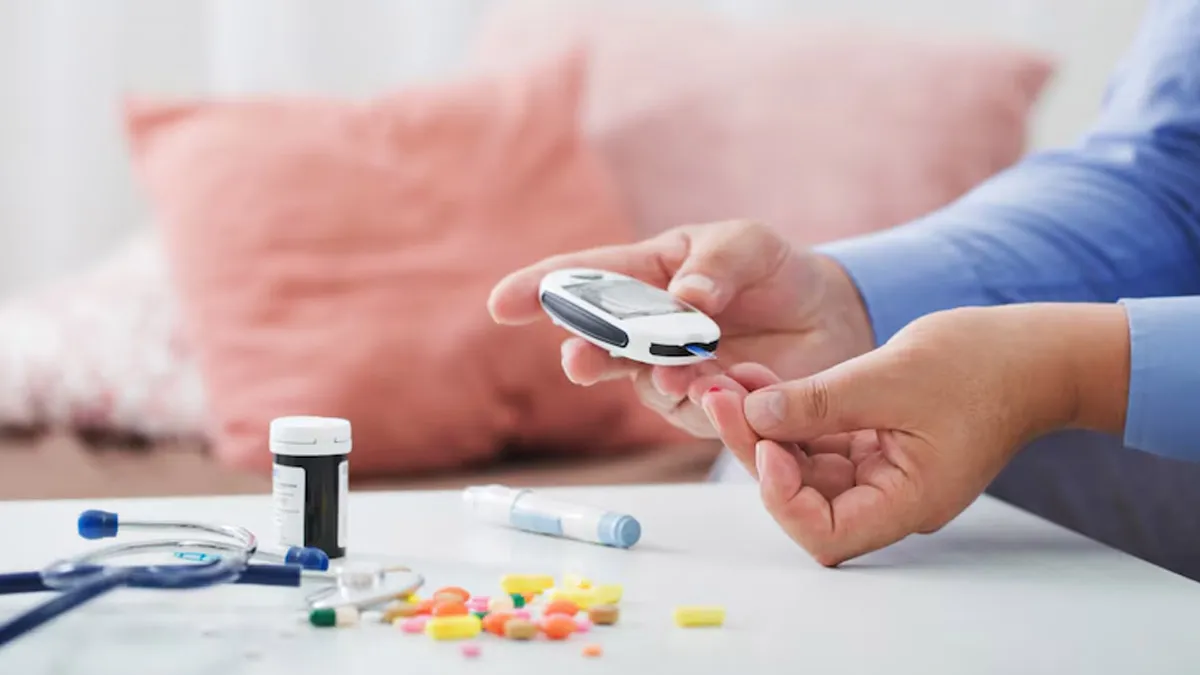
Type 2 diabetes is a condition wherein the body struggles to utilise insulin correctly, making the blood sugar levels rise. Managing the condition needs a fine balance between medication and diet with lifestyle changes, and in some cases, supplements. The trouble comes in when those supplements are seemingly harmless, but tend to affect glucose control in ways most people don't notice until symptoms appear.
Table of Content:-
In an exclusive interaction with the editorial team of Onlymyhealth, Dr Sarika N Holla, Consultant General Physician and Diabetologist, Kinder Hospitals, Bangalore, explained to us that supplements can complement a healthy lifestyle, but they should never be used without guidance, especially for the management of diabetes because even natural ingredients can alter blood sugar responses.
Supplements You Should Avoid If You Have Type 2 Diabetes
Here are five supplements that one should totally avoid if they have type 2 diabetes:
1. Vitamin E
Vitamin E is widely promoted as an antioxidant hero, a friend to skin and immunity. However, Dr Holla stressed that in high doses, it may raise the risk of bleeding and interfere with medications commonly prescribed for those with Type 2 diabetes, such as blood thinners.
According to studies, excessive intake of Vitamin E could worsen insulin resistance, thus making the regulation of blood sugar levels difficult. “Avoid high-dose Vitamin E supplements unless your doctor specifically recommends them,” shared Dr Holla.
2. Vitamin B3 (Niacin)
Vitamin B3 is helpful for metabolism and cholesterol. However, for diabetics, it can raise blood sugar levels considerably. Dr Holla noted that niacin can reduce your body's sensitivity to insulin, thus the cells respond poorly to insulin, causing spikes in glucose. If you are taking niacin because of cholesterol, talk to your doctor about switching to a safer alternative.
3. Chromium
Chromium is widely promoted as a blood sugar mineral, but few people realise that excessive intake of chromium is harmful. “In people with Type 2 diabetes, chromium supplements have been known to cause kidney problems, stomach upset, and unpredictable fluctuations in blood sugar levels,” she said. Dr Holla also emphasised that even though chromium is important in minute quantities, supplementing without supervision can do more harm than good.
4. Protein Powders That Have High Glycaemic Index (GI)
Protein shakes are popular among people who are into working out, but not all protein powders are diabetes-friendly. Some contain added sugars, maltodextrin, or high-GI carbohydrates that send sugar levels through the roof. Here how to identify rhem:
- Check that they contain sweeteners such as dextrose or corn syrup solids.
- Avoid mass gainer powders
- Opt for plant-based or whey isolates that contain no added sugar.
According to Dr Holla, people with diabetes should focus on whole-food protein sources like eggs, dals, paneer, nuts, and lean meats.
Also Read: Is Coconut Oil Good for Diabetes? Expert Shares
5. Alpha-Lipoic Acid (ALA)
Many people take ALA for nerve health, particularly diabetics with neuropathy. However, one should not be taking it casually. This may be because ALA can lower blood sugar too quickly, or it can interact with medications taken for diabetes, leading to hypoglycemia, or dangerously low levels of blood sugar.
Additionally, it is not ideal for those suffering from thyroid problems, hence, such supplements are to be taken only under medical supervision.
Safer Alternatives to Consider
Dr Holla noted that supplements are only necessary when there is a diagnosed deficiency. She therefore listed some safer alternative of these supplements for diabetics:
- A balanced, fibre-rich diet
- Regular physical activity
- Adequate hydration
- Manage stress
- Improve sleep quality
Bottomline
While supplements seem harmless, some can worsen blood sugar control or interact with medications. If you have Type 2 diabetes, always consult your doctor before adding anything new to your routine.
Also watch this video
FAQ
1. Are supplements entirely unsafe for people who have Type 2 diabetes?
No, many are safe when taken under guidance. The problem arises when supplements are taken without checking how they interact with your medications or blood sugar levels.2. Can food-based vitamins replace supplements?
In most cases, yes. A diet balanced with fruits, vegetables, whole grains, and protein will provide most of the needed nutrients without the risks that supplements might involve.3. Should I immediately stop a supplement if I observe high blood sugar?
Do not stop abruptly. Speak to a doctor; they will help you understand whether the supplement is the cause and guide you safely.
How we keep this article up to date:
We work with experts and keep a close eye on the latest in health and wellness. Whenever there is a new research or helpful information, we update our articles with accurate and useful advice.
Current Version
Dec 25, 2025 16:52 IST
Published By : Tanya Srivastava