


For many years, the debate about fertility was primarily a female issue. But clinics today are warn that men are increasingly at the centre of the concern. Lower sperm counts, poor motility, erectile dysfunction, and hormonal imbalances are showing up earlier than ever, even among men who appear fit on the outside.
Table of Content:-
In an exclusive interaction with the editorial team of Onlymyhealth, Dr Namrata Gupta, Senior Consultant - Obstetrics and Gynaecology, CK Birla Hospitals, Jaipur, explained that it’s not an accident that there’s a mismatch, but an indication of the conflict between modern living patterns and male biology. “And as a clinician, I see fallouts firsthand. Men in their 20s and early 30s are showing fertility issues that once belonged to men in their 40s,” she shared. Here is everything she shared with us.
Role of Heat and the Screen Trap in Male Fertility
Among the factors that remain most unrecognized in male infertility, is the persistent heating of the testes. Dr Gupta recalled a 29-year-old gamer and coder who was shocked by his poor semen report. He didn’t smoke, exercised regularly, and considered himself healthy. However, his laptop resided on his lap, his cell phone remained in his pocket, and his bedtime was after midnight every day.
“This is enough heat exposure to reduce the production of sperm and affect the DNA,” according to Dr Gupta.
ALSO READ- What Does Magnesium Do For Male Health? Expert Debunks!
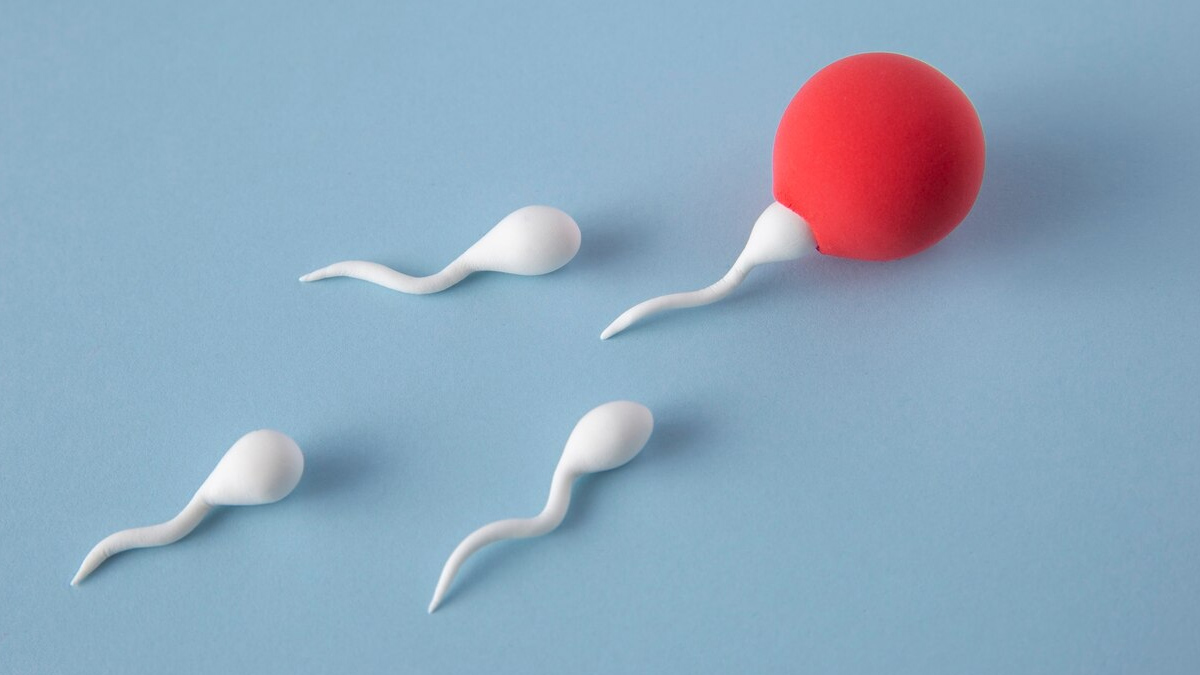
In addition to that there was also excessive screen use, late-night gaming, and endless scrolling, which compounded the effects. Blue light prevents melatonin secretion, which in turn disrupts sleep patterns, decreases testosterone levels, and increases stress hormones, creating an ideal scenario for reducing oxidative stress, an enzyme-catalysed process that damages sperm DNA and reduces fertility capacity.
Stress, Hormones, and the Male Reproductive Axis
But beneath the loss of sperm quality, the role of stress in our lifestyles is equally accountable. Long work hours, constant performance pressure, digital overload, and mental fatigue keep cortisol levels persistently high. High cortisol directly suppresses testosterone production. Low testosterone doesn’t just affect fertility but also impacts:
- Erectile function
- Sex drive
- Energy level
- Mood and emotional regulation
According to Dr Gupta that irritability or short temper many men feel at times is often hormonal, and not just psychological.
Male Fertility and Alcohol, Drugs & Hormonal Sabotage
Substance abuse is the fuel that accelerates male infertility. Here’s how:
- Alcohol reduces testosterone secretion, increases estrogen levels, and damages sperm DNA.
- Marijuana, vaping, stimulants, and recreational drugs affect spermatogenesis and erection.
- Anabolic steroids, which are used by body builders to increase muscle size, may completely stop one’s natural sperm production.

Is Sleep and Male Fertility Linked?
Testosterone peaks during deep sleep. Repeated sleep deprivation or erratic routines send a clear message to the body to conserve energy.
“Reproduction is the first system the body downregulates when survival feels threatened,” Dr Gupta added.
Expert-Approved Tips To Protect Male Fertility
Dr Gupta noted that male fertility is highly responsive to lifestyle correction. Here are a few evidence-backed ways you can start with:
- Weight training over excessive cardio for testosterone and insulin sensitivity
- Everyday sun exposure for vitamin D levels supportive of better sperm quality
- Hydration as semen volume and viscosity rely on hydration
- Add important micronutrients in the diet like zinc for testosterone, Magnesium for nervous and muscular functions, omega-3 fatty acids for sperm membrane integrity, and antioxidants to combat oxidative stress
- Digital detox windows, particularly before bedroom use
- Techniques for cortisol reduction through breathing techniques and mindfulness
“Sperms regenerate every 74 days. This means changes implemented today can produce noticeable results in a matter of weeks,” she concluded.
Bottomline
Male fertility is the reflection of lifestyle stress in the modern world. The elements of heat, screens, sleep deprivation, substances, and cortisol are quietly undermining sperm, but the necessary changes to the lifestyle can reverse this damage.
Also watch this video
FAQ
1. Can sperm health really improve with lifestyle changes?
Yes! Since the generation cycle of the sperm takes about 74 days, improvements can be achieved for the count, the movement, and the DNA quality already after 2-3 months2. Does a laptop actually affect fertility when one is placed on a lap?
Yes. Exposure to high temperature reduces testicular temperature, thus slowing the production of sperm cells.3. When should men seek fertility evaluation?
If there are concerns regarding erection difficulties, low libido, mood swings, or difficulties with conception, a primary evaluation at 6 to 12 months may be recommended.
How we keep this article up to date:
We work with experts and keep a close eye on the latest in health and wellness. Whenever there is a new research or helpful information, we update our articles with accurate and useful advice.
Current Version
Dec 18, 2025 18:51 IST
Published By : Tanya Srivastava