


As winter sets in, many couples planning fertility treatment find themselves wondering if the colder months could quietly influence their chances of success. With lower sunlight levels, winter is often cited as the cause of many health issues. However, for IVF success rates, does the lower temperature have any effect, or is it instead how our bodies adapt to the winter season?
Table of Content:-
According to our expert, Dr Shivika Gupta, Fertility Specialist, Birla Fertility & IVF, Gurgaon, winter itself is not the problem. The real story lies in the lifestyle and hormonal shifts that tend to accompany colder months.
Is There A Link Between IVF and Seasons
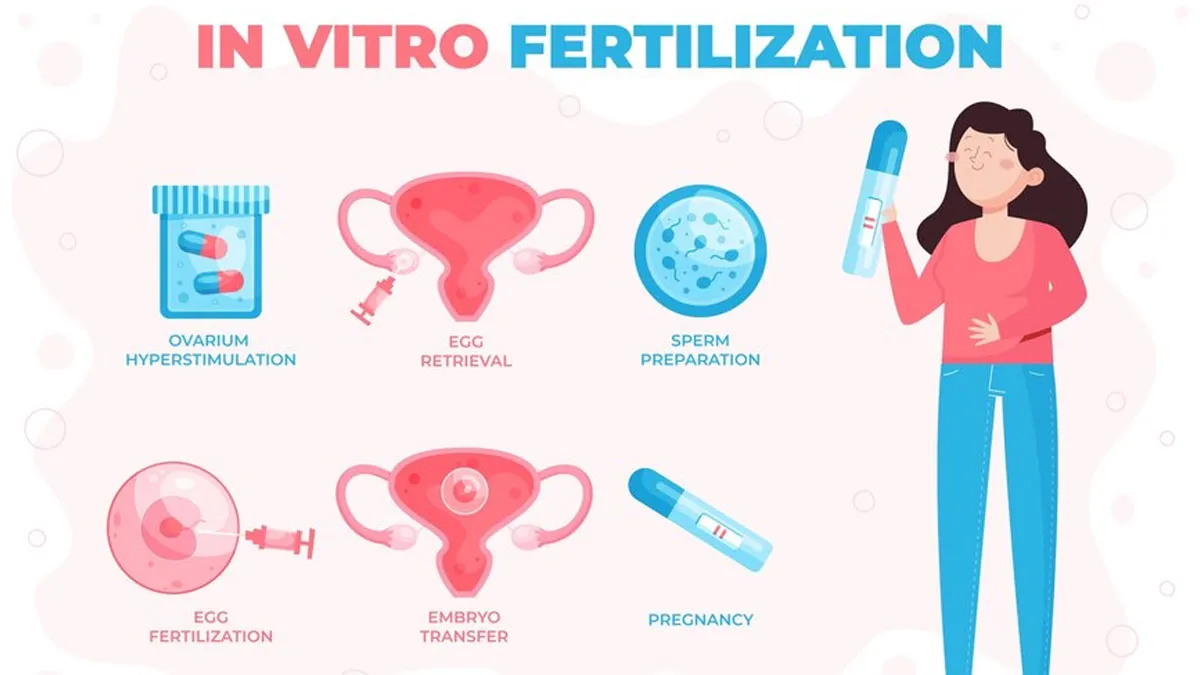
There are no scientific grounds to assume that the rates of IVF success positively or negatively correlate with the project being done in the winter period. This occurs because IVF procedures are carried out in tightly controlled medical and lab conditions, in which climatic, air, medications, and procedures are consistent throughout the year.
“Cold weather won’t impact the chances of conceiving through IVF on its own. In fact, we don’t notice any difference in chances of conception based on whether the treatment was in winter," Dr Gupta explained.
She added, “From a technical standpoint, embryos can grow in an incubator that provides a similar stimulus for their development in ideal conditions, while hormone stimulation will follow a similar pattern irrespective of whether it’s winter or not."
In simpler words, IVF is not seasonal; the human body is.
ALSO READ- Bharti Singh and Haarsh Limbachiyaa Welcome Second Child, Another Baby Boy - Report
What Changes in Winter Can Be Important for IVF
Winter does not directly impact IVF. Winter changes the surrounding environment in which everything, including the body, has to operate. The most likely effect during winter (especially for those undergoing IVF) is less exposure to sunlight, which in turn means less vitamin D.
“Vitamin D is important for ovarian function and uterine receptiveness, both of which are important during IVF. When people have lower levels of vitamin D, it could affect how their ovaries respond or how receptive their uterus might be,” Dr Gupta explained.
Winter habits also tend to fall by the wayside. Exercise can become less active, and stress can be higher due to professional demands and end-of-year obligations. Such habits, combined with those related to sleep, can cause imbalances in hormones, which are crucial to reproductive function.
ALSO READ- Can Chronic Inflammation Impact Fertility?
Is Male Fertility Immune to Winter?
The results of IVF also do not rely solely on the quality of the eggs and the health of the uterus. Sperm is equally important, even for assisted reproduction. Seasonal lifestyle changes such as reduced exercise, weight gain, increased stress and altered sleep can influence sperm count, motility and morphology.
Male partners are not immune to this, either. Dr Gupta pointed out that this has implications for treatment, because habits formed during the winter months can affect the partner, too.
Why Clinics See Consistent IVF Results Year-Round
In terms of medicine, fertility clinics are operating successful IVF cycles throughout the year. The environment in the laboratory is unchanged, the medicines are carefully calculated for the dosage, and the procedures are set to adjust for individual reactions to hormones rather than the seasons.
“As far as a clinician is concerned, IVF does not actually require a season. What’s much more important is whether the body can actually be rendered sufficiently stable. It is all about hormonal, metabolic, and emotional stability, which enables the best possible result,” she shared.
Benefits of Planning IVF in Winter
In the case of individuals planning an IVF process during the periods of cold weather, there are some recommendations which are helpful and are not very limiting either. Dr Gupta emphasised, "Protect your sleep patterns, remain physically active when it’s tempting to stay at home, and prioritise stress management. These are some easy-to-follow tips, especially where there would be little sunlight exposure. Once these basics are addressed, winter does not impede achieving success in IVF," concluded Dr Gupta.
Bottomline
Winters do not impede upon IVF success rates, while lifestyle changes with subtle attitudes toward hormone regulation make self-care practices, vitamin D, and regularity extremely important.
Also watch this video
FAQ
1. Does winter decrease the rate of IVF success?
No. IVF success rates remain unaffected by seasons under standardised medical and lab conditions.2. Why is vitamin D necessary in IVF treatment during the winter months?
Less sunlight may lead to lower levels of vitamin D, potentially impacting ovarian function and endometrial receptiveness.3. Should couples wait until the summer to have IVF treatment?
No, not necessary. IVF cycles can successfully be carried out throughout the year if sleep, stress, exercise, and dietary patterns are maintained in a good way.
Read Next
Lee Si-young Welcomes IVF Baby Girl: Here’s What Doctors Say About Normal Delivery After IVF
How we keep this article up to date:
We work with experts and keep a close eye on the latest in health and wellness. Whenever there is a new research or helpful information, we update our articles with accurate and useful advice.
Current Version
Dec 19, 2025 15:05 IST
Published By : Tanya Srivastava