

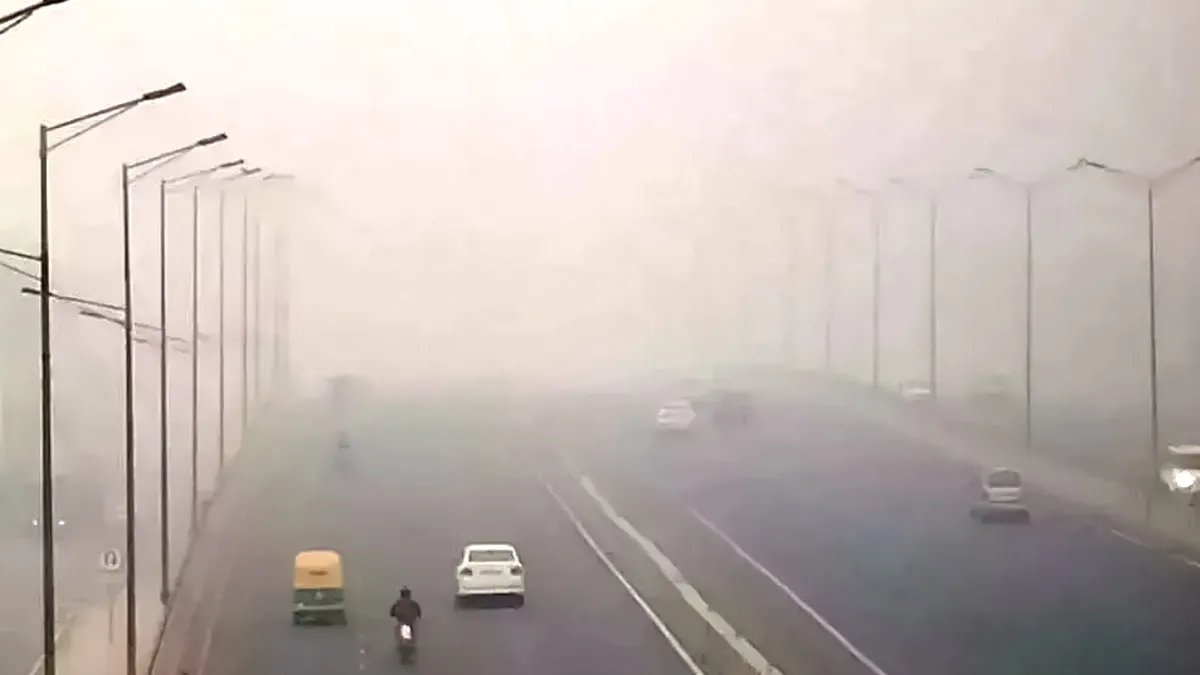
Delhi woke up to its worst air of the season on Sunday as pollution levels spiked sharply, pushing the city into the ‘severe plus’ category. The Air Quality Index (AQI) touched 461, making it the most polluted day of this winter and the second-worst December reading since air quality monitoring began.
Table of Content:-
A toxic haze of a cloud hovered over the national capital due to weak wind and dipping temperatures, which is just the right combination for pollutants to get trapped near the surface. As a result, a thick smog, visibility reduction, and hazardous breathing conditions over vast parts of the city were witnessed.
Many of the air quality monitoring stations in Delhi recorded alarmingly high readings. Wazirpur recorded the maximum AQI of 500, which is the highest value officially recorded by the Central Pollution Control Board (CPCB), Rohini touched 500, while Ashok Vihar, Jahangirpuri, and Mundka recorded close at 499, indicating extremely unhealthy air with serious health risks.
GRAP-4 Declared, Schools to Shift Back to Hybrid Classes
As the pollution crossed critical thresholds, the Delhi government implemented Stage 4 of GRAP, which is the strictest anti-pollution emergency measure that includes curbs on construction activities, restrictions on vehicle movement, and other urgent steps to prevent further deterioration in air quality.
With the deteriorating air quality, the schools in Delhi have been instructed to hold classes for students till Classes 9 and 11 in a hybrid manner, enabling both physical and virtual attendance to reduce children's exposure to toxic air.
Health Risks Rise as AQI Crosses 450
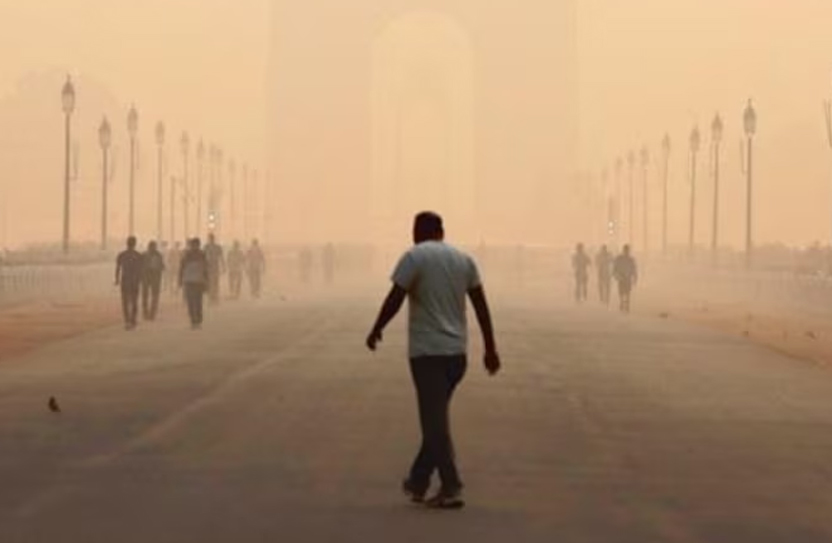
Health experts also warn that AQI levels between 300 and 400 are already dangerous, and readings crossing 450 significantly raise the risk of respiratory distress, heart strain, eye irritation, and worsening of asthma and other lung conditions.
People are advised to refrain from outdoor walking, jogging, or exercise, particularly during early morning hours when pollutants in the atmosphere are usually more concentrated. While it is important to continue with physical activity, experts recommend shifting indoors to avoid particulate matter such as PM2.5 penetrating deep into the lungs.
How To Protect Yourself from Bad AQI
Outdoor trips, in general, should be strictly kept to a minimum and only when absolutely necessary, possibly later in the day, as sunlight and the slightly stronger movement of air elevate and dissipate the pollutants. Additionally, wearing a well-fitted mask is essential, particularly for children, the elderly, and those with pre-existing health conditions.
It also advises against heavy physical exertion with heavy breathing, citing the importance of lifestyle precautions. Keeping the body well-hydrated by drinking plenty of water, following a nutritious diet with more seasonal fruits and vegetables, will help the body in its excretory functions during prolonged exposure to pollution.
Residents have been asked by authorities and health professionals to remain alert, limit their exposure, and follow advisories in close detail because the Indian capital continues to fight its seasonal air pollution crisis amid the settling-in of winter and unhelpful meteorological conditions.
Bottomline
Winter pollution in Delhi has reached dangerous levels this time, as the AQI has crossed 460, and touched 500 in several parts of the city, due to which there is a call for emergency measures, school restrictions, and urgent health advisory for minimum exposure.
Also watch this video
How we keep this article up to date:
We work with experts and keep a close eye on the latest in health and wellness. Whenever there is a new research or helpful information, we update our articles with accurate and useful advice.
Current Version
Dec 15, 2025 12:40 IST
Published By : Tanya Srivastava