

-1765262513962.webp)
Veteran Bollywood actor Prem Chopra was recently diagnosed with severe aortic stenosis, his family has confirmed. The news comes weeks after he was admitted to the hospital with chest congestion and breathing issues. According to his son-in-law (Sharman Joshi), the 90-year-old actor underwent a successful TAVI procedure (Transcatheter Aortic Valve Implantation), a minimally invasive treatment to address narrowing of the aortic valve. Read ahead to know more about the condition which affects how blood flows through the body.
Table of Content:-
Prem Chopra Health Update
Earlier in November, reports emerged that Prem Chopra had been hospitalised in Mumbai’s Lilavati Hospital due to chest congestion and breathing difficulties. At the time, family sources described it as an age-related check-up and assured fans his condition was stable. 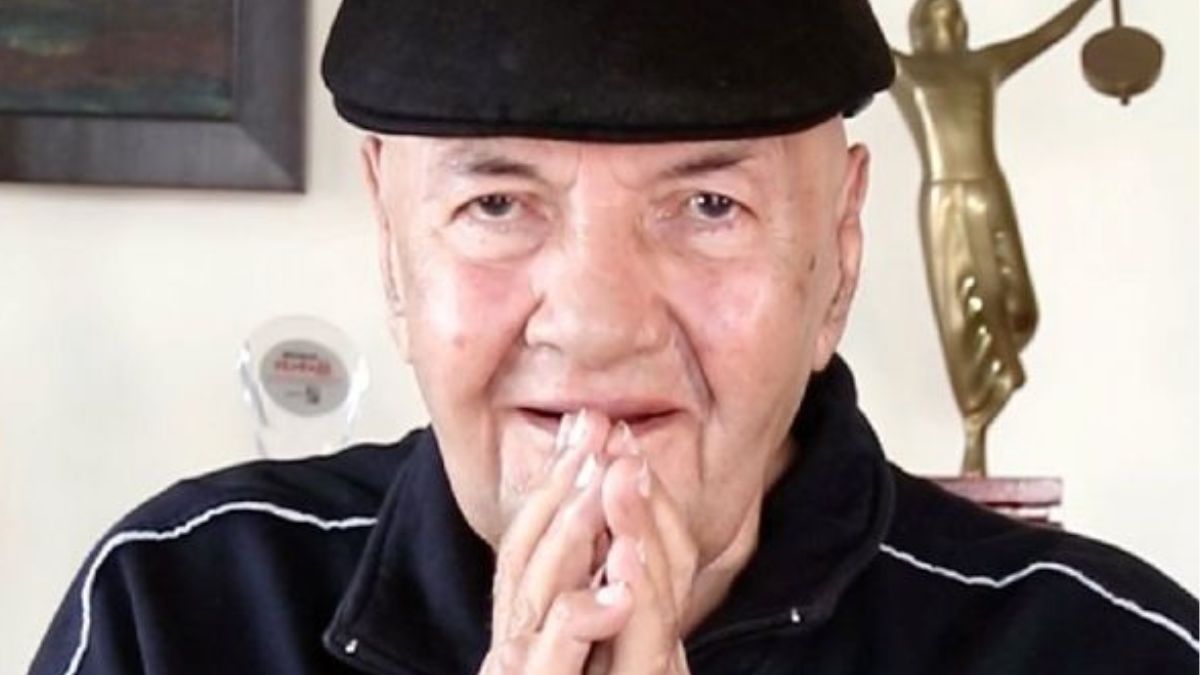
However, over the following weeks, his condition worsened. His son-in-law, actor Sharman Joshi, later confirmed via social media that doctors found severe aortic stenosis. Thankfully, Prem Chopra received timely medical care and underwent a TAVI procedure, a less invasive option than traditional open-heart surgery. The procedure reportedly went well, and the actor is now recovering at home.
Fans and colleagues from the film industry have expressed relief and sent wishes for a full and swift recovery. The positive update underscores how critical timely diagnosis and modern treatments are for heart valve diseases.
What Is Aortic Stenosis?
In one of our previous articles, Dr Dixit Garg, Consultant - Interventional Cardiology, Manipal Hospital, Gurugram, explains it as characterised by the narrowing of the heart's aortic valve that limits blood flow to the body. Dr Garg says, “The symptoms develop gradually, they are often overlooked until the condition becomes severe”. 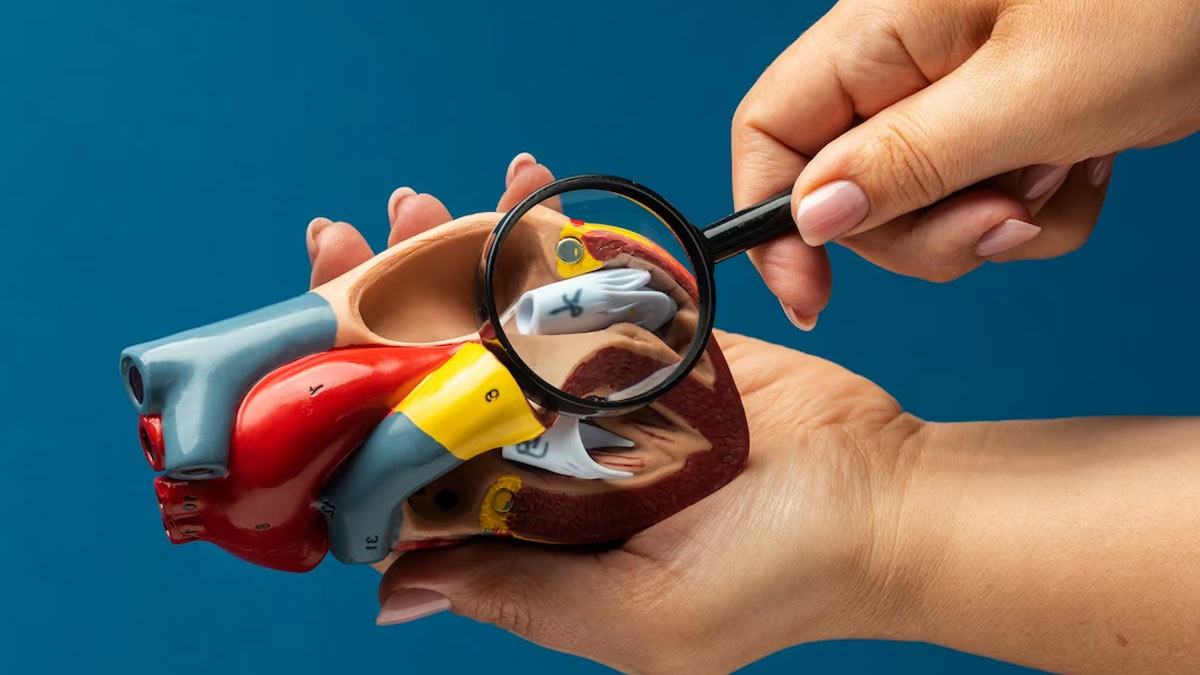
In aortic stenosis, this valve becomes narrowed or stiff. Often, this occurs due to age-related calcium buildup or wear-and-tear on the valve leaflets. When the opening shrinks:
- The heart must pump harder to push blood through.
- Blood flow to the body, including the brain, muscles, and organs, becomes limited.
- Over time, the left ventricle can thicken and weaken from the extra workload.
Some of the common symptoms of severe aortic stenosis include:
- Shortness of breath, especially during activity
- Chest pain or tightness
- Fatigue and weakness
- Dizziness or fainting episodes
But in many cases, especially in early or moderate disease, symptoms can be mild or even absent, making diagnosis tricky until the condition becomes critical.
Conclusion
Prem Chopra’s diagnosis of severe aortic stenosis and his successful TAVI treatment offer both relief and a strong message. It shows how age-related heart conditions can sneak up quietly and how timely diagnosis, combined with modern cardiology, can save lives. For all of us, his experience is an important reminder: regular heart check-ups, awareness of symptoms, and early medical consultation matter.
Also watch this video
How we keep this article up to date:
We work with experts and keep a close eye on the latest in health and wellness. Whenever there is a new research or helpful information, we update our articles with accurate and useful advice.
Current Version
Dec 09, 2025 12:17 IST
Published By : Vivek Kumar