

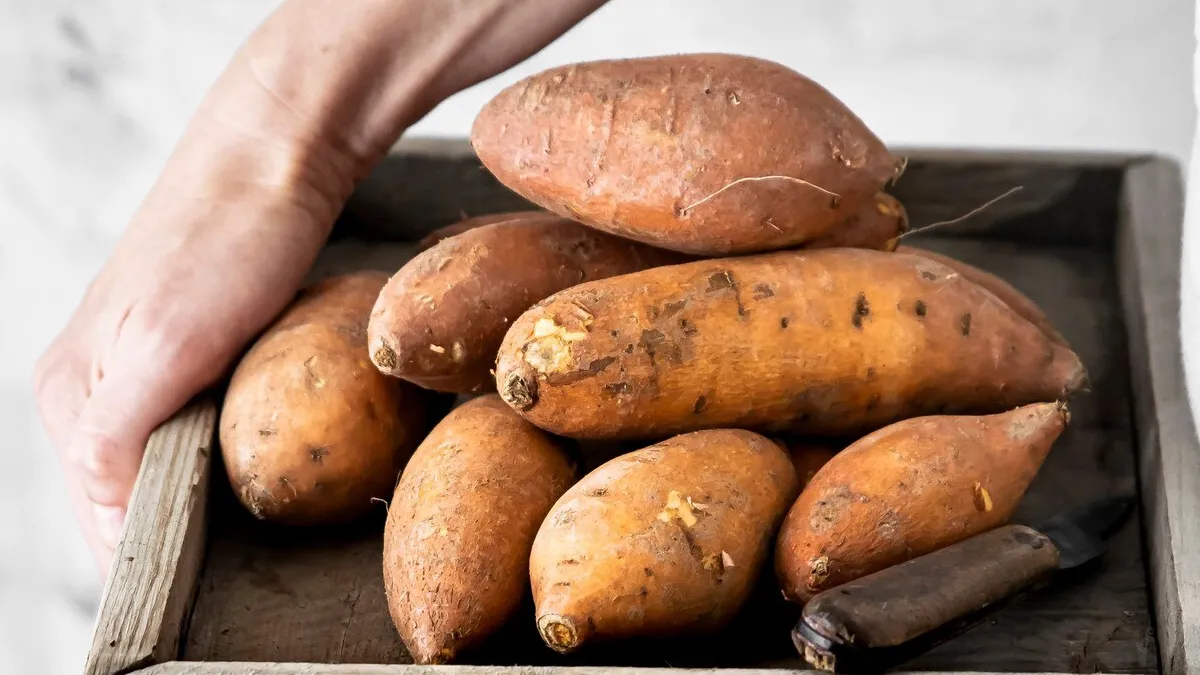
One food that is often spoken about when it comes to ‘healthy snacking’ is that of sweet potato aka shakarkandi. Many fitness enthusiasts prefer this starchy and sweet root vegetable as a snack. Be it boiled or roasted – it can be eaten in a variety of ways. The popularity of sweet potato can also be attributed to its multiple health benefits. But are they good for weight loss? Today, we will answer this for you.
Table of Content:-
To get a better understanding of this, we reached out to Dr Geetika Chopra, Celebrity Holistic Nutritionist. Keep reading.
Is Sweet Potato Good For Weight Loss?
Let us get into the main point right away – is sweet potato good for weight loss or not? “Yes, shakarkandi can absolutely support weight loss — if you respect its portion, timing, and pairing. Weight loss isn’t about avoiding carbs; it’s about choosing the right ones. Sweet potato is rich in fibre, which slows digestion and keeps you full for longer, reducing random snacking. It also has a lower glycaemic impact compared to white potatoes or refined carbs, especially when boiled,” answers Dr Chopra.
She adds, “One of my favourite ways to explain this is simple: shakarkandi doesn’t make you fat — mindless eating does. When eaten properly, it actually helps control hunger and cravings, which is key for sustainable fat loss.”
How To Add Sweet Potatoes To Your Weight Loss Diet?
Now you must be thinking how sweet potatoes should be incorporated into your daily diet, if you are trying to lose weight. “I never ask my clients to eat shakarkandi like street chaat or dessert. My rule is simple: a sweet potato must replace a carb, not sit on top of it. If you’re eating it, then rice, bread, or multiple rotis need to step aside,” says Dr Chopra.
The expert continues, “One hack I love is pairing shakarkandi with protein — like curd, paneer, sprouts, or eggs. This slows blood sugar rise and keeps energy stable. Another trick is timing: shakarkandi works best earlier in the day or post-workout, when the body is more likely to use it as fuel instead of storing it as fat.”
But how much sweet potatoes should one eat in a day? “Portion size is everything. For most of my weight-loss clients, 100–150 grams per day is more than enough — that’s usually one small to medium sweet potato. I often tell them: treat shakarkandi like medicine, not like bhutta. More is not better here. If someone is very active or works out intensely, I may allow slightly more. But overeating sweet potatoes can still slow fat loss — even healthy foods need boundaries,” shares Dr Chopra.
Also Read: Can Sweet Potato Help You Sleep Better? Hear It Out From Our Expert
Benefits Of Sweet Potatoes
On this note, Dr Chopra lists the pros of shakarkandi:
- Sweet potatoes are packed with beta-carotene, a potent antioxidant that converts to vitamin A in the body, supporting immunity, skin health, and hormonal balance.
- It is a good source of magnesium and potassium.
- Sweet potatoes are rich in minerals that play a key role in muscle relaxation, nerve function, and stress regulation.
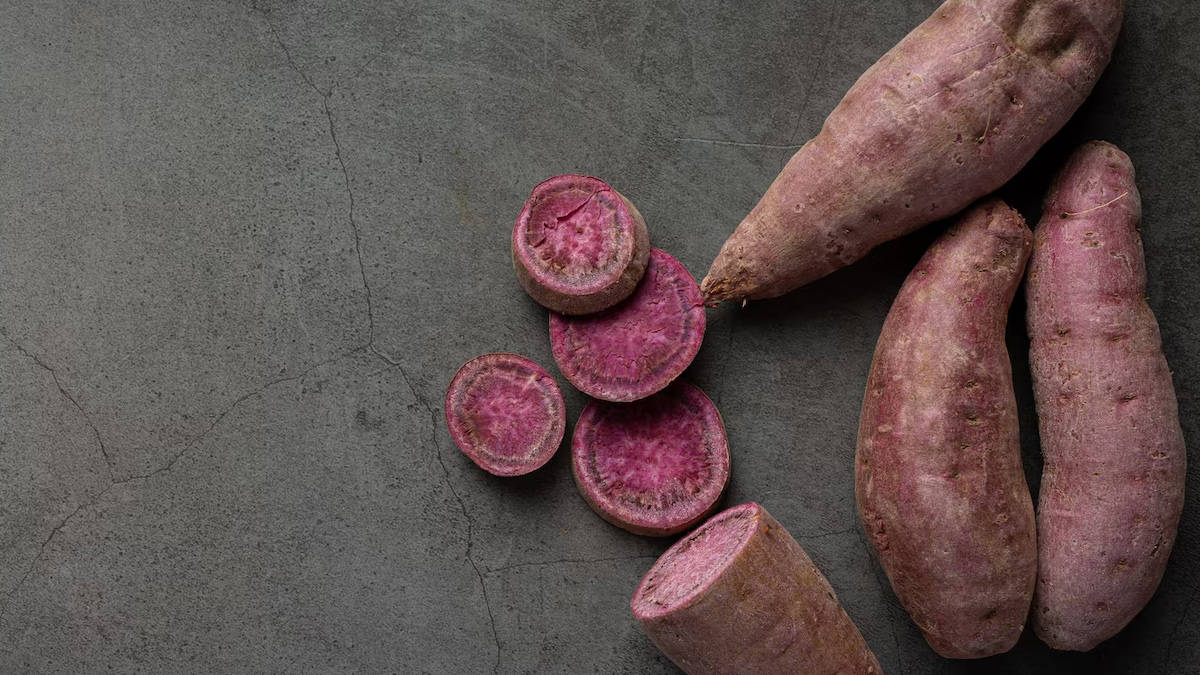
“That’s why clinically, sweet potato works beautifully as a natural mood stabiliser and stress-supporting food. In fact, you can have it as a smoothie – that uses sweet potato as its base, combined with cocoa powder, a small amount of jaggery powder, one banana, and milk. This smoothie becomes a nourishing option for people dealing with fatigue, emotional stress, or burnout — proving that sweet potato, when intelligently paired, can support both mental and metabolic health,” shares Dr Chopra.
Best And Worst Cooking Methods Of Sweet Potato For Weight Loss
The cooking method can make or break shakarkandi’s benefits. “I strongly encourage boiling, steaming, or light roasting. These methods preserve fibre and keep calories controlled,” shares the expert.
She adds, “What I ask clients to avoid is deep frying, air-frying with lots of oil, adding butter, sugar, jaggery, or turning it into chaat loaded with masalas. One simple hack I share: if your sweet potato needs a sauce to taste good, it’s no longer diet-friendly. Keep it simple, spiced lightly, and clean.”
Another question that is often asked is, what boiled or roasted shakarkandi – which one is better? Our expert answers this for you too.
“For strict weight loss or insulin resistance, I prefer boiled sweet potatoes. Boiling keeps the glycaemic response lower and makes digestion smoother. Roasting is fine occasionally — and yes, it tastes better — but only when oil is minimal. My thumb rule: boiled on weekdays, roasted occasionally on weekends. That balance works beautifully,” explains Dr Chopra.
Who Should Avoid Sweet Potatoes?
Now, last but not the least question – is sweet potato good for everyone? “I don’t believe in labelling foods as ‘bad’ but I do believe in customisation. Sweet potato is no exception. People who need to limit shakarkandi are usually those whose bodies do not handle carbohydrates efficiently — not because sweet potato is unhealthy, but because their glucose handling or mineral balance is compromised. I advise caution in individuals with poorly controlled diabetes or marked insulin resistance, especially when fasting or post-meal blood sugars remain high despite medication or lifestyle changes. Even though sweet potato has a lower glycaemic impact than refined carbs, it is still a source of starch and can push sugar levels up if portions are not controlled,” explains Dr Chopra.
She continues, “People with PCOS combined with insulin resistance may also need to be mindful. In these cases, sweet potato works better in very small portions, paired with protein, and eaten earlier in the day. Without this control, it may worsen sugar cravings rather than reduce them. Individuals with advanced kidney issues need to limit sweet potato due to its high potassium content, which can strain compromised kidneys and upset electrolyte balance.”
“Lastly, people with very sedentary lifestyles — minimal muscle mass and low daily movement — should limit frequent sweet potato intake, because unused carbohydrates are more easily converted into fat in such bodies,” concludes Dr Chopra.
Also Read: Can You Eat Sweet Potatoes on Keto? Carb Breakdown, Ketosis Effects, and Healthy Ways to Prepare
The Final Word
Sweet potato can support weight loss, but you need to keep in mind its right portion, timing, and pairing while consumption. It is rich in fibre, which slows digestion and keeps you full for longer, reducing random snacking. Sweet potato also has a lower glycaemic impact, compared to white potatoes or refined carbs, especially when boiled.
Also watch this video
FAQ
Is sweet potato good for weight loss?
Yes, sweet potatoes are good for weight loss because they are high in fiber and nutrients while being relatively low in calories.Why do Koreans eat sweet potatoes when dieting?
Koreans love sweet potato as a diet food because it is rich in fiber and is quickly filling.Is sweet potato high in sugar?
Yes, sweet potatoes are high in sugar compared to many other vegetables, but they are a healthy choice because they are also rich in fiber and nutrients.
How we keep this article up to date:
We work with experts and keep a close eye on the latest in health and wellness. Whenever there is a new research or helpful information, we update our articles with accurate and useful advice.
Current Version
Dec 02, 2025 08:20 IST
Published By : Shruti Das