

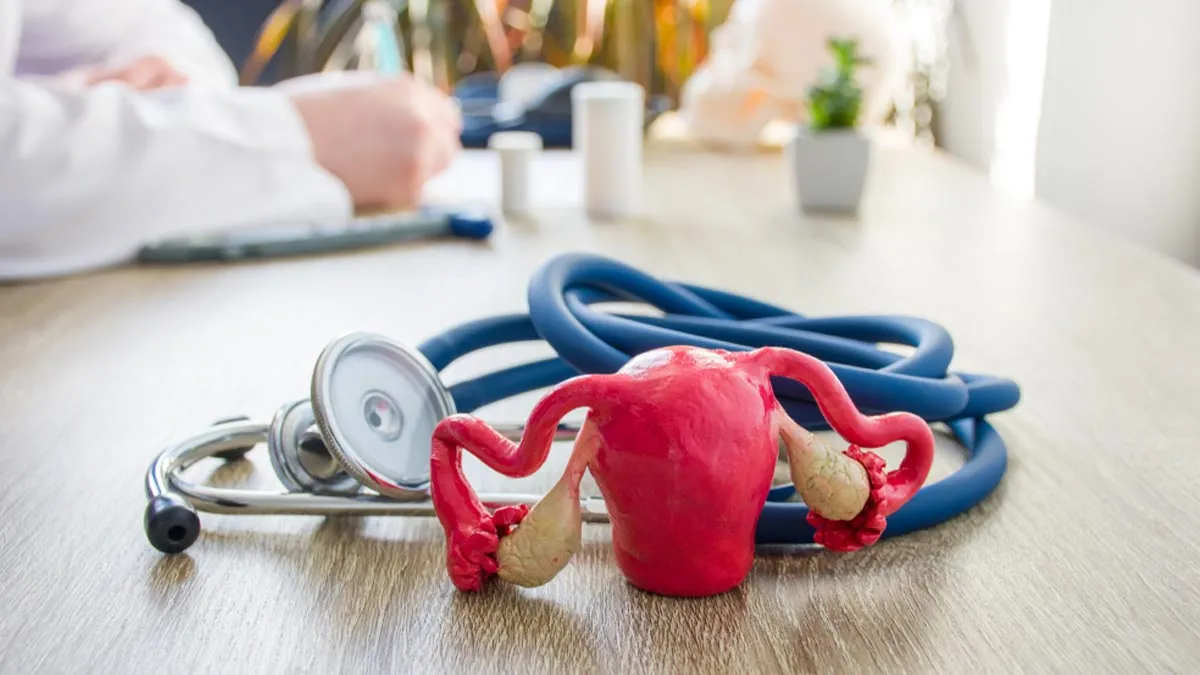
For many women undergoing fertility treatment, the biggest barrier is not embryo quality but the uterus's ability to accept and support a pregnancy. A thin or unresponsive endometrium (the innermost lining of the uterus) can significantly lower implantation success, even with high-quality embryos. However, in recent years, two regenerative treatments, which are Platelet-Rich Plasma (PRP) and Mesenchymal Stem Cell (MSC) therapy, have turned up as hopeful additions. But do they really help the uterus become more receptive to an embryo?
Table of Content:-
To break this down, we spoke to Dr Sheetal Jindal, MBBS, MD OBG, EPHM (IIM Kolkata), Senior Consultant and Medical Director, Jindal IVF, Chandigarh, who explained to us how both therapies work, and when they might be useful. Read ahead to find out.
How PRP Helps the Uterus Become More Receptive
PRP therapy has healing properties, and hence it has been used for years in orthopaedics, dermatology, and cosmetic medicine. Its application in fertility care is relatively new but increasingly promising, according to experts.
As Dr Jindal explained, "PRP and MSC therapy are two regenerative approaches that we use to strengthen the endometrium when it is not responding the way we want. Using PRP, we take a small amount of the patient's blood and concentrate the natural growth factors. When this is infused into the uterus, it can stimulate better circulation and healthier tissue regeneration. A healthier endometrium means:
- Better blood circulation
- Improved cell growth
- Better opportunity for achieving the optimum lining thickness, normally 7mm or above.
- Increased receptivity during the implantation window
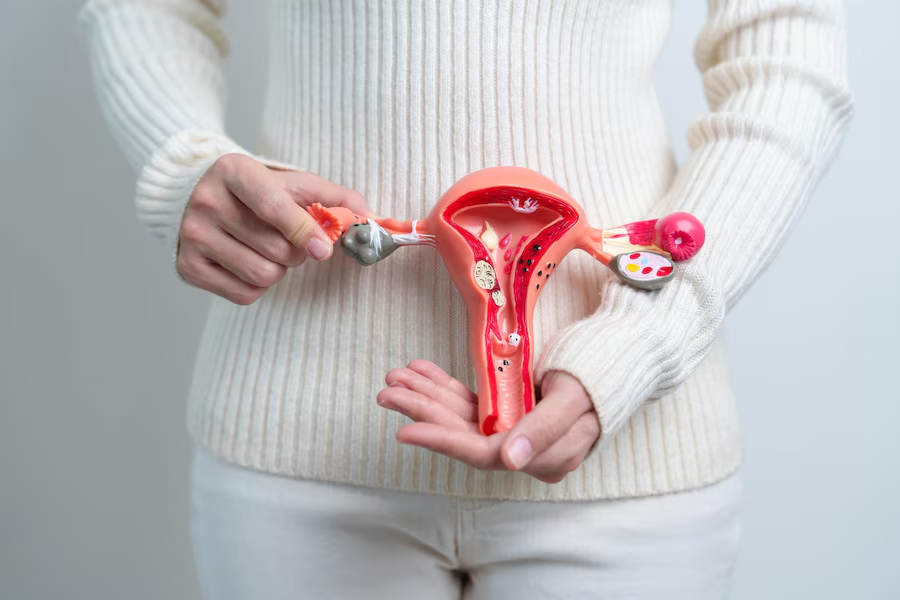
Dr Jindal added that PRP is especially beneficial for women with:
- Thin endometrial lining
- Repeated Implantation Failure (RIF)
- Poor endometrial response to hormones
Many patients notice significant improvement in lining thickness and quality after one or two cycles of PRP infusion. PRP is considered a supportive addition to IVF preparation.
How MSC Therapy Is A Deeper Regenerative Approach
While PRP works by amplifying natural growth factors, the MSC therapy introduces mesenchymal stem cells into the body, which are known for their anti-inflammatory and regenerative capabilities.
According to Dr Jindal, "MSC therapy works a little differently. These stem cells act to calm inflammation and encourage deeper tissue repair. In women whose lining is chronically unresponsive or scarred, MSCs can help rebuild a healthier structure, which builds a more stable environment for an embryo." MSC therapy can be considered when:
- There is chronic endometrial inflammation.
- Infection, surgery, or other causes, such as Asherman's syndrome have damaged this lining.
- The uterus demonstrates fibrosis or scarring
- Standard treatments do not stimulate an adequate lining.
MSCs support the remodelling of tissue at a structural level because they may facilitate long-term restoration in women who have not responded to other therapies.
How Effective Are PRP and MSC Treatments?
While PRP and MSC therapy both proved promising, they are supportive and not standalone treatments. Dr Jindal added, “So far, the results have been promising, and a good number of patients do see stronger implantation outcomes. These treatments are still considered supportive options and are best planned as part of a personalised fertility strategy for each case.”
ALSO READ- After Childbirth, When Does Your Period Resume? Gynaecologist Explains Postpartum Periods

She further highlighted that this means the decisions depend on:
- Patient’s age
- Type of infertility problem
- History of the endometrium
Previous cycle results
“Fertility specialists will often combine these therapies with hormonal support, lifestyle optimisation, and carefully planned IVF protocols for the best results,” she added.
Are PRP and MSC Treatments Safe?
When we asked Dr Jindal if these treatments are safe, she said, “Both PRP and MSC are generally considered safe.” Here’s why:
- PRP uses your blood, which minimises the risk of reaction.
- MSC therapy employs medical-grade, screened stem cells.
- Side effects are minimal and usually confined to slight cramping during infusion.
Bottomline
PRP and MSC therapy cannot guarantee pregnancy but may significantly improve uterine receptivity, especially in women who have a thin, inflamed, or unresponsive endometrium. Together, they may enhance the chance of implantation when thoughtfully used as part of a personalised fertility plan.
Also watch this video
FAQ
1. Can PRP or MSC therapy replace IVF?
No, these are supportive treatments; hence, their role is complementary to enhance uterine receptivity. They cannot substitute IVF or other standard fertility protocols.2. How many PRP or MSC therapy sessions does one usually need?
Most women need one to three sessions, depending on how their endometrium responds. Your doctor will assess lining thickness and quality before deciding about subsequent cycles.
How we keep this article up to date:
We work with experts and keep a close eye on the latest in health and wellness. Whenever there is a new research or helpful information, we update our articles with accurate and useful advice.
Current Version
Dec 09, 2025 11:44 IST
Published By : Tanya Srivastava