

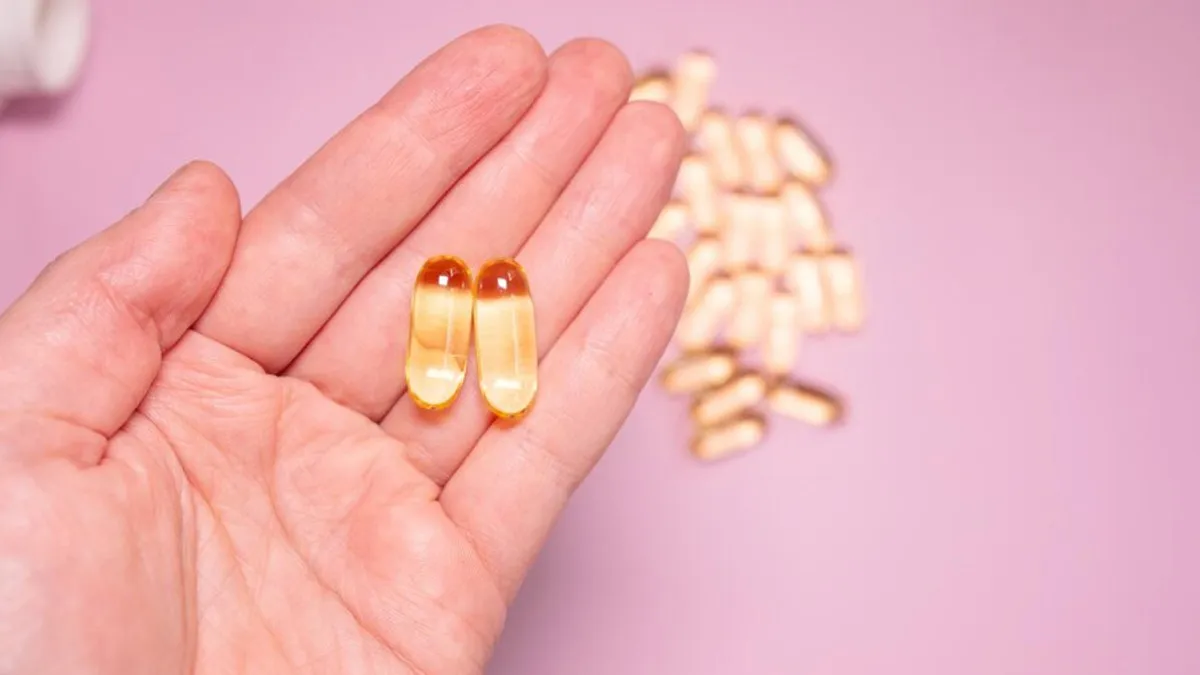
In today’s time, go into any pharmacy, and you’ll see the shelves lined up with bottles promising thicker hair, glowing skin, and unbreakable nails. We are also a generation that is busier than ever; hence, supplements have become an easy shortcut to fill in nutritional gaps, almost like a safety net for modern lifestyles. Amongst the many, biotin is the most popular. From influencers to beauty enthusiasts, everybody seems to consume it. But does it actually work, and more importantly, is it safe to depend on?
Table of Content:-
"Biotin is an important vitamin in the body for hair, skin and nails, but over-the-counter use without prescription has raised a lot of concerns. Most people start biotin without checking if they actually have a deficiency, and that’s where trouble often begins,” explained Dr Akshitha Shetty, Consultant, Dermatology and Trichology, Kauvery Hospital, Marathahalli, Bangalore.
Does Biotin Really Work for Hair and Skin?
Biotin, or Vitamin B7, plays a critical role in converting food into energy and keeping keratin healthy, a very important protein for your hair and nails. For people who actually have a deficiency, biotin supplements indeed improve brittle nails and minor hair thinning.
But Dr Shetty insisted that true biotin deficiency is very rare. "If your hair fall is due to hormonal issues, thyroid disorders, stress, PCOS or nutrition imbalances, biotin alone won't fix it," she explained. This means many people take biotin expecting magical transformations when the underlying cause lies elsewhere, leading to more harm than any good.
ALSO READ- Expert-Approved Way To Boost Collagen In Less Than 30 Days
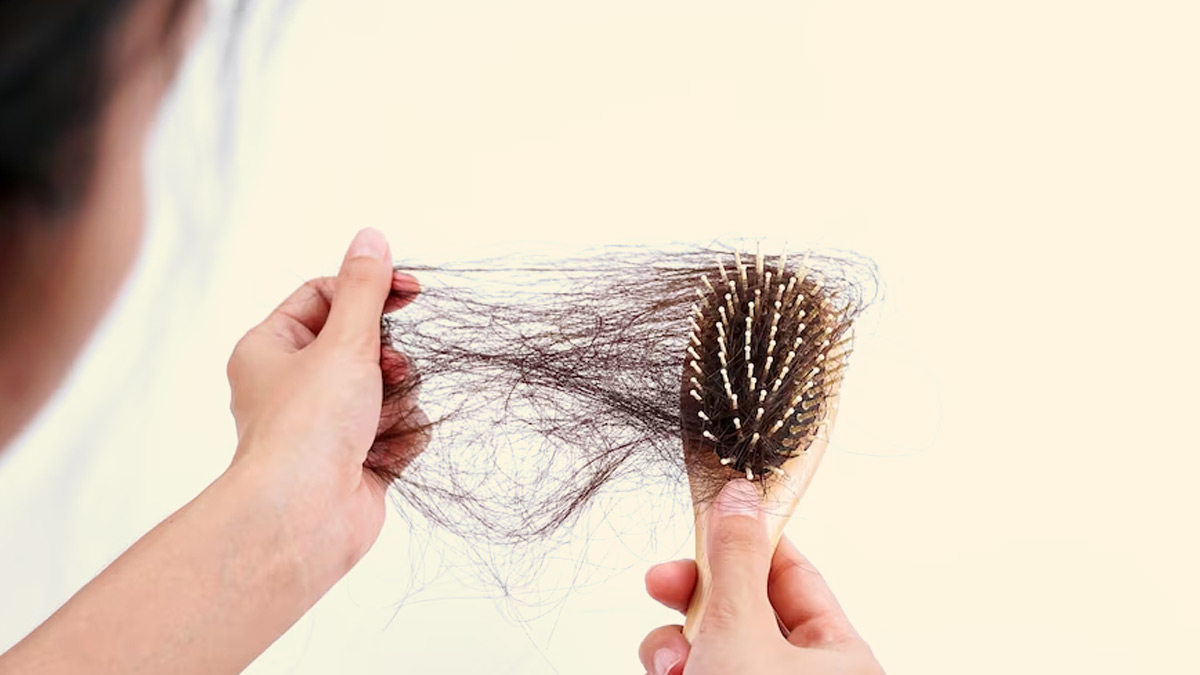
Hidden Risks of Biotin Supplements
While biotin is seemingly harmless since it's a vitamin, taking high doses may have some repercussions. According to Dr Shetty, here are five risks that patients are largely unaware of:
1. May Interfere with Blood Test Results
Dr Shetty stressed that this is the most serious risk. High levels of biotin can distort the results of thyroid tests, vitamin D levels, and even cardiac markers. "It can cause false positives or negatives, leading to misdiagnosis. If you're taking biotin, always inform your doctor before any blood work,” she warned.
2. May Cause Acne Breakouts
Many people experience breakouts suddenly after starting biotin. Too much biotin upsets the balance of other B vitamins, particularly vitamin B5, which is important to the skin barrier. The resulting imbalance can make skin oilier and acne-prone.
3. Can Cause Digestive Discomfort
Some people develop nausea, cramping, or light stomach discomfort. According to Dr Shetty, while all these side effects are not very common, they usually manifest when individuals take high, uncalled-for dosages.
ALSO READ- Why Jojoba Oil Is Perfect For Acne-Prone Skin

4. Prolonged Excessive Intake May strain the Kidneys
High-dose biotin supplements, when taken regularly and not medically needed, can add extra stress to the kidneys. Dr Shetty noted that individuals with kidney issues should be particularly cautious.
5. Provides a False Sense of Security
According to Dr Shetty, the biggest hidden risk is psychological. “People often rely on biotin thinking it will solve all their hair issues, delaying proper diagnosis and treatment. Hair fall is a symptom, not a disease. The longer one waits to identify the real cause, the harder the recovery,” she emphasised.
Should You Take Biotin?
Before reaching for a supplement, Dr Shetty suggested getting the blood tests done, going for a dermatologist consultation and an evaluation of diet and lifestyle. Most people can meet their biotin needs through foods like eggs, nuts, seeds, sweet potatoes and whole grains.
"If a deficiency exists, supplementation helps. If not, it's unnecessary. Supplements are tools, not miracles. They should complement a healthy lifestyle, not compensate for it,” she concluded.
Bottomline
Biotin supplements can be helpful if you truly have a deficiency, but taking them blindly may do more harm than good. You should always consult a dermatologist before starting any supplement.
Also watch this video
FAQ
1. How do I know if I need biotin supplements?
Only a blood test and professional evaluation can confirm deficiency. Hair fall alone doesn't mean you need biotin.2. Can biotin be taken daily for hair growth?
Only if prescribed. For most individuals, diet is sufficient to provide biotin and supplements offer no added value.3. How long does biotin take to start showing results?
If you're deficient, improvements may appear in two to three months. If you're not deficient, you may see no change at all.
How we keep this article up to date:
We work with experts and keep a close eye on the latest in health and wellness. Whenever there is a new research or helpful information, we update our articles with accurate and useful advice.
Current Version
Dec 02, 2025 09:32 IST
Published By : Tanya Srivastava