

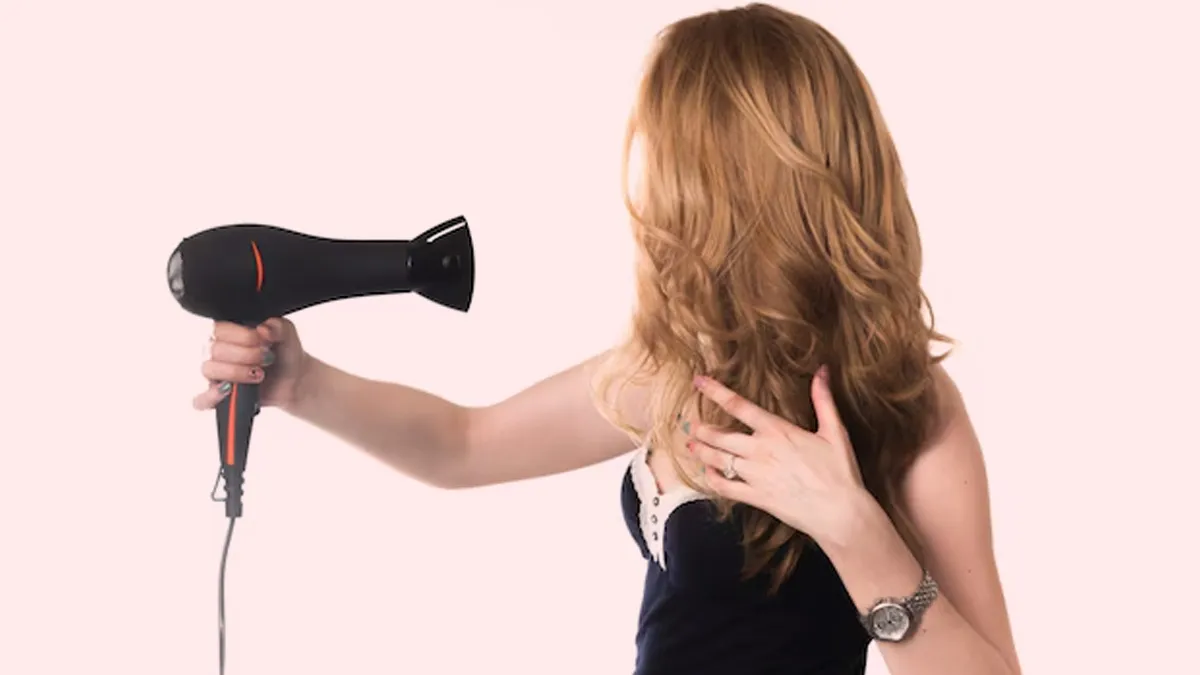
From straightening that stubborn frizz before an important event to curling your hair for a night out, styling tools have become non-negotiable in our grooming routine. Hair dryers, straighteners, curling rods, crimpers, and hot brushes promise smoothness, shine, and perfect shape in minutes. However, these tools could also be the reason your hair feels dry, brittle, and lifeless.
Table of Content:-
In an exclusive interaction with the editorial team of Onlymyhealth, our expert, Dr Adithi Jain, Consultant, Dermatology at CK Birla Hospitals, Jaipur, explained that frequent exposure to high heat can silently damage the hair shaft over time, leading to breakage, frizz, and even long-term thinning if not used carefully. Read ahead to know everything she shared with us and how you can protect your hair.
How Heat Styling Damages Your Hair
Hair consists of an outer protective layer called a cuticle and inner structure known as the cortex. When using heat appliances, these layers are directly affected by temperature, which can lead to:
1. Hair Protein (Keratin) Breakdown
Too much heat breaks down keratin bonds in hair. Thus, Dr Jain explained, “When the temperature is greater than 200°C, the protein structure deteriorates, leading to fragile and weak hair strands that often snap easily.”
Also Read: Did You Know Your Pillowcase Impacts Hair Health? Here's How To Get Better Hair Overnight
2. Loss of Moisture
Heat styling also evaporates the natural moisture that's present in every strand. When it doesn't get enough hydration, the hair loses elasticity and is more prone to breakage.
3. Cuticle Damage
The cuticle acts like the shield of the hair. If it has been constantly exposed to heat, it gets lifted or cracked, resulting in:
- Dullness
- Frizz
- Split ends
4. Bubble Hair Syndrome
Tiny bubbles form inside the strand when water trapped inside the hair shaft is turned to steam under high heat, thereby weakening it permanently. In simpler terms, heat plus chemicals, results in double damage
Additionlly, if you colour, bleach, smoothen, or keratin-treat your hair regularly, heat can accelerate the damage. “Chemically treated hair is already compromised. Adding high heat pushes it closer to breakage,” Dr Jain added.
Red Flags That Your Hair Might Be Heat-Damaged
Here are a few red flags that your hair might be damaged from frequent heat from styling tools:
- Hair becomes rough and dry
- Split ends seem to occur more often
- Hair feels stretchy when wet
- Increased breakage when brushing
- Loss of one's natural curl pattern-for those with curly hair
- Excessive frizz, even after styling
If these signs sound familiar, then your styling tools are probably doing more harm than good.
Also Read: Scalp Oil vs Hair Oil: Understanding The Key Differences
Dermatologist-Approved Tips to Minimise Heat Damage:
Dr Jain also shared some smart heat habits that does not involve total avoidance of styling tools, but also doesnt do so much harm. These include:
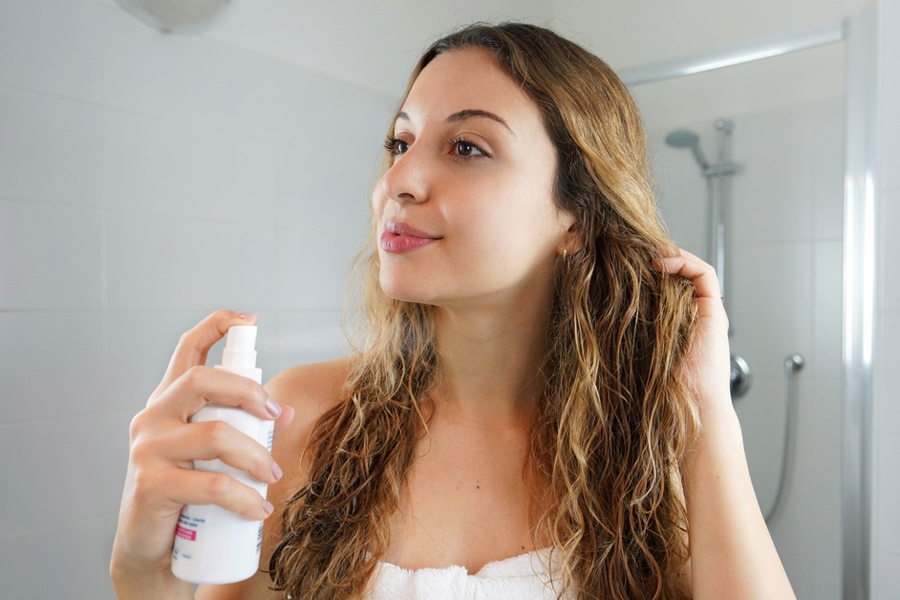
1. Always Use a Heat Protectant
“Think of this as sunscreen for your hair,” she said. Heat protectants create a barrier that protects your hair and limits moisture loss.
2. Follow the 80% Rule
Do not style dripping-wet hair as it causes internal swelling and bubble hair damage when blow-drying or straightening wet hair. Always towel dry until hair is 80% dry before applying heat.
3. Apply Wise Temperature Control
Here is how you can manage and control temperature:
- Fine or chemically-treated hair: 120 to 150°C
- Normal hair: 150 to 180°C
- Thick/coarse hair: 180 to 200°C
- Never max out the temperature.
4. Limit Styling
Daily styling causes compounding damage over time. Give your hair days off and style only for one one to two times a week
5. Prep & Repair with the Right Routine
It is equally important to prepare your hair for the heat. Use hydrating shampoo and conditioner. And, apply a weekly hair mask or deep conditioner. Additionally, invest in a good leave-in serum, that contains argan oil, shea butter, niacinamide, or peptides.
Bottomline
Heat styling isn't a total no, but it's the irresponsible usage of heat that destroys your hair. When used judiciously, along with heat protection, controlled temperature and proper hair care, one can style without sacrificing their hair health.
Also watch this video
FAQ
1. Can heat-damaged hair be reversed?
Deep conditioning and serums will help improve minor dryness and frizz, for severe heat damage, trimming might be required.2. Is air-drying better than blow-drying?
Yes, but blow-drying on cool or medium heat is actually safer than letting dripping wet hair stay for a long period of time.3. Are heat protectants really necessary?
Yes, they reduce moisture loss and lower the overall heat impact on the hair shaft.
How we keep this article up to date:
We work with experts and keep a close eye on the latest in health and wellness. Whenever there is a new research or helpful information, we update our articles with accurate and useful advice.
Current Version
Dec 07, 2025 16:15 IST
Published By : Tanya Srivastava