


For many new mothers, one of the first questions that comes up after delivery, right after feeding, recovery, and sleep—is this: “When will my period return?” It’s a common doubt because the body goes through so many hormonal shifts that the menstrual cycle becomes unpredictable for a while. And every woman’s experience is different.
To understand how postpartum periods really work, we reached out to Dr. Sukirti Jain, Consultant Obstetrics and Gynaecology, Cloudnine Group of Hospitals, Navi Mumbai (Vashi). She broke down what affects the return of periods, how breastfeeding changes your cycle, and when you should seek help.
What Expert Says About Postpartum Periods
According to Dr. Jain, there is no fixed timeline for when periods come back after childbirth. It varies widely. In her words, “The return of periods post-delivery varies greatly amongst women. It may vary from immediately after one and a half months to even as long as one year.”
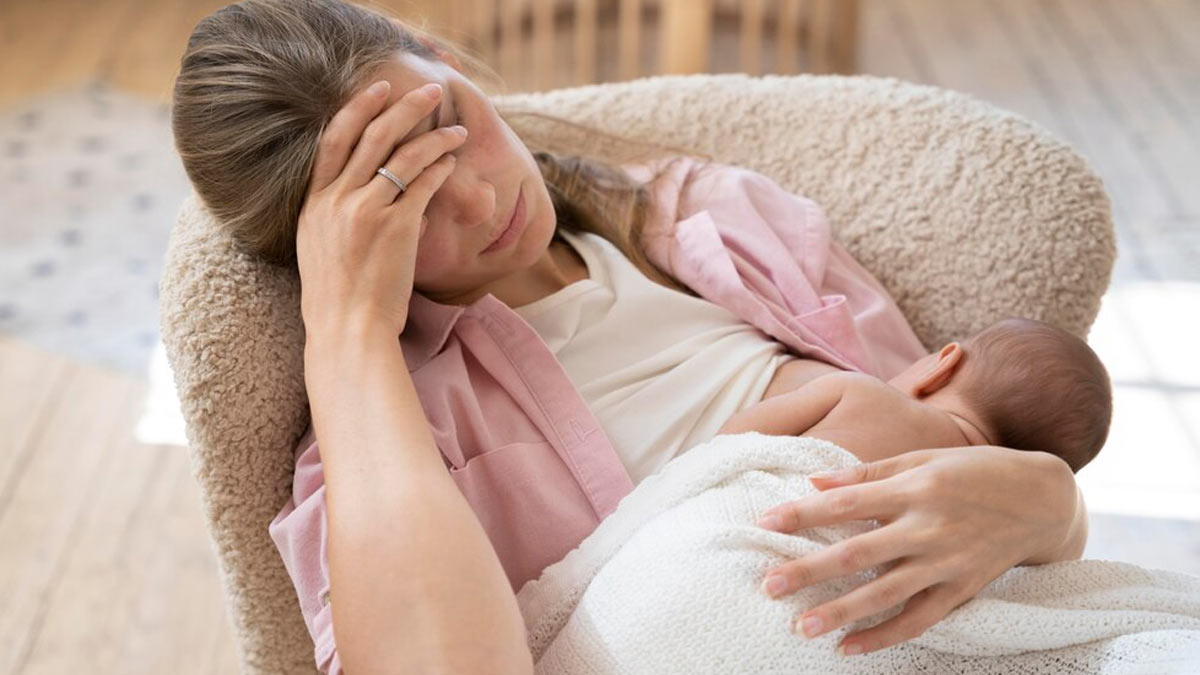
- She explains that the biggest deciding factor is whether the mother is breastfeeding or not.
- Non-breastfeeding mothers may see periods resume as early as 6–8 weeks after delivery.
- Exclusively breastfeeding mothers may not get their periods for six months or even longer.
- This delay is mainly due to the effect of prolactin, the hormone responsible for milk production.
- Prolactin suppresses ovulation, which means periods also stay away.
Dr. Jain adds, “There is no single timeframe. It depends on the breastfeeding pattern, the individual’s hormones and how the body recovers.”
ALSO READ- Should You Avoid Spicy Foods During Your Period? Here’s What You Need To Know
Why Periods Stop During Pregnancy and Take Time to Return
Here’s what happens inside the body:
- During pregnancy, oestrogen and progesterone remain high, which thickens the uterine lining and stops ovulation.
- After delivery, both hormones drop suddenly.
- At the same time, prolactin increases, especially in breastfeeding mothers.
- This combination suppresses ovulation for weeks or even months.
- Periods only resume once ovulation restarts.
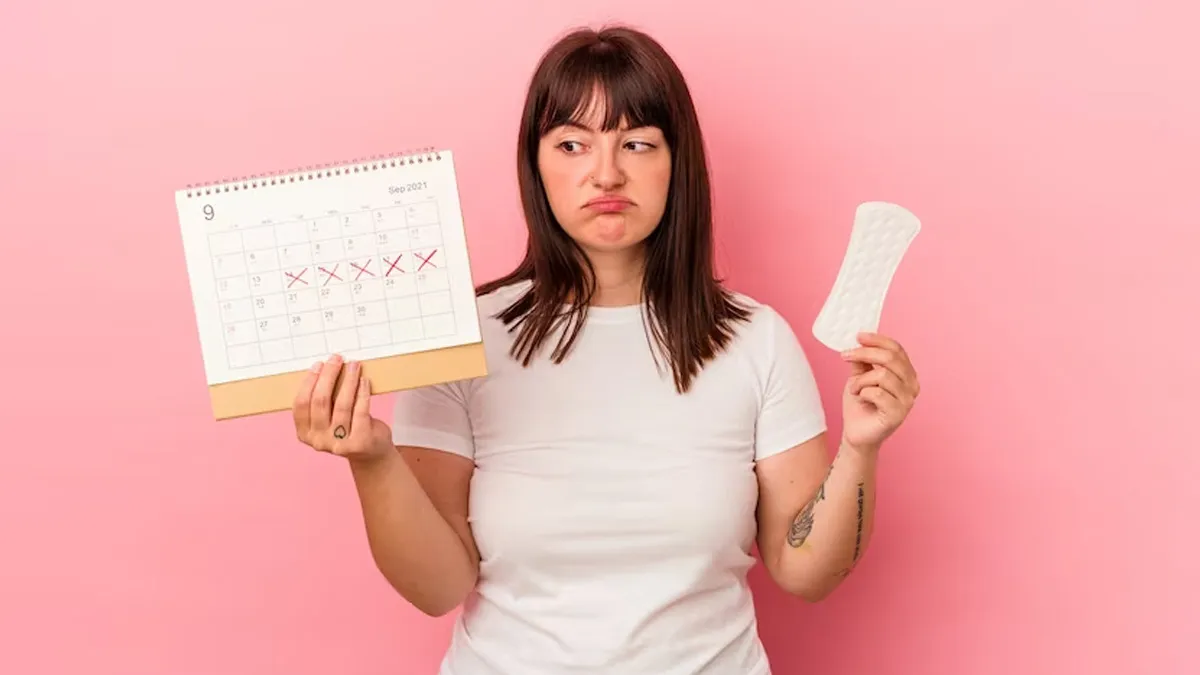
Another important point Dr. Jain highlights, “Ovulation may resume earlier than the menstrual cycle. Hence, contraception is needed right after one and a half to two months post-delivery.” So even if your period hasn’t come back, you can get pregnant again.
How Long Does It Usually Take for Periods to Return?
Dr. Jain explains that the timeline can range from 6–8 weeks to as long as a year. The pattern differs based on:
- Breastfeeding frequency
- Hormonal balance
- Body recovery
- Individual metabolism
When the cycle finally returns, the first few periods may feel different:
- Flow may be heavier or lighter
- Cycles may be irregular for a few months
- Some women may experience more cramps or clots
- This happens because the reproductive system needs time to reset after pregnancy.
Dr. Jain notes, “It takes some months for the hypothalamic-pituitary axis to set to the new rhythm.”
ALSO READ- Chinese Food On Period Days: Comfort or Discomfort? We Asked An Expert
Should You Worry If Your Period Has Not Returned?
- Most of the time, there is no need to panic, especially if you are breastfeeding.
- But Dr. Jain points out two situations where medical help is important:
1. Possibility of Another Pregnancy
- “If the mother is breastfeeding and has been sexually active without contraception, pregnancy should always be ruled out.”
- Even without periods, ovulation might have taken place.
2. Persistently Irregular or Highly Delayed Periods
In such cases, doctors usually check for:
- Thyroid problems
- Other hormonal imbalances
- Postpartum complications
Seek help if:
- Periods do not resume even after stopping breastfeeding
- Flow is unusually heavy
- Cycles are extremely irregular for many months
- You experience pain, dizziness, or weakness
What New Mothers Should Keep in Mind
Here are a few simple takeaways from Dr. Jain’s guidance:
- Every woman’s postpartum cycle is different.
- Breastfeeding delays periods, sometimes up to a year.
- Use contraception even before your first period—ovulation can return earlier.
- The first few cycles may feel different from your pre-pregnancy pattern.
- See a gynaecologist if your period delay feels unusual or symptoms are worrying.
A study published in Obstetrics & Gynecology found that breastfeeding significantly delays the return of ovulation because of the effect of prolactin on reproductive hormones. This supports why women who exclusively breastfeed often experience later periods postpartum.
ALSO READ- Is It Safe to Have Unprotected Sex After Your Period? What You Need to Know
Conclusion
Postpartum periods are unique for every woman, and there’s no “normal” that fits everyone. Your hormones, breastfeeding pattern, and overall recovery all shape when your cycle returns. What matters is staying informed, using contraception if you’re sexually active, and reaching out to a gynaecologist whenever something feels off. With the right guidance, you can navigate this phase with more clarity and less stress.
Also watch this video
How we keep this article up to date:
We work with experts and keep a close eye on the latest in health and wellness. Whenever there is a new research or helpful information, we update our articles with accurate and useful advice.
Current Version
Dec 09, 2025 09:43 IST
Published By : Vivek Kumar